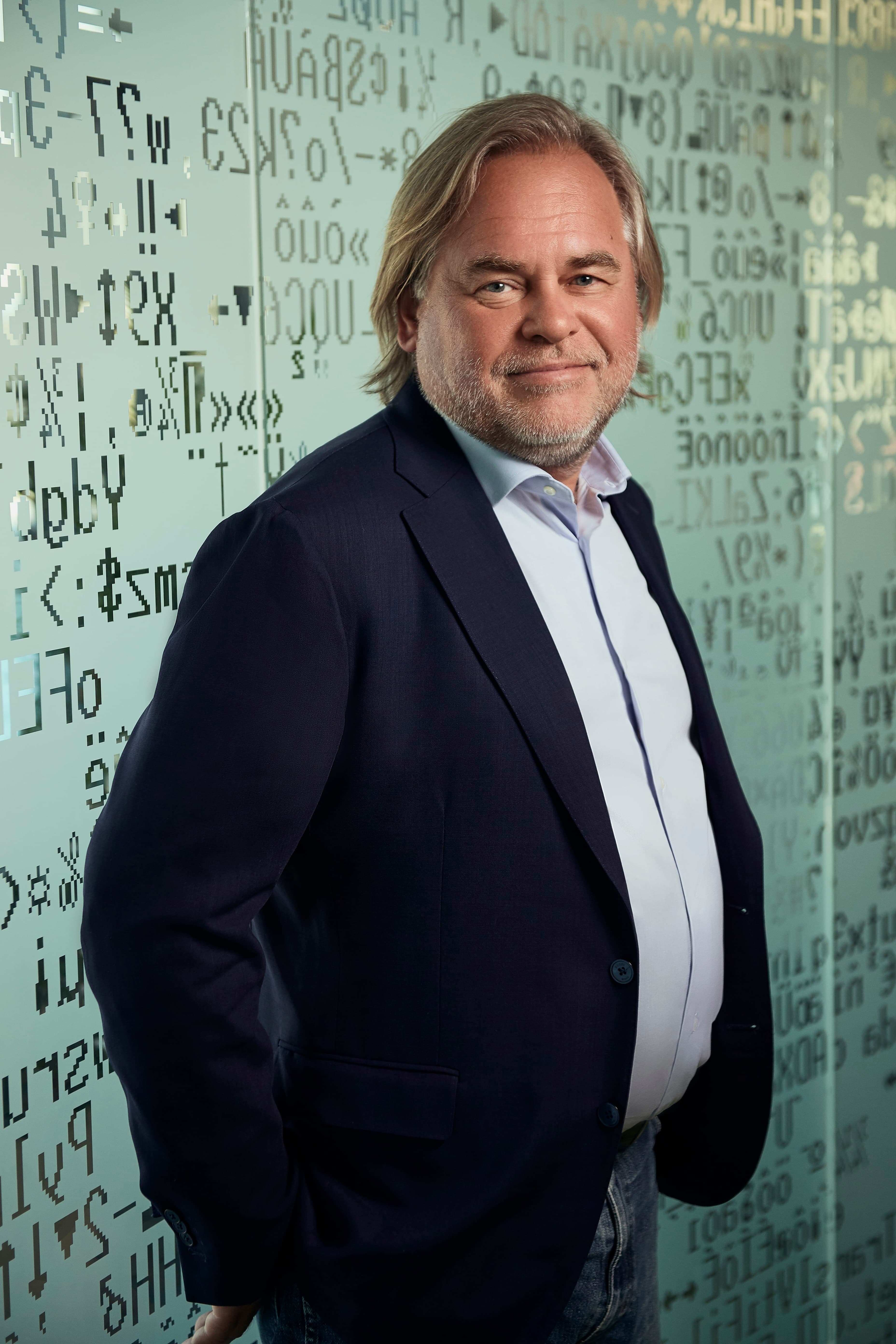
Eugene Kaspersky
Russian cybersecurity expert (born 1965)
- Life
- 1965 – present
- Born
- October 4, 1965
- Nationality
- Russia
Yevgeny Valentinovich Kaspersky is a Russian cybersecurity expert who is the co-founder and the CEO of Kaspersky Lab, an IT security company with 4,000 employees. He was a cryptologist and officer in the Soviet army until leaving the service in 1991. He co-founded Kaspersky Lab in 1997 and helped identify instances of government-sponsored cyberwarfare as the head of research. He has been an advocate for an international treaty prohibiting cyberwarfare.
Early Life
Born on 4 October 1965 in Novorossiysk, Soviet Union, Eugene Kaspersky moved to the Moscow area at age nine. His father was an engineer and his mother a historical archivist. From an early age he showed a strong aptitude for mathematics, spending free time reading math books and winning second place in a math competition at age 14. At fourteen he began attending the A.N. Kolmogorov boarding school, run by Moscow University and specializing in mathematics.
At sixteen, Kaspersky entered a five-year program at The Technical Faculty of the KGB Higher School, an institution that prepared intelligence officers for the Russian military and KGB. He graduated in 1987 with a degree in mathematical engineering and computer technology. Following graduation, he served the Soviet military intelligence service as a software engineer. He met his first wife, Natalya Kaspersky, in 1987 at Severskoye, a KGB vacation resort.
Career
Kaspersky's interest in IT security began in 1989 when his work computer, used while employed at the Ministry of Defence, was infected by the Cascade virus. He studied the virus's behavior and developed a program to remove it, subsequently making antivirus research a personal pursuit. In 1991, he was granted an early release from military service and joined the Information Technology Center of a private company called KAMI, where he could work on his antivirus product full time. He and his colleagues released the software commercially as Antiviral Toolkit Pro in 1992.
In 1994, Hamburg University awarded Kaspersky's software first place in a competitive analysis of antivirus programs, significantly expanding the product's reach into European and American markets. Kaspersky Lab was co-founded in 1997 by Kaspersky, his wife Natalya, and colleague Alexey De-Monderik. Natalya served as CEO while Eugene led research. The following year, the CIH virus — also known as the Chernobyl virus — drove demand for their products, which Kaspersky claimed was the only software capable of removing it at the time. From 1998 to 2000, the company's annual revenue grew 280 percent, and by 2000 nearly sixty percent of revenues were international. The antivirus product was renamed Kaspersky Antivirus in 2000.
Notable Work
As head of research, Kaspersky authored papers on viruses, spoke at industry conferences, and helped establish the company's Global Research and Expert Analysis Team (GReAT). He hired the researcher who identified the Stuxnet worm, widely regarded as the first known state-sponsored cyberweapon. At the request of the International Telecommunication Union, the company subsequently exposed the Flame virus, believed to have been used for cyber-espionage in Middle Eastern countries.
In 2015, Kaspersky Lab uncovered Carbanak, a hacker group stealing money from banks, and exposed the Equation Group, which had developed advanced spyware believed to be affiliated with the U.S. National Security Agency. Kaspersky became CEO of Kaspersky Lab in 2007 and has remained in that role. In 2013 the company reported revenues of $667 million, growing to $721 million by 2023. As of the time of writing, the company employs approximately 4,000 people.
Kaspersky is also co-author of several patents, including one for a constraint-and-attribute-based security system for controlling software component interaction. He has been an outspoken opponent of patent trolls, publicly calling them "parasites" and "IT racketeers," and Kaspersky Lab has taken an unusually aggressive legal stance against non-practicing entities asserting frivolous patent claims.
Views and Advocacy
Kaspersky has been a consistent advocate for an international treaty prohibiting government-sponsored cyberattacks. Following the Stuxnet incident, he proposed greater regulation of the internet, including a tiered system of zones requiring varying levels of user identification, and the use of special proxies to protect anonymity while enabling disclosure of identity in cases of suspected malicious activity. These views have drawn both attention and criticism, with some security experts and journalists characterizing them as aligned with Russian government positions on internet governance.
In 2012, Foreign Policy magazine ranked him 40th in its Top 100 Global Thinkers list.
Recognition
Kaspersky has received the National Friendship Award of China and the CEO of the Year award from SC Magazine Europe. In 2017, Forbes ranked him 1,567th on its Billionaires List with a net worth of approximately $1.3 billion, having first appeared on the list in 2015 when his net worth reached $1 billion.
Controversies
Kaspersky's background — including his education at a KGB-affiliated institution and his service as a Soviet military cryptologist — has generated sustained scrutiny regarding potential ties to Russian intelligence. The U.S. Department of Homeland Security banned Kaspersky's antivirus software from federal networks in 2017, citing alleged connections to Russian intelligence services, allegations Kaspersky has consistently denied. In June 2024, following further U.S. sanctions, Kaspersky Lab withdrew from the American market entirely. Kaspersky is also named in the Countering America's Adversaries Through Sanctions Act (CAATSA), signed into law in 2017. Separately, former employees alleged in 2015 that the company had introduced manipulated files into shared antivirus databases to cause competitors' software to generate false positives, allegations the company denied.
§Related entries

Alec Muffett
Software engineer, security expert (born 1968)
1968 – present · United States
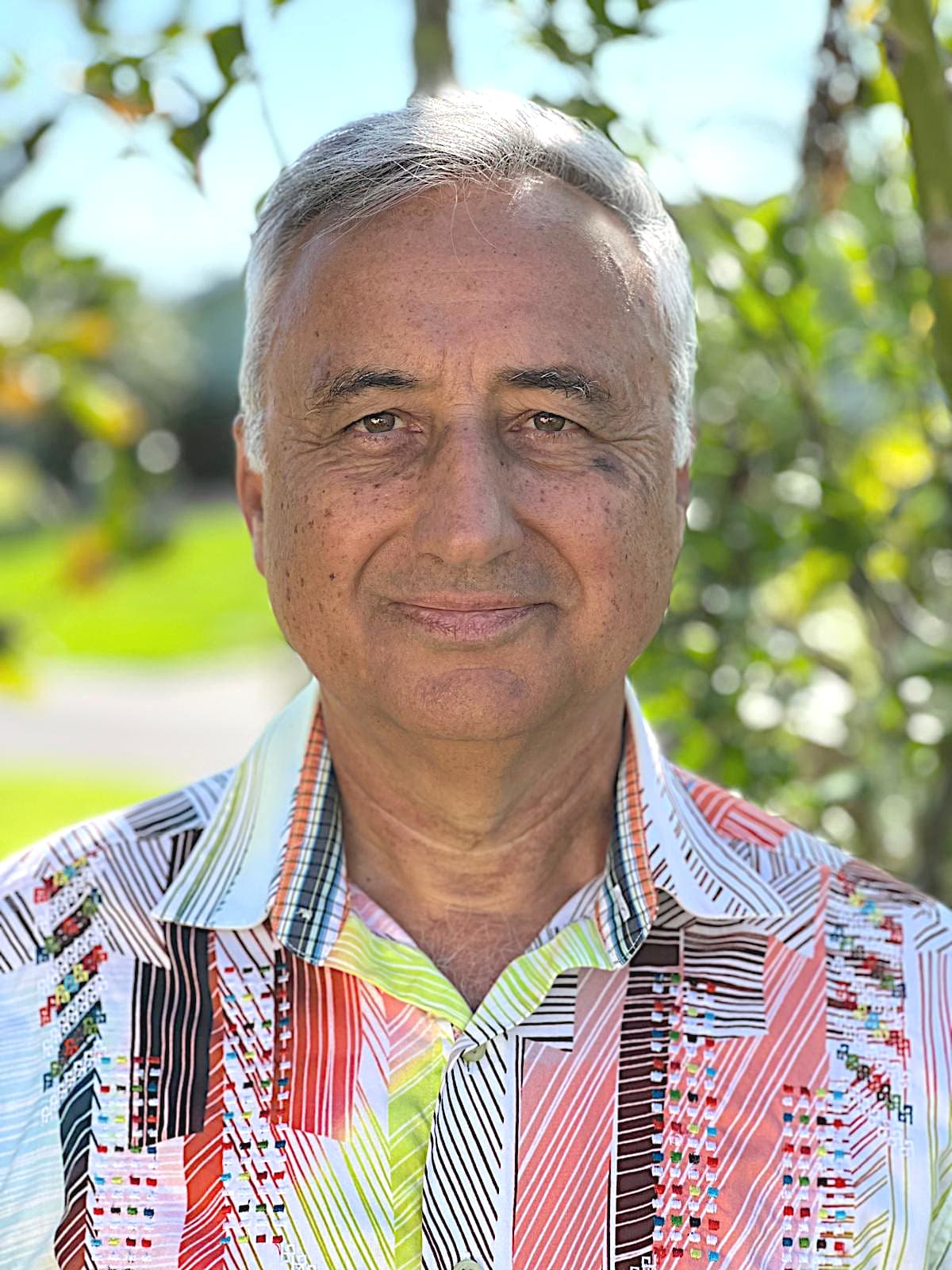
Boris Loza
International computer security expert (born 1960)
1960 – present
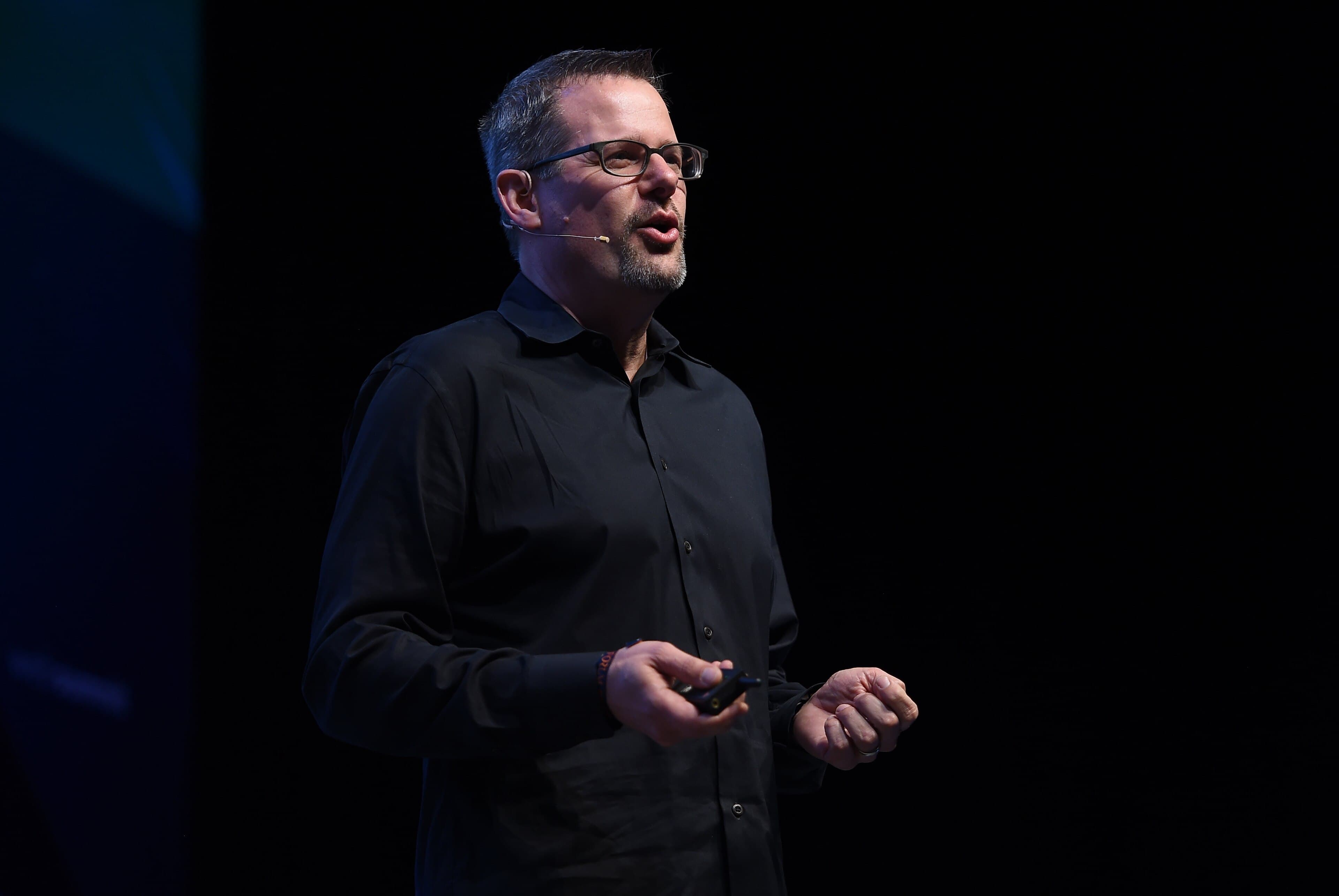
Chris Wysopal
American computer security expert (born 1965)
1965 – present · United States
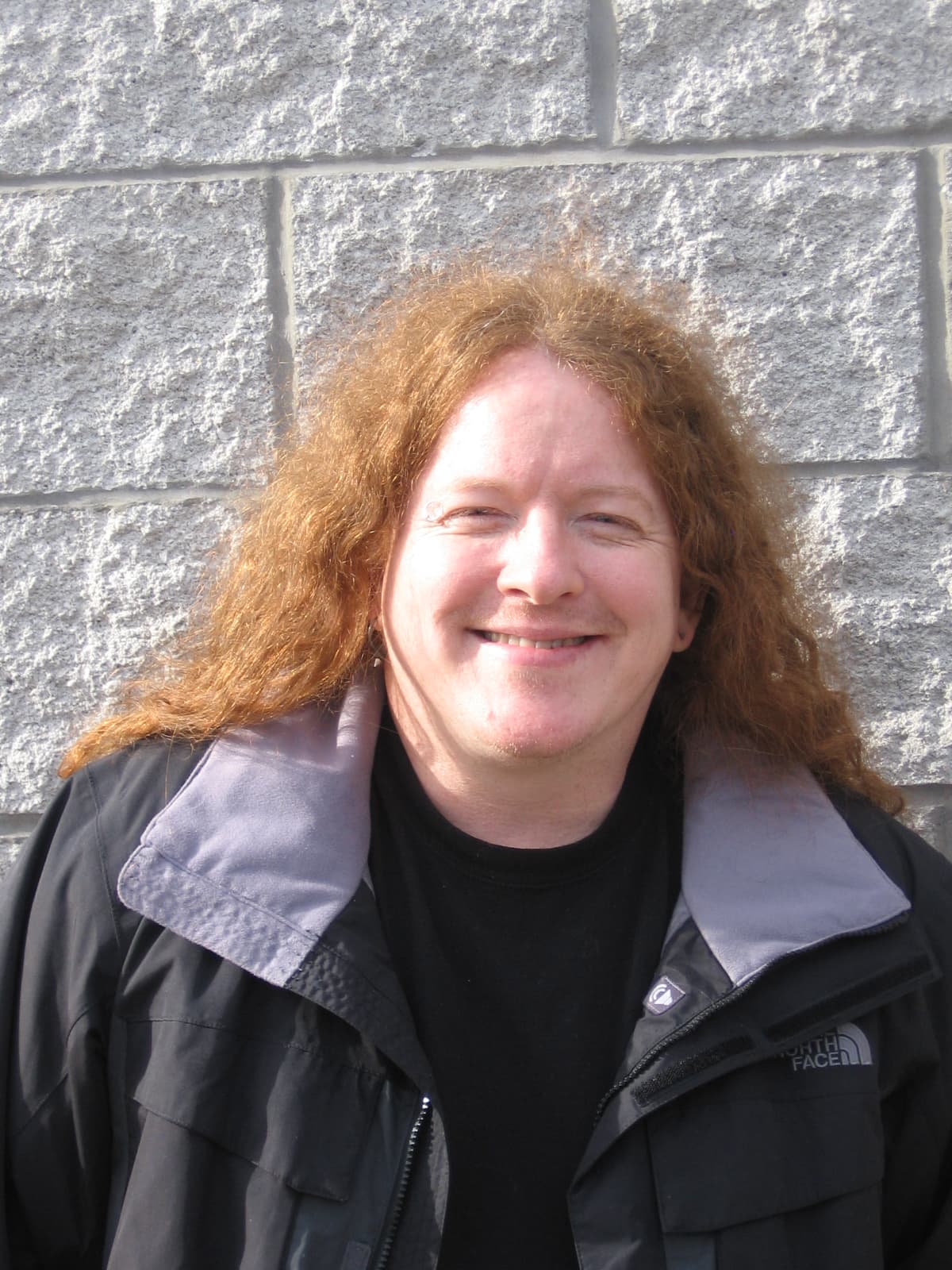
Dan Farmer
American computer security researcher and programmer
1962 – present · United States