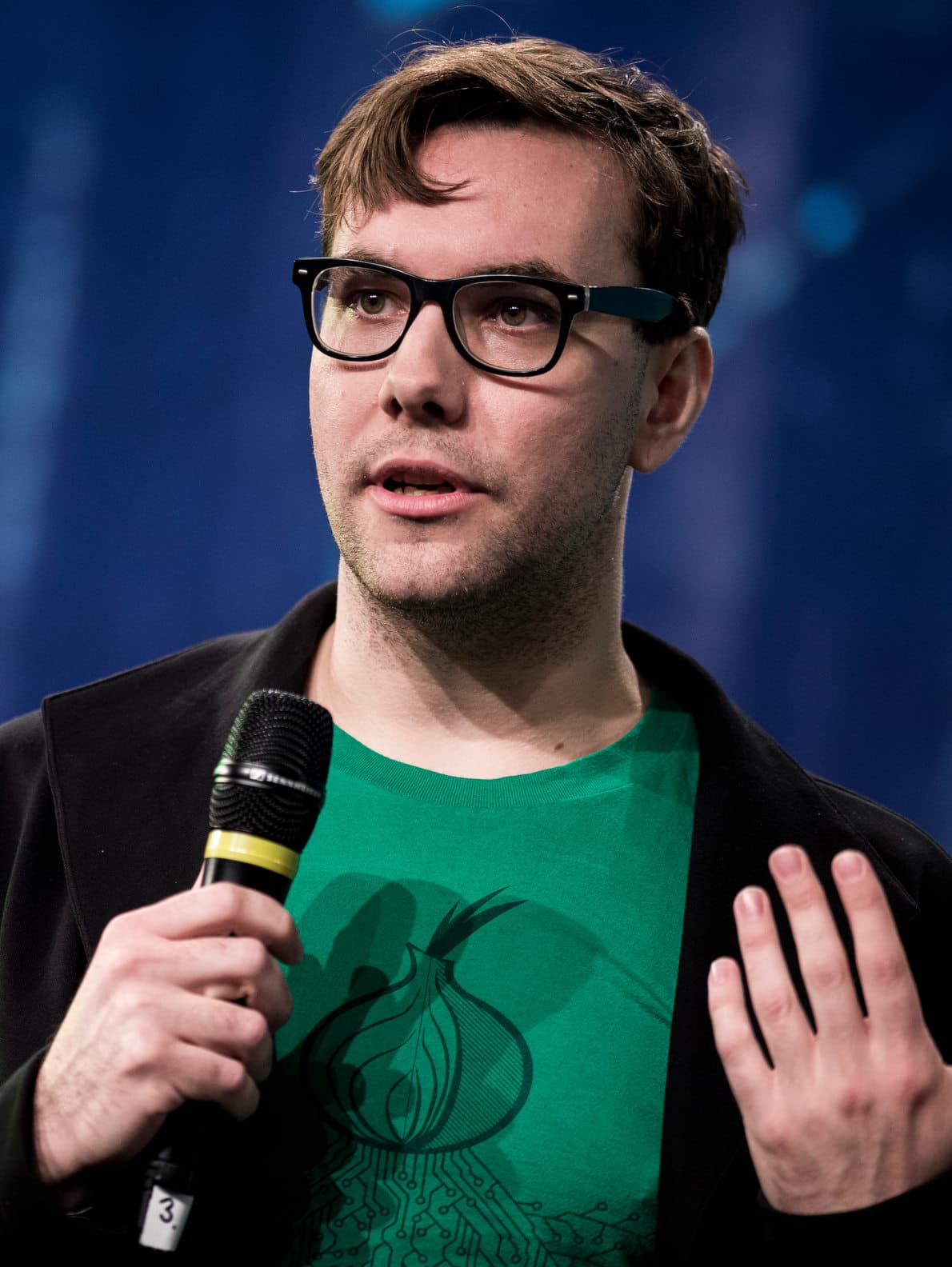
Jacob Appelbaum
American computer security researcher (born 1983)
- Life
- 1983 – present
- Born
- April 1, 1983
- Nationality
- United States
Jacob Appelbaum is an American independent journalist, computer security researcher, and hacker. Appelbaum, who earned his PhD from the Eindhoven University of Technology, first became notable for his work as a core member of the Tor Project, a free software network designed to provide online anonymity. Appelbaum collaborated with WikiLeaks and made journalistic contributions at Der Spiegel based on the NSA documents leaked by Edward Snowden that brought him widespread recogn
Early Life
Born on April 1, 1983, Appelbaum grew up under difficult circumstances. He has described his mother as a paranoid schizophrenic and was taken from her care by his aunt at age six. Two years later he was placed in a children's home in Sonoma County, California. At age ten, custody was awarded to his father, who struggled with heroin addiction and was later, according to Appelbaum, murdered by poisoning. Appelbaum has credited an introduction to computer programming, facilitated by a friend's father, as a turning point that he says saved his life. He tested out of high school and attended junior college briefly before pursuing self-directed education. He has also stated that he developed OCD at a young age.
In a 2010 interview with Rolling Stone, Appelbaum described his family background in stark terms, characterizing his relatives as "actual, raving lunatics."
Education
Beginning in 2015, Appelbaum pursued doctoral studies at the Eindhoven University of Technology in the Netherlands. He received his Ph.D. in March 2022; his dissertation was published under the title Communication in a World of Pervasive Surveillance.
Career
Security Research and Hacking
Appelbaum became a core member of the Tor Project, a free software network designed to provide online anonymity. Under the pseudonym "ioerror," he was an active member of the Cult of the Dead Cow hacker collective from 2008 to 2016. He co-founded the San Francisco hackerspace Noisebridge with Mitch Altman. He also served on the Technical Advisory Board of the Freedom of the Press Foundation.
Appelbaum collaborated on several significant research projects, including the cold boot attack — which won the USENIX Security Best Student Paper award and the Pwnie Award for Most Innovative Research — and the MD5 collision attack, which used a cluster of 200 Sony PlayStation 3 systems to create two valid SSL certificates containing an MD5 collision. He also co-founded the Open Observatory of Network Interference (OONI) with Arturo Filastò to document network surveillance and censorship. Additional research included the presentation of smart parking meter vulnerabilities at Black Hat 2008 and an analysis of Apple's FileVault encryption system presented at the 23rd Chaos Communication Congress in 2006.
Prior to his security research prominence, Appelbaum worked for Kink.com and Greenpeace, and volunteered for the Ruckus Society and the Rainforest Action Network.
Journalism
In 2013, Appelbaum was among a small group of journalists with direct access to NSA documents leaked by former contractor Edward Snowden. Working with Der Spiegel, he contributed to reporting that revealed U.S. surveillance of German Chancellor Angela Merkel's personal cell phone, surveillance of United Nations diplomats, and the use of the U.S. Embassy in Berlin as a base for electronic intelligence operations. The reporting prompted a significant diplomatic rift between Germany and the United States, with Merkel publicly comparing the NSA to the East German Stasi.
At the 28th Chaos Communication Congress in December 2013, Appelbaum presented documents showing NSA capabilities to convert iPhones into eavesdropping tools and to harvest data from offline computers. He was also part of the Der Spiegel team that published findings on the NSA ANT catalog of surveillance devices. In July 2014, he contributed to disclosures about the NSA's XKeyscore surveillance software, including source code indicating that his own computer had been targeted.
Appelbaum is a contributor to Julian Assange's 2012 book Cypherpunks: Freedom and the Future of the Internet, alongside Andy Müller-Maguhn and Jérémie Zimmermann. He stood in for Assange at computer security and hacker forums when Assange could no longer travel to the United States.
Art
Appelbaum participated in art projects with dissident artists including Laura Poitras, Trevor Paglen, Ai Weiwei, and Angela Richter. He appeared in Poitras's Academy Award-winning documentary Citizenfour (2014) and in her portrait of Julian Assange, Risk (2016). He held an artist residency with the art group monochrom at Museumsquartier in 2006 and exhibited photography in a solo show at NOME in 2016.
Recognition
In 2014, Appelbaum shared the Henri Nannen Prize — described as the German equivalent of the Pulitzer Prize — for investigative journalism, awarded for the Der Spiegel team's reporting on U.S. surveillance of Angela Merkel. He shared the prize with Marcel Rosenbach, Jörg Schindler, and Holger Stark. Shortly after accepting the award, he publicly condemned the prize's namesake for Nazi collaboration and announced he would have his bronze bust melted down and donate his prize money to anti-fascist groups.
Surveillance and Government Scrutiny
Appelbaum has stated that he believes he has been under U.S. government surveillance since 2009. In 2010, the U.S. Department of Justice obtained a court order compelling Twitter to provide data from accounts associated with Appelbaum and others linked to WikiLeaks. In 2015, it was revealed that Google had been compelled to turn over information from his Gmail account. In 2019, he stated that he had been contacted by Alexandria prosecutors about cooperating with the WikiLeaks grand jury in exchange for immunity, which he refused.
Allegations and Controversy
In 2016, Appelbaum became the subject of allegations of sexual misconduct and assault. No formal charges were filed. Around June 2016, he stepped down or was asked to leave numerous organizations, including the Tor Project, which conducted an external investigation and concluded that the allegations appeared to be true. The Cult of the Dead Cow ejected him, and the Freedom of the Press Foundation removed him from its advisory board. Appelbaum denied the allegations.
The German weekly Die Zeit published an investigation that found inconsistencies in some of the claims, and a group of female lawyers, activists, and journalists who had worked with Appelbaum launched an online appeal raising concerns about due process and trial by social media.
In 2024, the documentary Nobody Wants to Talk About Jacob Appelbaum, directed and produced by Jamie Kastner, was released on Apple TV. The film examined the allegations, Appelbaum's account of events, his life in Berlin, and the pressure he faced from the U.S. Department of Justice in connection with the prosecution of Julian Assange.
Personal Life
Appelbaum relocated to Berlin in 2012 and has stated that he does not wish to return to the United States. He has described living in Germany as providing relief from U.S. surveillance. He identifies as an atheist of Jewish background, is queer, and describes his political views as anarchist.
§Related entries
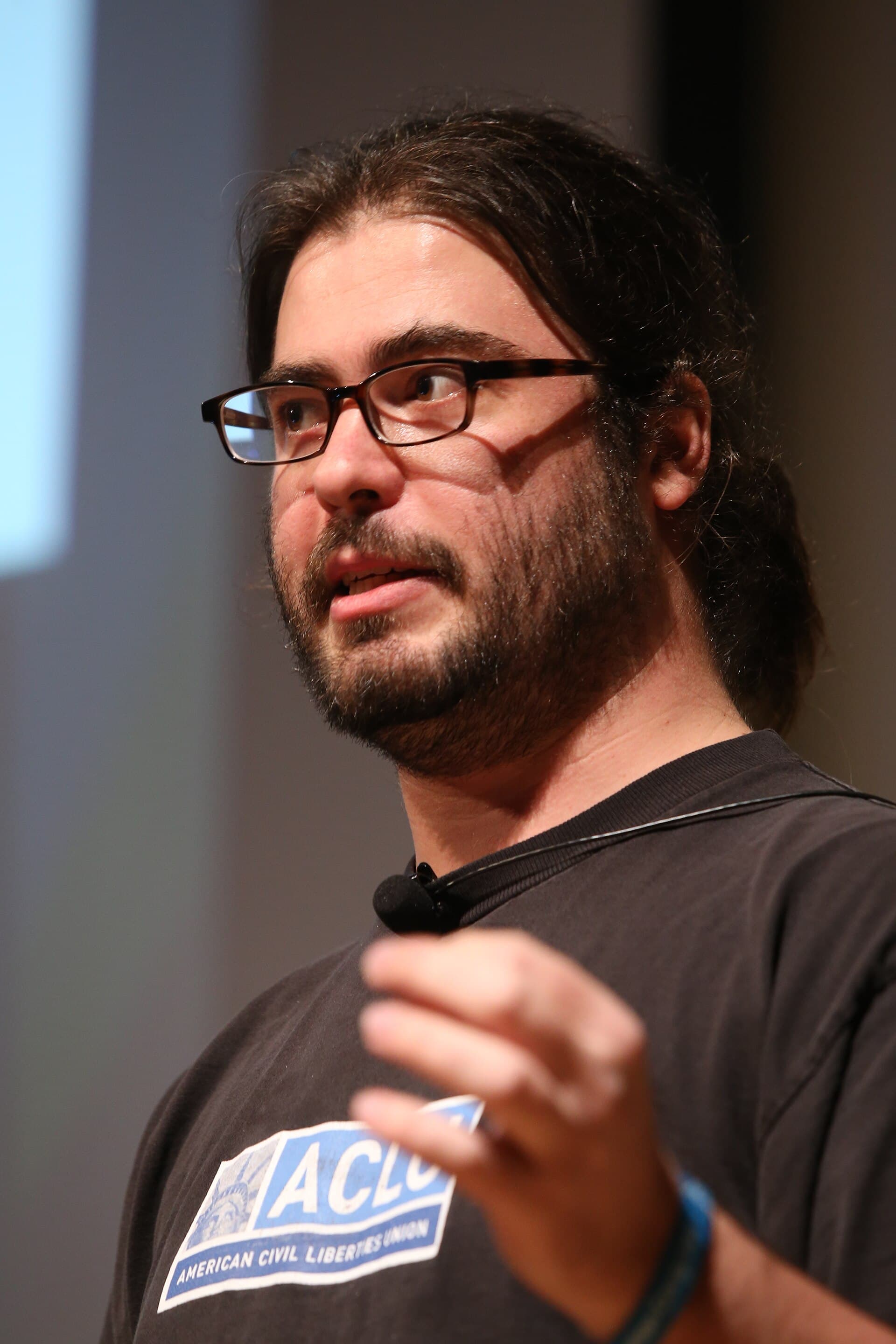
Christopher Soghoian
American computer scientist (born 1981)
1981 – present · United States
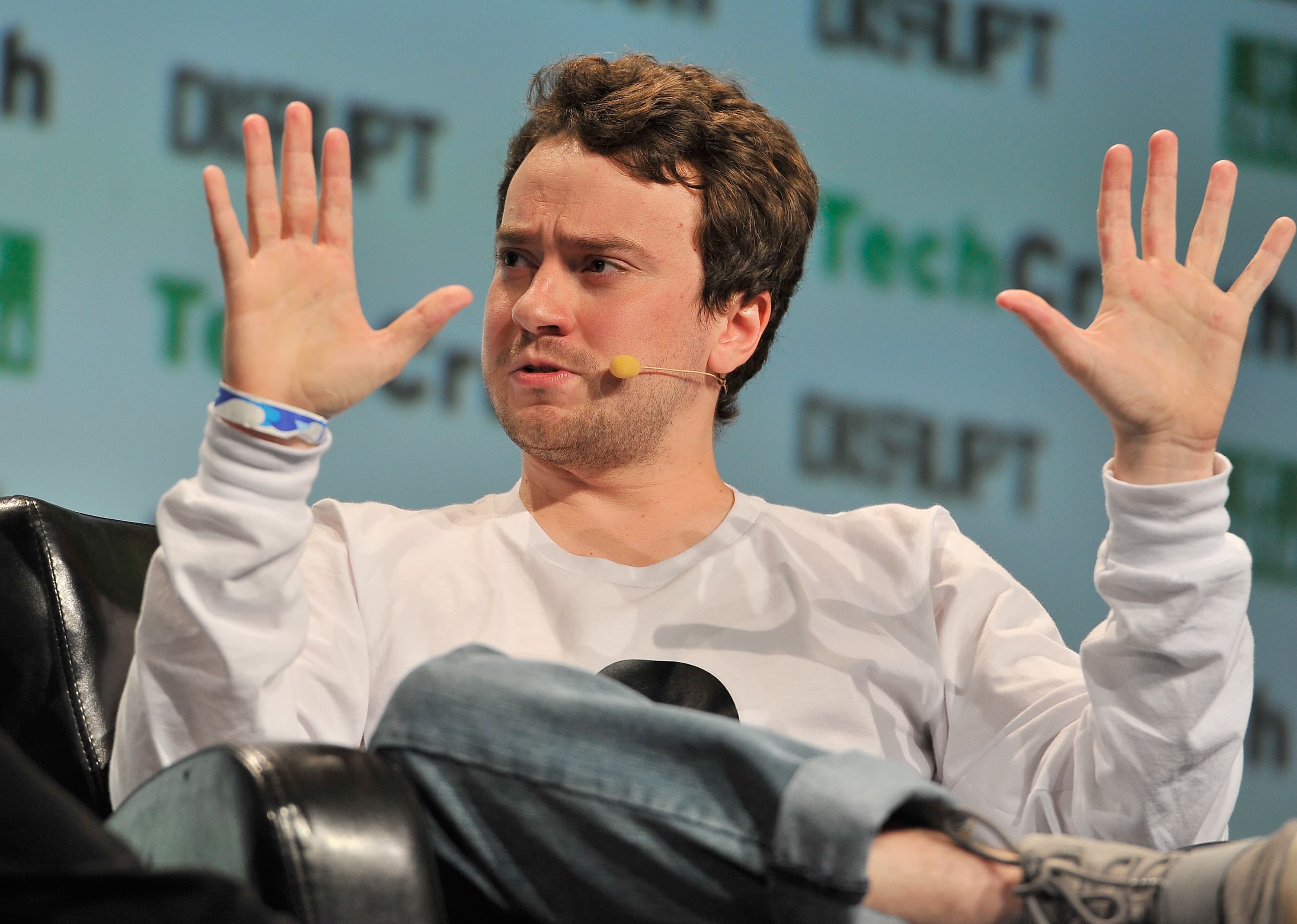
George Hotz
American software engineer
1989 – present · United States
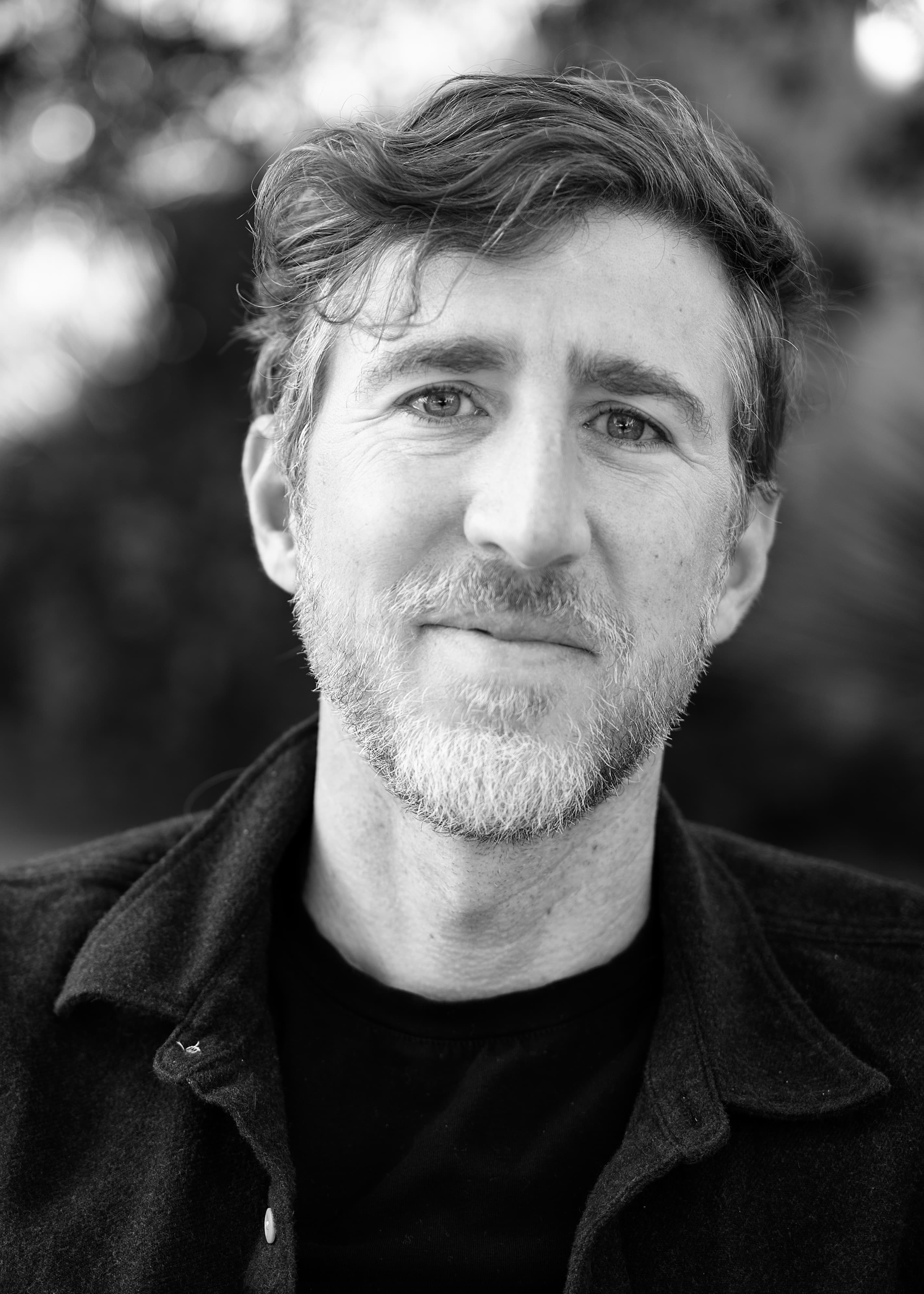
Moxie Marlinspike
American entrepreneur
1980 – present · United States
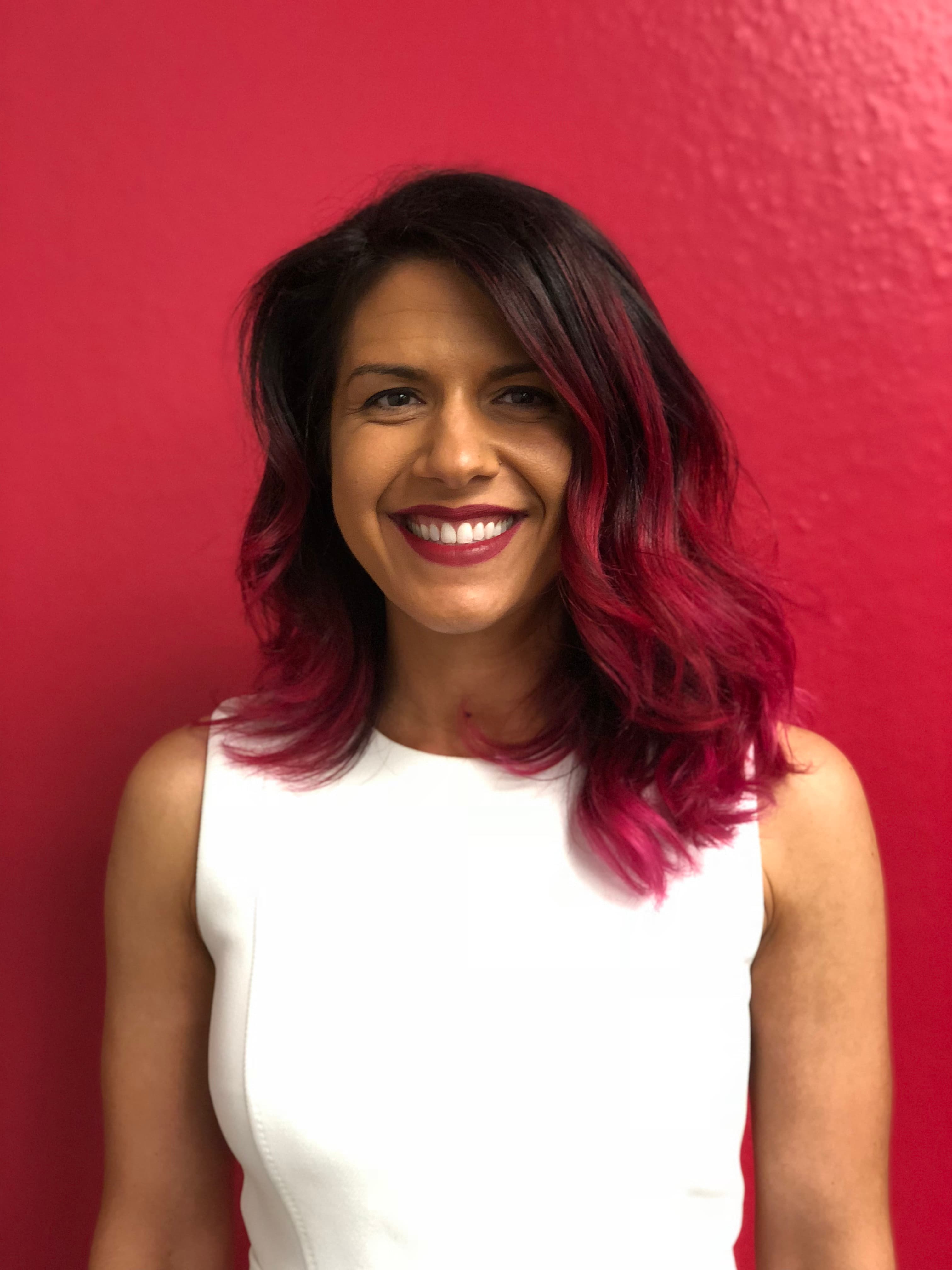
Parisa Tabriz
American computer security expert (born 1983)
1983 – present · United States