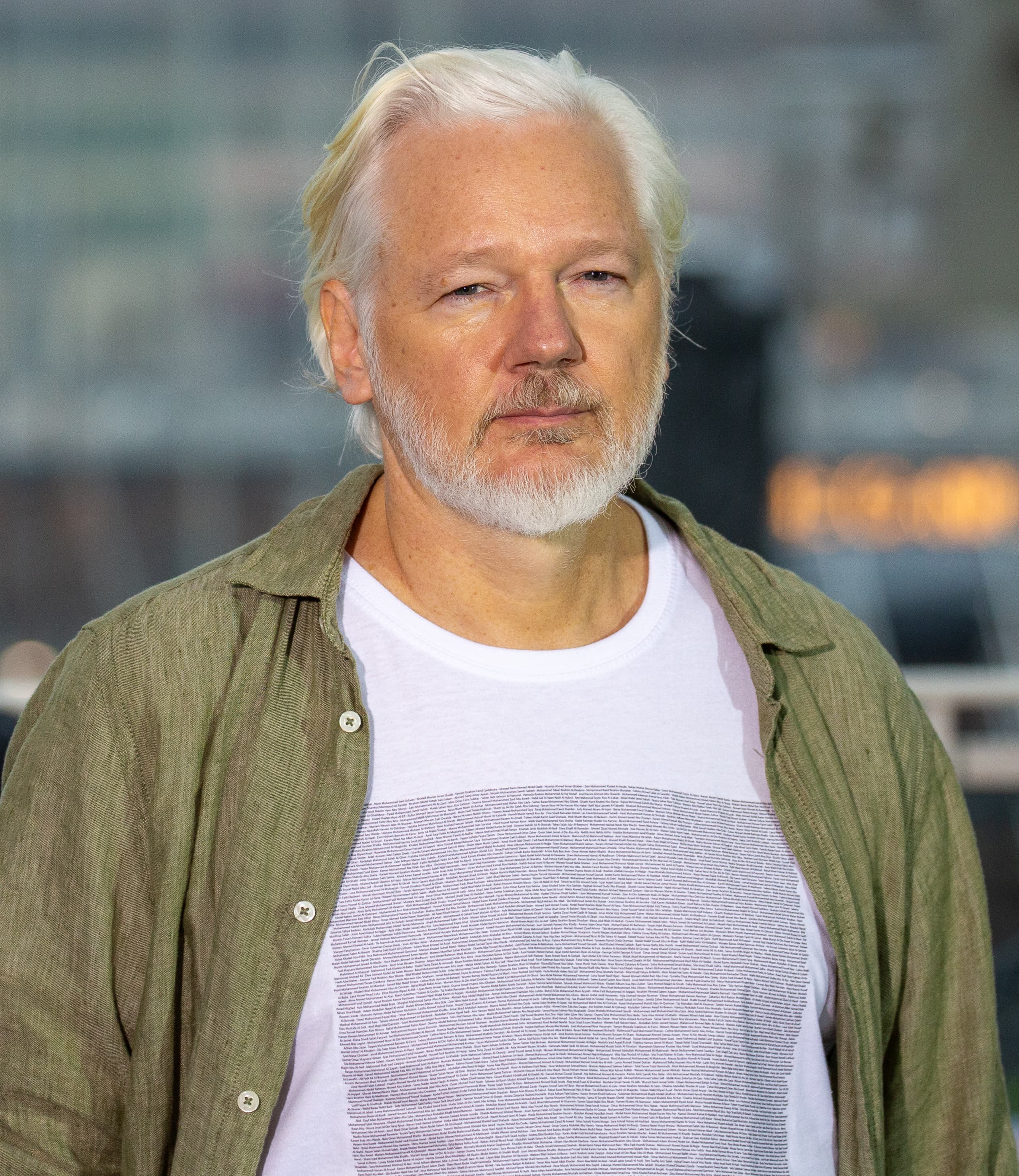
Julian Assange
Australian editor of WikiLeaks (born 1971)
- Life
- 1971 – present
- Born
- July 3, 1971
- Nationality
- Australia
Julian Paul Assange is an Australian editor, programmer, and publisher who founded WikiLeaks in 2006. He came to international attention in 2010 after WikiLeaks published a series of leaks from Chelsea Manning, a United States Army intelligence analyst: footage of a U.S. airstrike in Baghdad showing war crimes committed by the U.S. Army, U.S. military logs from the Afghanistan and Iraq wars, and U.S. diplomatic cables. Assange has won over two dozen awards for publishing and
Early Life
Born Julian Paul Hawkins on 3 July 1971 in Townsville, Queensland, Assange is the son of Christine Ann Hawkins, a visual artist, and John Shipton, an anti-war activist and builder, who separated before his birth. When Assange was approximately one year old, his mother married Brett Assange, an actor with whom she ran a small theatre company; Julian adopted the Assange surname and regards Brett as his father. His mother's subsequent relationship with Leif Meynell — whom Assange later described as a member of an Australian cult called The Family — ended in 1982.
Assange lived in more than thirty Australian towns and cities during childhood, attending several schools including Goolmangar Primary School in New South Wales and Townsville State High School in Queensland, as well as receiving home schooling. In his mid-teens he settled with his mother and half-brother in Melbourne. He later studied programming, mathematics, and physics at Central Queensland University and the University of Melbourne but did not complete a degree. He is credited with starting the Puzzle Hunt tradition at the University of Melbourne, modeled after the MIT Mystery Hunt.
Hacking and Early Career
By 1987, at age 16, Assange had become an active hacker operating under the handle Mendax, derived from the Horace phrase splendide mendax. He adopted a self-imposed ethical code: he did not damage or destroy systems or data and shared information freely. In 1988 he used social engineering to obtain passwords to Australia's Overseas Telecommunications Commission mainframes. Together with two others known as Trax and Prime Suspect, he formed a group called the International Subversives, which targeted systems belonging to prominent U.S. military and industrial organizations. The Sydney Morning Herald later described him as one of Australia's most notorious hackers, and The Guardian noted that by 1991 he was considered probably Australia's most accomplished hacker.
In mid-1991 the International Subversives began targeting MILNET, a U.S. military data network. In September 1991, Australian Federal Police discovered Assange hacking into the Melbourne master terminal of Nortel as part of Operation Weather. His home was raided and his phone line tapped. Charged in 1994 with 31 counts of hacking-related offenses, Assange pleaded guilty in December 1996 to 24 charges. Facing a theoretical maximum sentence of 290 years, he was instead fined A$2,100 and released on a A$5,000 good behaviour bond, with the judge citing his disrupted childhood and the absence of malicious or mercenary intent.
In 1993, separately, Assange provided technical assistance to the Victoria Police Child Exploitation Unit to help prosecute individuals involved in distributing child pornography, receiving no benefit for doing so.
Cypherpunks and Programming
Following his legal proceedings, Assange took over operation of Suburbia Public Access Network, one of Australia's first public internet service providers. He joined the cypherpunk mailing list in late 1993 or early 1994 and began authoring network and encryption programs, including the Rubberhose deniable encryption system and the Strobe port scanner. He moderated the AUCRYPTO forum, ran a computer security advice website with approximately 5,000 subscribers, and contributed research to Suelette Dreyfus's 1997 book Underground, which documented Australian hackers including the International Subversives. In 1998 he co-founded Earthmen Technology with Trax, a company focused on network intrusion detection technologies.
WikiLeaks
Assange co-founded WikiLeaks in 2006 alongside a group of dissidents, mathematicians, and activists. Serving as editor-in-chief, he oversaw the publication of internet censorship lists, classified media, and leaked documents from anonymous sources. Early notable publications included bank records from Bank Julius Baer, footage related to the 2008 Tibetan unrest, and a report on extrajudicial killings by Kenyan police produced in collaboration with the Sunday Times. The Kenya report earned Assange the 2009 Amnesty International New Media Award.
WikiLeaks gained major international attention in 2010 when it published classified material provided by U.S. Army intelligence analyst Chelsea Manning, including footage of a U.S. airstrike in Baghdad, military logs from the Afghanistan and Iraq wars, and a large cache of U.S. diplomatic cables. In 2017, WikiLeaks published documents detailing CIA hacking tools targeting smartphones and internet-connected devices.
During the 2016 U.S. presidential election campaign, WikiLeaks published confidential Democratic Party emails revealing that the party's national committee had favored Hillary Clinton over Bernie Sanders in the primaries.
Legal Proceedings and Detention
In November 2010, Sweden sought to question Assange in a separate police investigation and pursued extradition from the United Kingdom. In June 2012, Assange breached his bail conditions and took refuge in the Embassy of Ecuador in London, where he was granted asylum in August 2012 on grounds of political persecution. Swedish prosecutors dropped their investigation in 2019.
In 2013, while remaining in the embassy, Assange launched the WikiLeaks Party and stood unsuccessfully for the Australian Senate. On 11 April 2019, Ecuador withdrew his asylum following disputes with Ecuadorian authorities; Assange was arrested and subsequently found guilty of breaching the UK Bail Act, receiving a 50-week prison sentence. The U.S. government unsealed indictments charging him with conspiracy to commit computer intrusion and, later, violations of the Espionage Act of 1917. Critics characterized the Espionage Act charges as an unprecedented threat to press freedom. A key witness for the expanded indictment later stated in 2021 that he had fabricated his testimony.
Assange was held at HM Prison Belmarsh in London from April 2019 to June 2024 while extradition proceedings were contested in UK courts. The incoming Australian Labor government under Anthony Albanese lobbied for his release beginning in 2022.
Resolution
In 2024, following a High Court ruling granting Assange a full appeal against extradition, he and his legal team negotiated a plea deal with U.S. prosecutors. Assange pleaded guilty in Saipan, Northern Mariana Islands, to a single Espionage Act charge of conspiring to obtain and disclose classified national defense documents, in exchange for a sentence of time served. He flew to Australia following the hearing, arriving on 26 June 2024.
Recognition
Assange has received more than two dozen awards for publishing and journalism over the course of his career, including the 2009 Amnesty International New Media Award.
§Related entries
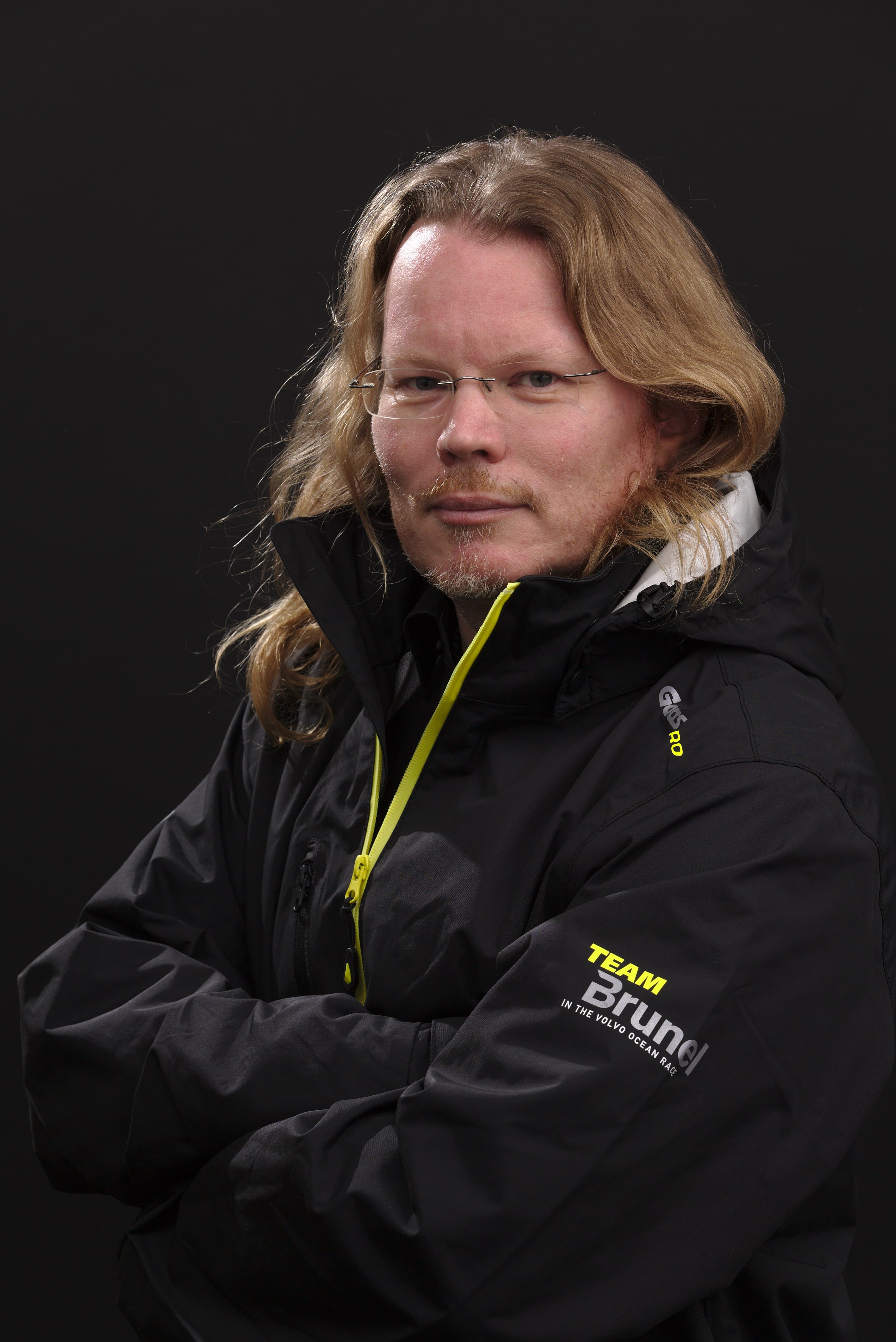
Arjen Kamphuis
Missing Dutch person
1972 – present
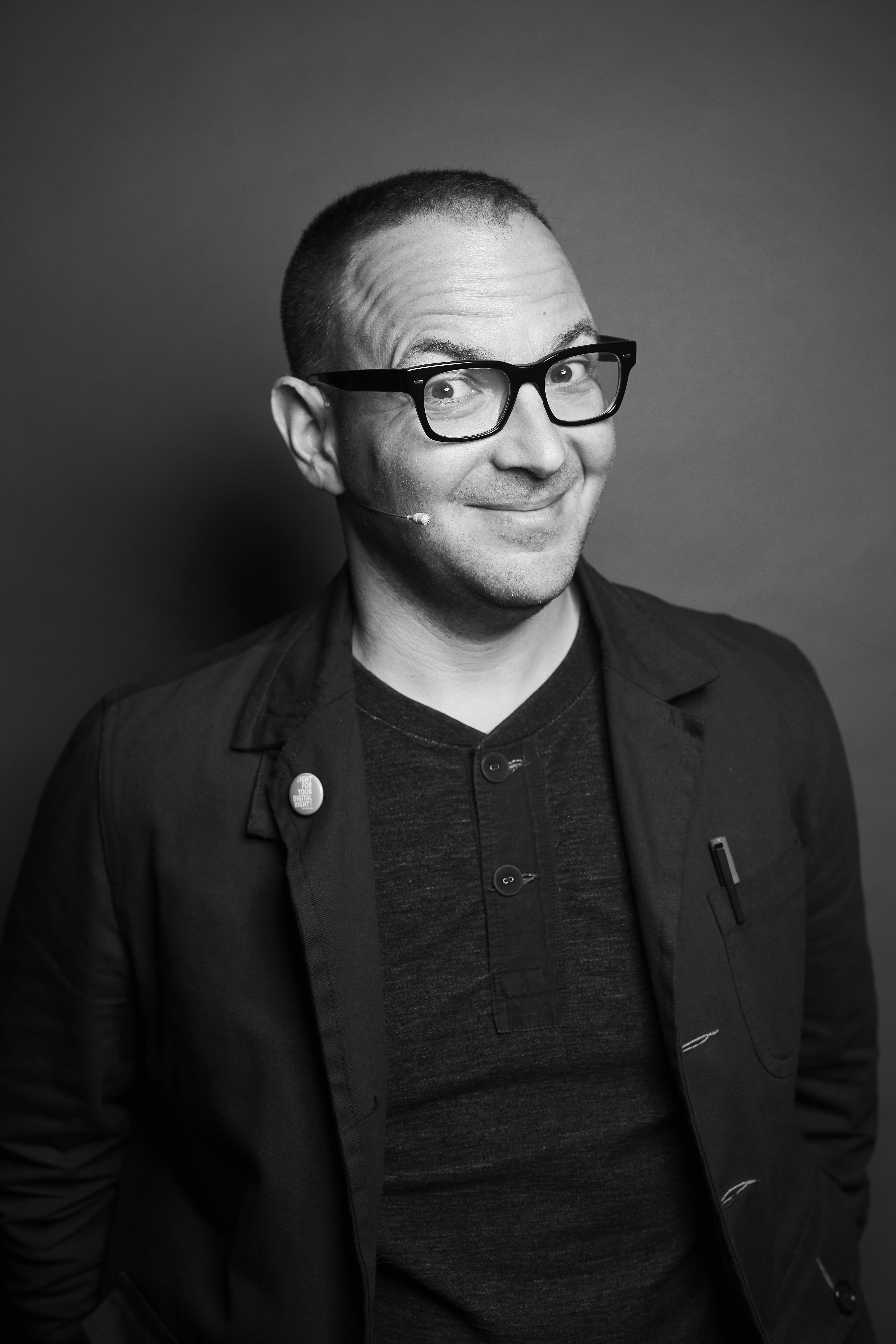
Cory Doctorow
Canadian-British writer (born 1971)
1971 – present · Canada
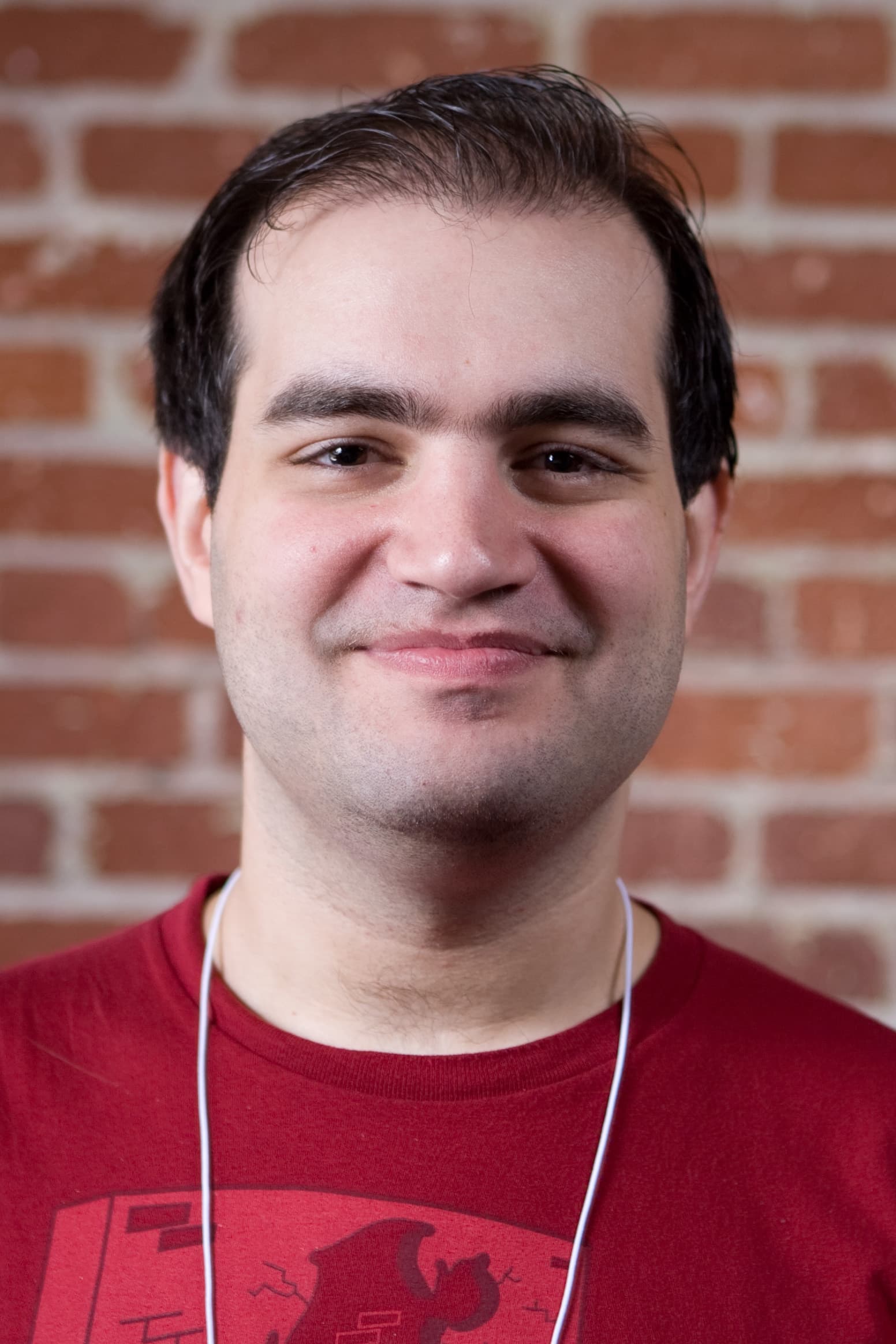
Dan Kaminsky
American computer security researcher (1979–2021)
1979 – 2021 · United States
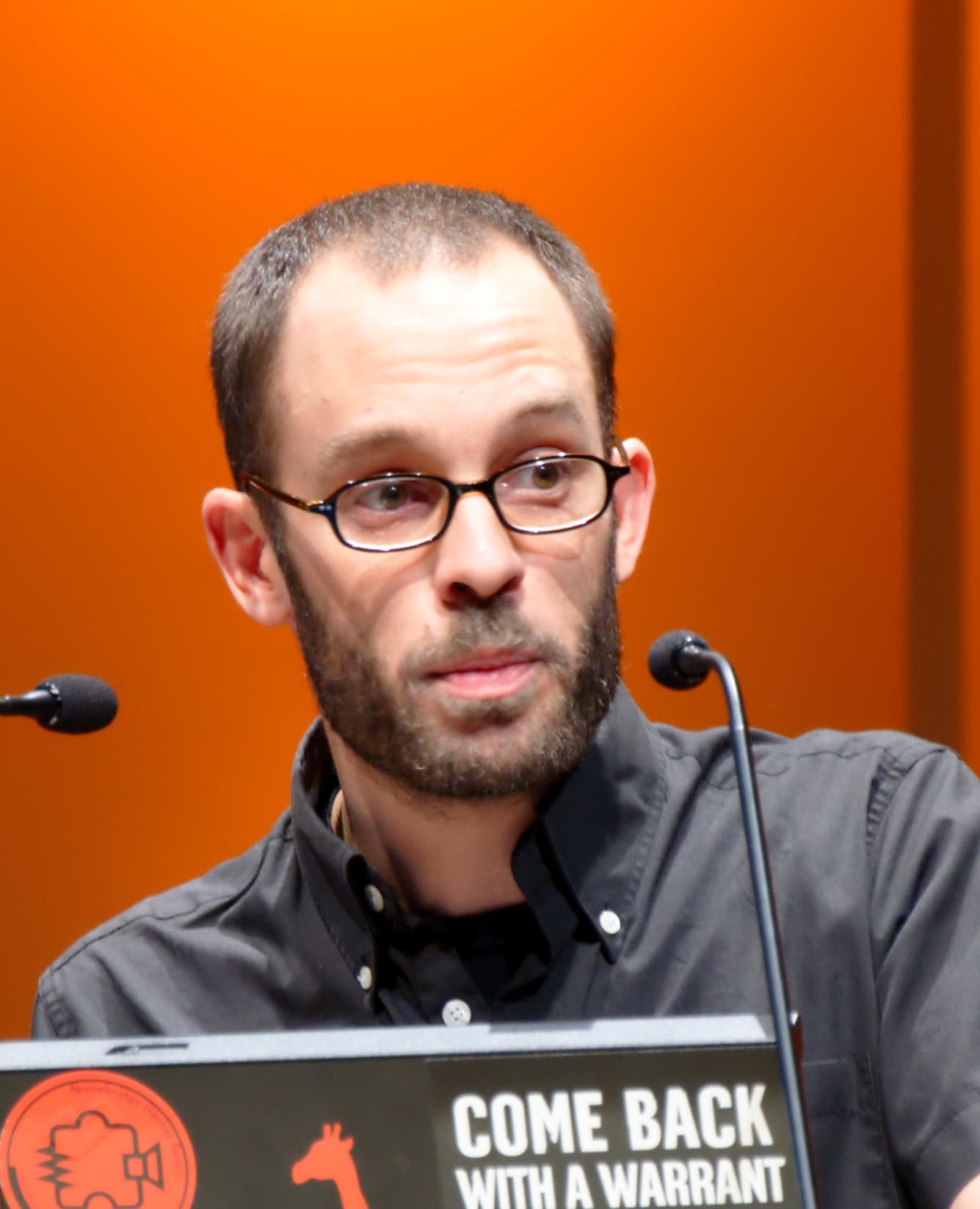
Daniel Domscheit-Berg
German activist (born 1978)
1978 – present · Germany
Dmytro Tymchuk
Ukrainian milblogger, lieutenant colonel and politician
1972 – 2019