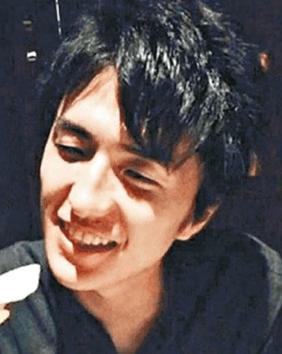
Junaid Hussain
ISIL propagandist and hacker (1994–2015)
- Life
- 1994 – 2015
- Born
- 1994
- Died
- 2015
- Nationality
- United Kingdom
Junaid Hussain was a British black hat hacker and propagandist under the nom de guerre of Abu Hussain al-Britani who supported the Islamic State (IS). Hussain, who was raised in Birmingham in a family originally from Pakistan, was jailed in 2012 for hacking Tony Blair's accounts and posting his personal information online. Hussain left the UK around 2013 for Syria.
Early Life and Background
Junaid Hussain was born around 1994 and raised in Birmingham, England, in a family originally from Pakistan. Little else is documented about his early personal life in available sources.
Hacking Career and TeaMp0isoN
Hussain became known in underground hacking circles under the handle TriCk, operating as a member of TeaMp0isoN, a hacking group that has since been disbanded. His most prominent early action came in 2012, when he was jailed for hacking accounts belonging to former British Prime Minister Tony Blair and posting Blair's personal information online. The conviction marked one of the more high-profile prosecutions tied to TeaMp0isoN's activities.
Radicalization and Departure to Syria
Around 2013, Hussain left the United Kingdom for Syria, where he aligned himself with the Islamic State. He adopted the nom de guerre Abu Hussain al-Britani and transitioned from conventional black hat hacking into a role combining cyberattacks with IS propaganda and recruitment efforts.
Cyber Caliphate Activities
Hussain became a key figure in a network of Islamist hackers operating under the name Cyber Caliphate. The group was involved in defacing French websites during the 2015 Île-de-France attacks and compromising the Twitter feeds of the U.S. Central Command, Newsweek, and the International Business Times. The Cyber Caliphate is also believed to have conducted a spearphishing campaign that exposed the identities of rebel media groups.
In March 2015, Hussain published a list of U.S. military personnel online, calling on IS followers to target the individuals named. The FBI assessed that the list had not been obtained through any breach of Department of Defense servers, as Hussain claimed, but was instead compiled from news articles, social media posts, and publicly available records.
Hussain was also in online contact with one of the gunmen involved in the Curtis Culwell Center attack in May 2015. Prior to the attack, one of the perpetrators publicly directed followers to Hussain's Twitter account. Following the shooting, Hussain posted a celebratory message online.
Personal Life in Syria
While in Syria, Hussain was married to Sally Jones, a fellow British national who had also joined the Islamic State. Jones was 45 at the time of Hussain's death. The couple had a young son, whom they reportedly used as a human shield to deter drone strikes.
Death
U.S. officials had placed Hussain third on the Pentagon's reported IS "kill list," behind Abu Bakr al-Baghdadi and Mohammed Emwazi, citing his role in inspiring lone-wolf terrorism internationally. An earlier drone strike attempt, approximately ten days before his death, missed Hussain and instead killed three civilians and injured five others.
According to U.S. government sources, Hussain was killed on 24 August 2015 in a drone strike on a car at a petrol station in Raqqa, Syria. He was 21 years old at the time. Reports indicated that his location was identified after he clicked on a compromised link sent by an undercover agent via the Surespot messaging application — on an occasion when he had left his son behind. Two bodyguards were also reported killed in the strike. Sally Jones initially denied his death through IS-linked social media accounts but later confirmed it.