Sanija Ameti
Bosnian born Swiss politician
- Life
- 1992 – present
- Born
- 1992
- Nationality
- Switzerland
Sanija Ameti is a Swiss politician, activist and cybersecurity expert. She has been co-president of the political movement Operation Libero since 2021 and has been a member of the Zurich municipal council since 2022.
Early Life
Sanija Ameti was born on 11 May 1992 into a Bosniak Muslim family. Her father was a professor of biology and a politician during the era of Yugoslavia. In 1995, the family fled to Switzerland as refugees; they had initially intended to reach Germany, but circumstances at the border left them in Kreuzlingen. The family subsequently moved to an asylum center in Adliswil, and Ameti eventually grew up in the Oerlikon district of Zurich, where she completed high school.
Ameti had an early interest in art history, but at her father's encouragement she pursued a legal education instead. She studied law at the University of Zurich from 2011 to 2018 and has since been pursuing a doctorate at the University of Bern on the topic of cybersecurity.
Political Career
Ameti became politically active after meeting Elisabeth Kopp, the first female Federal Councillor of Switzerland, who encouraged her to enter politics. From 2019, she served on the executive board of the Young Green Liberals of Switzerland, and in 2020 she joined the party leadership of the Green Liberal Party (GLP) in Canton Zurich.
In early 2020, Ameti was tasked with leading the counter-campaign against proposed anti-terrorism legislation in Switzerland. Her growing public profile led the leadership of Operation Libero to offer her the organization's co-presidency, which she assumed in early October 2021, succeeding Laura Zimmermann. She leads the movement alongside Stefan Manser-Egli.
A prominent theme of her political work has been Switzerland's relationship with the European Union. Ameti has advocated for closer ties between the two and advanced a popular initiative to restart bilateral negotiations, which had been interrupted in 2021.
Cybersecurity Advocacy
In addition to her academic research, Ameti has publicly advocated for a legal framework governing active measures in the digital space, positioning cybersecurity policy as a core element of her political platform.
Municipal and Cantonal Politics
Since May 2022, Ameti has served as a member of the municipal council of Zurich, representing districts 4 and 5. In 2023, she ran unsuccessfully for both the Zurich Cantonal Council and the National Council as a GLP candidate.
2024 Controversy and Departure from the GLP
In September 2024, Ameti posted photographs on Instagram showing her using an auction house catalog image of a Mary and Baby Jesus painting as a shooting target. The post drew widespread condemnation. Ameti apologized and announced her resignation from the leadership of the Zurich GLP on 9 September 2024. The GLP Switzerland initiated expulsion proceedings, the Swiss Bishops' Conference condemned her conduct, and her employer Farner Group terminated her employment. She was placed under police protection following death and rape threats. Multiple legal complaints were filed against her, including one citing Article 261 of the Swiss Criminal Code, which addresses the malicious disturbance of religious beliefs and the dishonoring of objects of worship.
In a later interview, Ameti offered a detailed account of her state of mind at the time, citing sleep deprivation, emotional distress related to a personal trauma, and a blurred boundary between her private and public digital life as contributing factors. She stated the post carried no intended political message and expressed shame over the incident.
On 2 November 2024, the board of the Eastern Switzerland chapter of Operation Libero resigned after an ultimatum demanding her removal as co-president went unmet. Facing potential expulsion from the party, Ameti left the GLP on 21 January 2025. On 28 January 2026, a court found her guilty of violating freedom of religion and belief and fined her CHF 3,500. The verdict prompted broader public debate about the so-called Blasphemy Article of the Swiss Criminal Code.
§Related entries

Florian Amette
Cybersecurity consultant and trainer
1997 – present · France
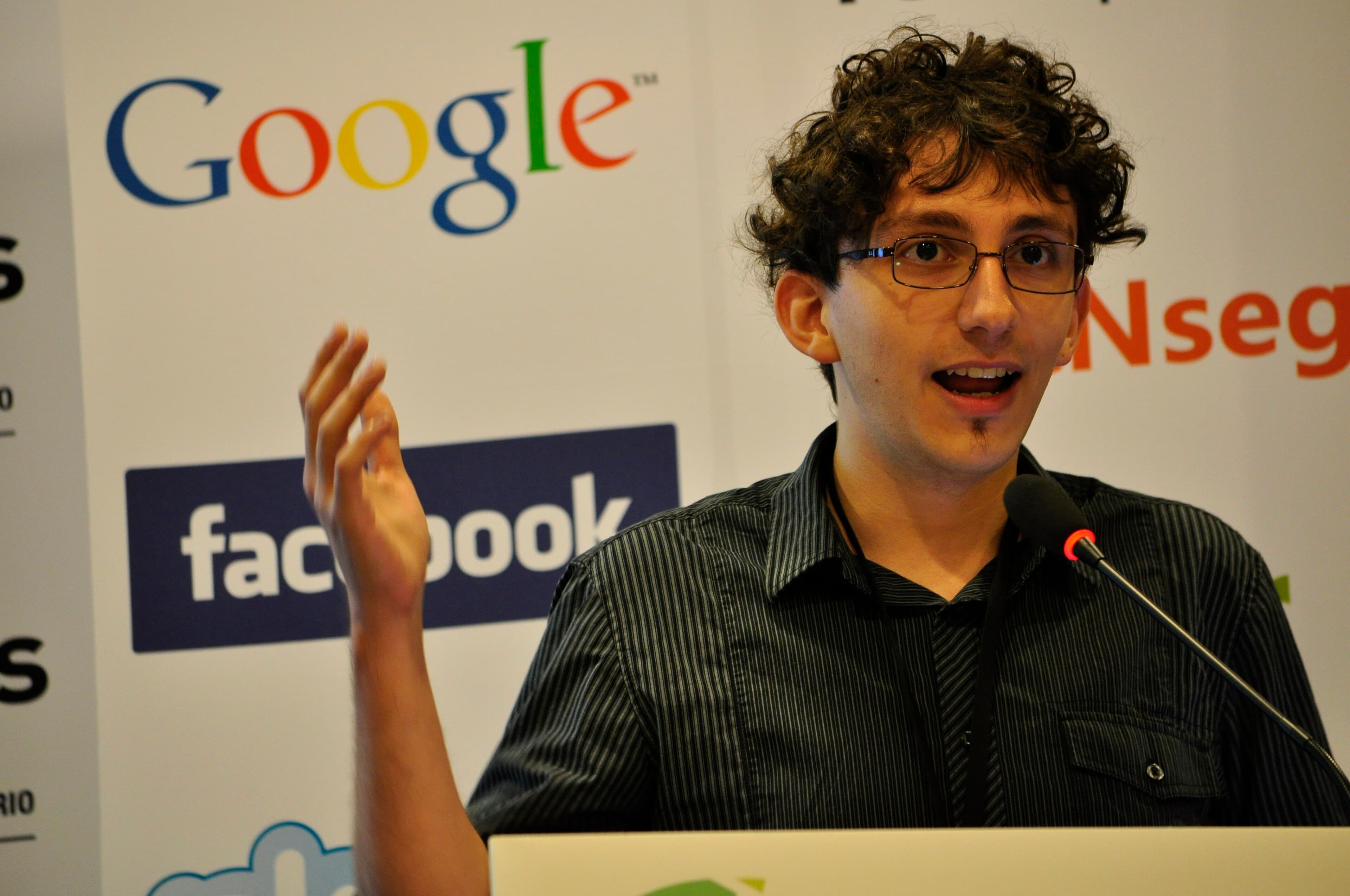
Nadim Kobeissi
Canadian computer programmer and security researcher (born 1990)
1990 – present

Nguyễn Mạnh Luật
1993 – present

Nicholas Carlini
American artificial intelligence researcher
1990 – present