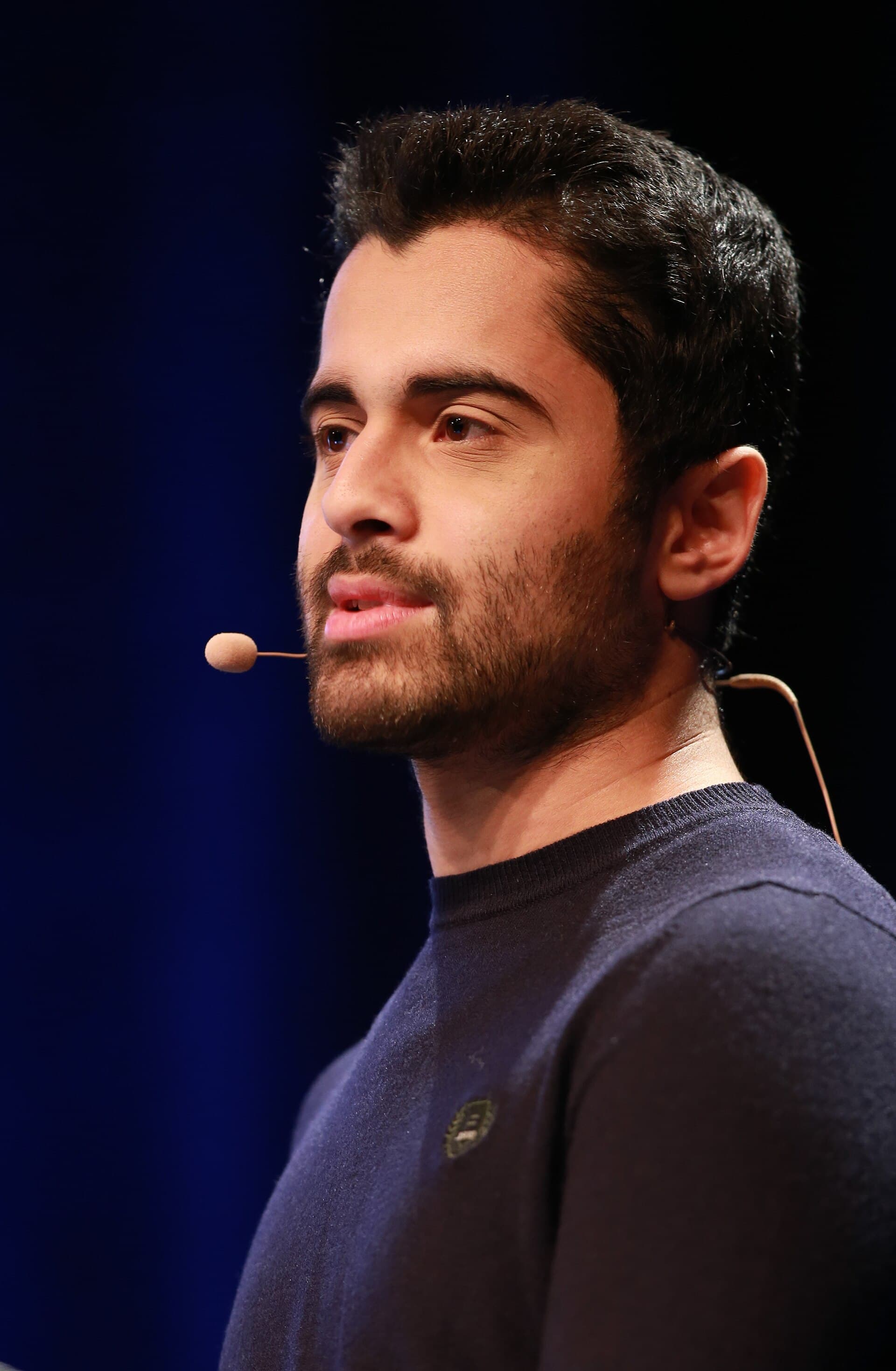
Mustafa Al-Bassam
Iraqi-British computer hacker and co-founder of LulzSec
- Vie
- 1995 – présent
- Né(e) le
- janvier 1995
- Nationalité
- Royaume-Uni
Mustafa Al-Bassam is an Iraqi-British computer security researcher, hacker, and co-founder of Celestia Labs. Al-Bassam co-founded the hacker group LulzSec in 2011, which was responsible for several high profile breaches. He later went on to co-found Chainspace, a company implementing a smart contract platform, which was acquired by Facebook in 2019. In 2021, Al-Bassam graduated from University College London, completing a PhD in computer science with a thesis on Securely Scal
Early Life and Education
Al-Bassam was born in Baghdad, Iraq, in January 1995, and moved to London, United Kingdom, at the age of five. He earned a BSc in computer science from King's College London and subsequently completed a PhD in computer science at University College London in 2021, with a thesis focused on securely scaling blockchain base layers.
Hacktivism
In 2011, at the age of 16, Al-Bassam became one of six core members of LulzSec, operating under the alias "tflow." Over the group's notable 50-day hacking spree, LulzSec employed denial-of-service attacks and compromised a number of high-profile organizations, including Sony, Fox, News International, Nintendo, and the CIA.
Al-Bassam was also affiliated with the hacktivist collective Anonymous, through which he participated in the breach of emails belonging to HBGary Federal, a U.S. government intelligence contractor. The leaked emails revealed that HBGary Federal had been developing astroturfing software to generate fake social media profiles and had been hired by the U.S. Chamber of Commerce to surveil and discredit political opponents using fabricated documents and communications. The disclosures prompted members of the U.S. Congress to call for a formal investigation into the firm.
Arrest and Legal Proceedings
On July 20, 2011, London's Metropolitan Police arrested a 16-year-old student alleged to be "Tflow," following high-profile attacks on fox.com, the FBI affiliate InfraGard, PBS, and Sony. For legal reasons, his identity could not be publicly disclosed for nearly two years. On April 9, 2013, his full name was revealed across multiple news outlets. Al-Bassam pleaded guilty to computer misuse and received a 20-month suspended sentence along with 320 hours of unpaid community service. A nearly two-year internet ban imposed by police subsequently expired.
Career and Research
Blockchain and Distributed Ledgers
Al-Bassam contributed to the design and implementation of Chainspace, a blockchain protocol utilizing sharding to increase transaction throughput. Chainspace was later spun out into a commercial company he co-founded, which Facebook acquired in 2019 as part of its Libra project. Following the acquisition, Al-Bassam publicly expressed reservations about Libra's decentralization model, stating that "the road to dystopia is paved with good intentions." He subsequently co-founded Celestia Labs, continuing his work in the blockchain space.
Privacy and Surveillance Research
In 2014, Al-Bassam volunteered with Privacy International, where he published research examining the computer destruction techniques employed by GCHQ when compelling journalists at The Guardian's London headquarters to destroy hardware storing classified documents provided by NSA whistleblower Edward Snowden. He also reported, in an article for Motherboard, that GCHQ's Joint Threat Research Intelligence Group (JTRIG) had engaged in online sockpuppetry — creating fake Twitter accounts and operating a URL shortener used as a honeypot targeting dissidents during the Arab Spring. Al-Bassam disclosed that he had himself been targeted by JTRIG.
Recognition
In 2016, Forbes included Al-Bassam in its 30 Under 30 list in the technology category, citing his work on uncovering government surveillance practices.
§Entrées associées
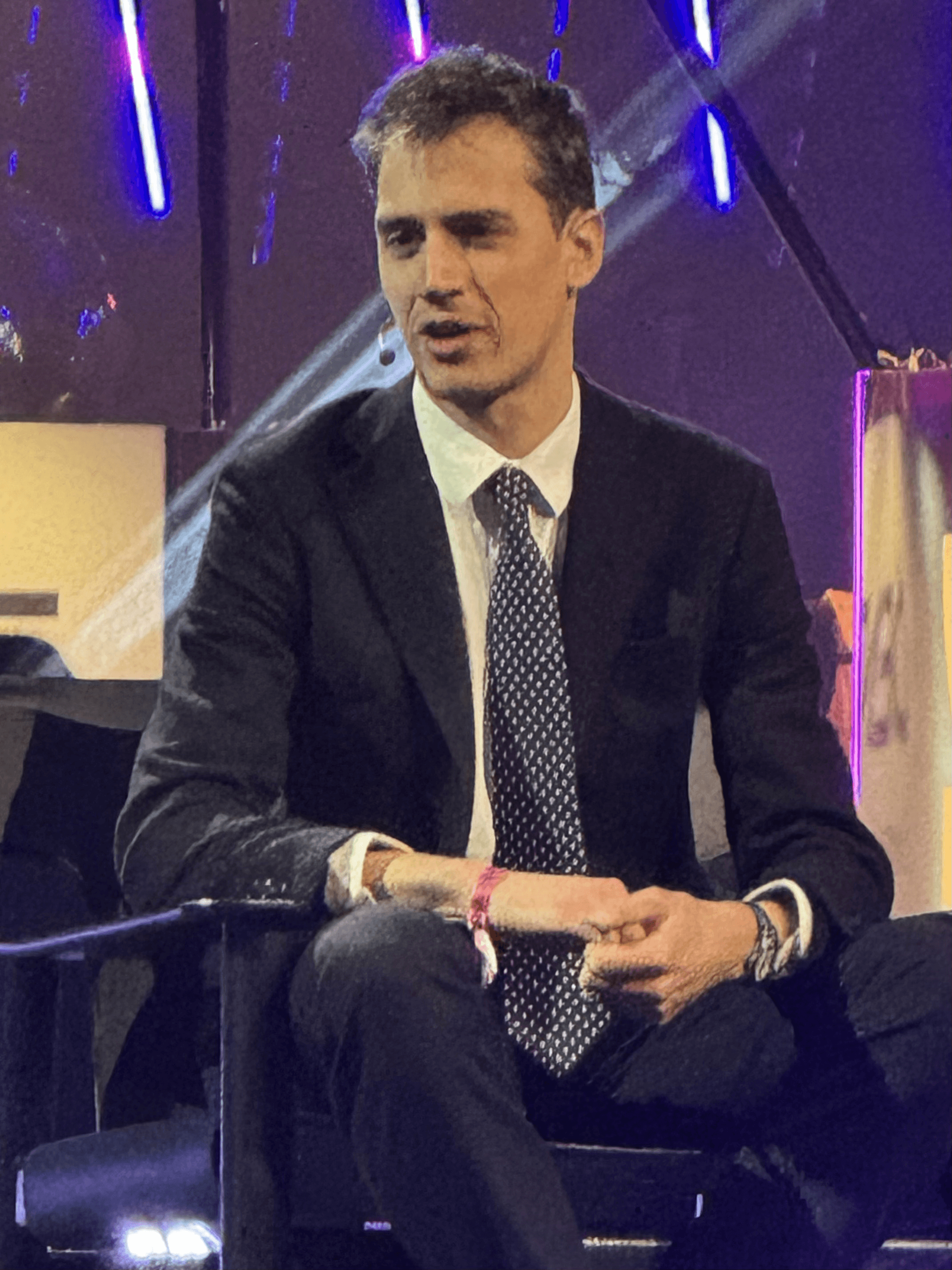
Arthur Mensch
French entrepreneur, AI researcher and startup leader (born 1992)
1992 – présent · France

Ignacio Rodríguez (programmer)
Uruguayan programmer
1999 – présent

Ire Aderinokun
Nigerian front end developer
1991 – présent
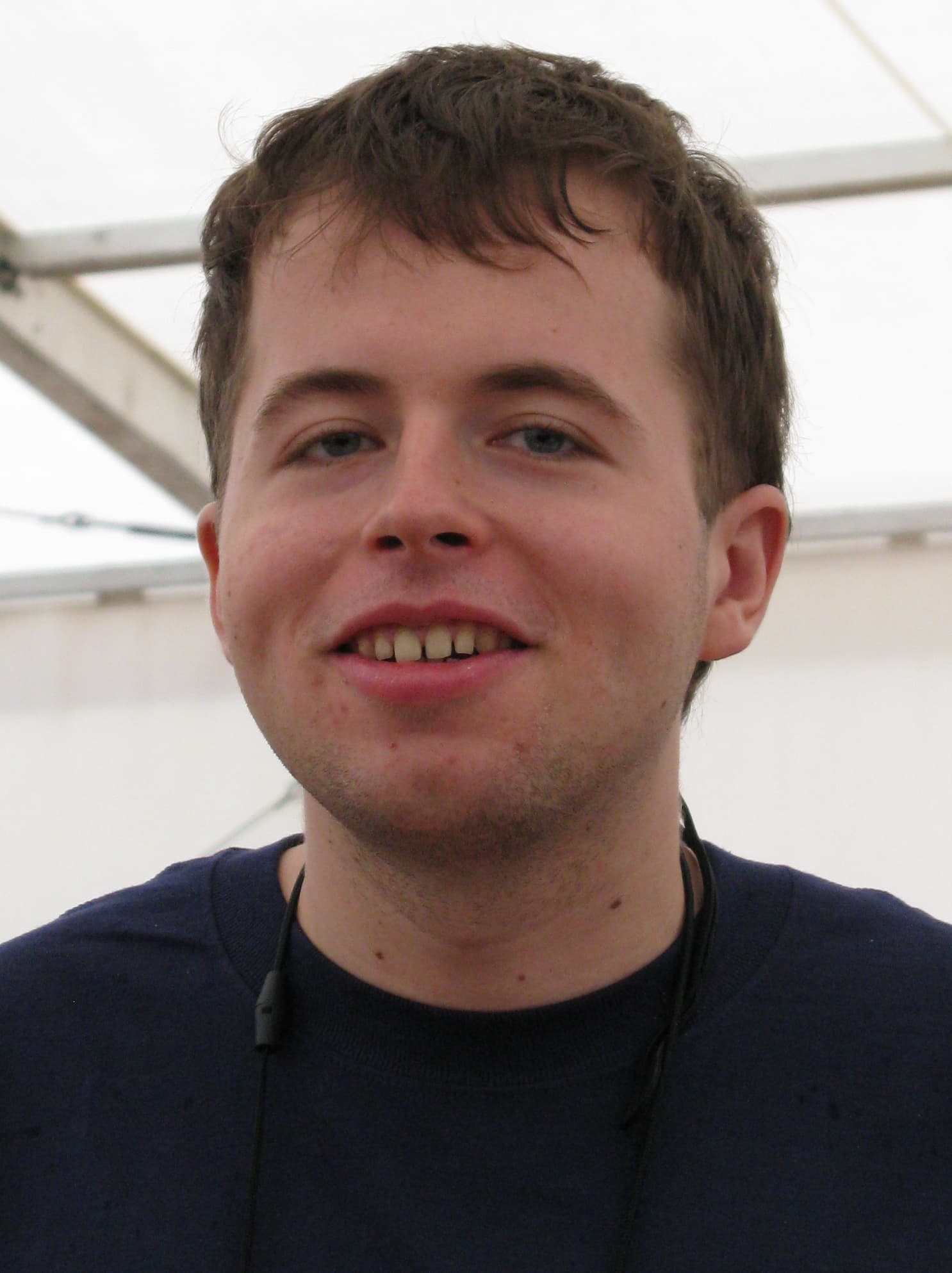
Jakub Pachocki
Computer scientist (born 1991)
1991 – présent · Pologne