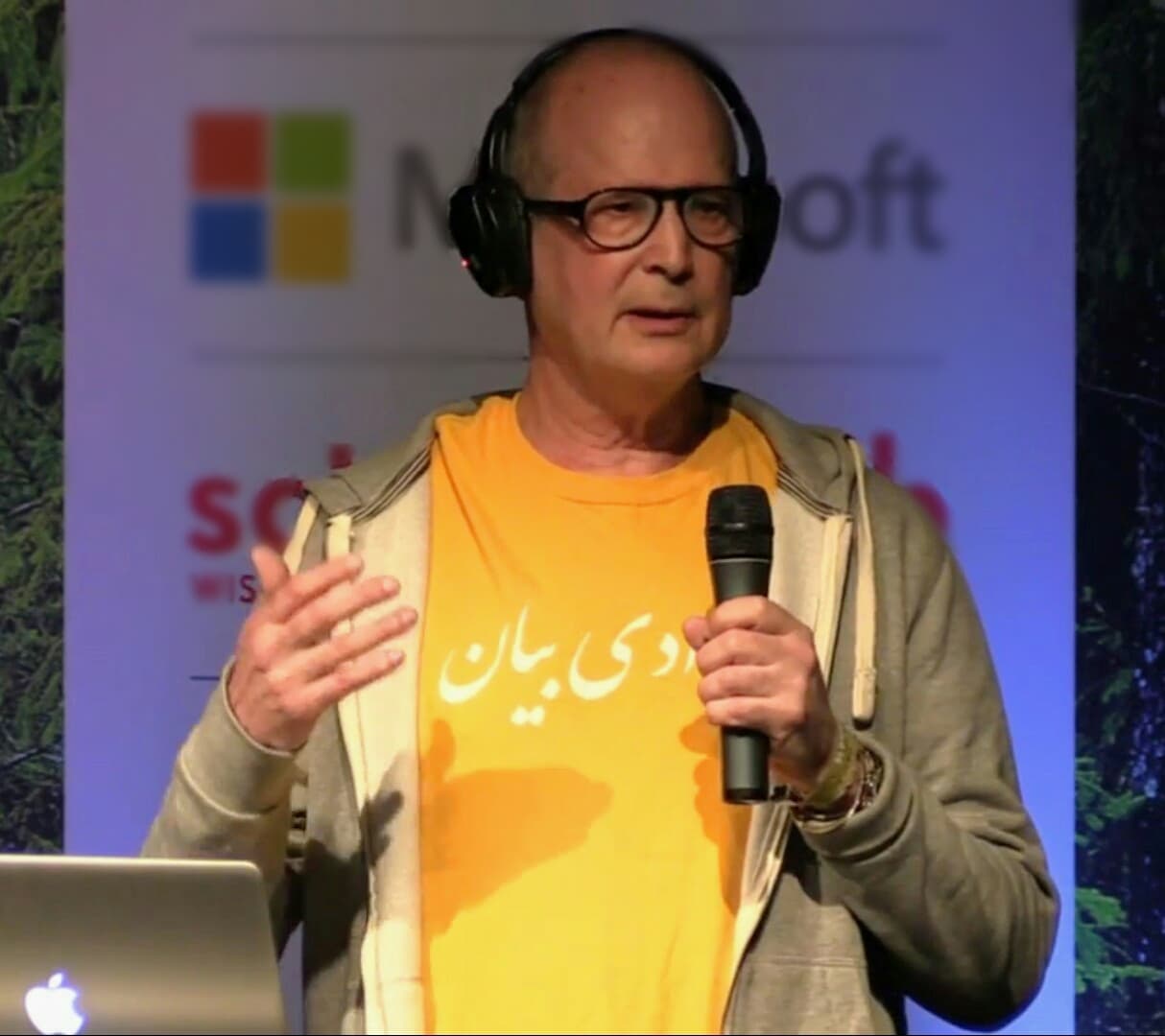
Oxblood Ruffin
Canadian hacker
- Vie
- 1950 – présent
- Né(e) le
- 1950
- Nationalité
- Canada
Oxblood Ruffin is a Canadian hacktivist, writer, and filmmaker, best known for his role as a member of the hacker collective Cult of the Dead Cow (cDc), where he serves as the group's "Foreign Minister." He is the founder and executive director of Hacktivismo, an offshoot of cDc focused on developing anti-censorship technologies rooted in international human rights principles. Ruffin has significantly contributed to the definition and practice of hacktivism, blending technolo
Early Life and Background
Oxblood Ruffin was born and raised in Canada, developing an early interest in global cultures, languages, and politics. Before his career in hacktivism, he worked as a consultant at the United Nations headquarters in New York, where he gained direct exposure to international affairs and human rights issues. As the internet emerged into public use during the 1990s, Ruffin recognized its potential as a tool for global connectivity and the free flow of information — an insight that would shape his subsequent work at the intersection of technology and activism.
Cult of the Dead Cow
Ruffin joined the Cult of the Dead Cow (cDc) in the late 1990s, taking on the role of "Foreign Minister." Founded in 1984 in Lubbock, Texas, cDc is one of the oldest and most influential hacking groups and is widely credited with pioneering the concept of hacktivism — a term coined by cDc member Omega in 1996. Under Ruffin's influence, the group expanded its focus to encompass human rights advocacy through technological means.
Hacktivismo
In 1999, Ruffin founded Hacktivismo, an offshoot of cDc dedicated to creating tools that enable users to bypass internet censorship and surveillance imposed by authoritarian regimes. The organization's mission is articulated in the Hacktivismo Declaration, a document invoking the Universal Declaration of Human Rights and the International Covenant on Civil and Political Rights to assert the importance of unrestricted internet access. To provide legal and human rights grounding for the organization, Ruffin assembled an advisory board that included Cindy Cohn of the Electronic Frontier Foundation and Patrick Ball, a statistician known for documenting war crimes through data science.
Key Projects and Tools
HESSLA
In 2002, Ruffin collaborated with attorney Eric Grimm to develop the Hacktivismo Enhanced-Source Software License Agreement (HESSLA), a software license that integrates human rights protections directly into its terms. Unlike conventional open-source licenses, HESSLA prohibits use or modification that violates human rights or introduces surveillance capabilities. Its provisions include a ban on spyware in derivative works, restrictions barring entities with records of human rights abuses from using the software, mechanisms for legal enforcement by Hacktivismo and end users, and a sovereign immunity waiver permitting lawsuits against governments that misuse the software in foreign courts. Ruffin described HESSLA as a pioneering link between technology transfer and human rights protection.
Six/Four System
Ruffin oversaw the development of the Six/Four System, a censorship-resistant network proxy named in reference to the Tiananmen Square massacre of June 4, 1989. Written by Hacktivismo member Mixter, the peer-to-peer system uses encrypted links through trusted nodes to evade national firewalls, enabling secure communication and information access in repressive environments. Ruffin characterized it as a tool in a "guerrilla information war" against oppressive controls.
Initiatives in Dharamsala
In the early 2000s, Ruffin partnered with technologist Yahel Ben-David to establish the Dharamsala Community Wireless Mesh Network — later known as AirJaldi — in Dharamsala, India, home to the Tibetan exile community. The project provided affordable internet access to a region with challenging terrain, enhancing communication for Tibetan refugees and supporting a hub for technological innovation.
Writings and Public Commentary
Ruffin has written on technology and human rights for outlets including The Register. In 2004, he presented "Hacktivism: From Here to There" at Yale Law School's Conference on Cybercrime, advocating for nonviolent hacktivism aligned with human rights standards. He has publicly criticized tactics such as distributed denial-of-service (DDoS) attacks, arguing they undermine free speech rather than advance it. His commentary, including a 2011 interview with Radio Free Europe, has contributed to ongoing ethical debates within the hacktivist community.
Filmmaking
In 2013, Ruffin directed DesiSec: Cybersecurity and Civil Society in India, produced by the Centre for Internet & Society (CIS). The documentary examines cybersecurity, privacy, and free speech in India, featuring interviews with figures including Malavika Jayaram and Sikyong Lobsang Sangay. Released under a Creative Commons license, it premiered at re:publica in 2014 and is available on Vimeo.
Recognition and Legacy
Ruffin's leadership within cDc and Hacktivismo has established him as a significant figure in the development of hacktivism as both a practice and an ethical framework. His work supporting Tibetan exile communities bolstered cybersecurity for marginalized groups, while his consistent opposition to DDoS attacks helped define boundaries within hacktivist discourse. His efforts in linking software licensing, human rights law, and anti-censorship technology have had a lasting influence on digital rights advocacy.
§Entrées associées

Alison Macrina
Librarian and Director of the Library Freedom Project
1950 – présent
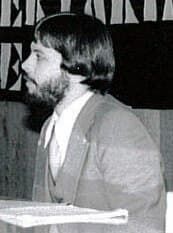
Eric Garris
American journalist
1953 – présent · États-Unis
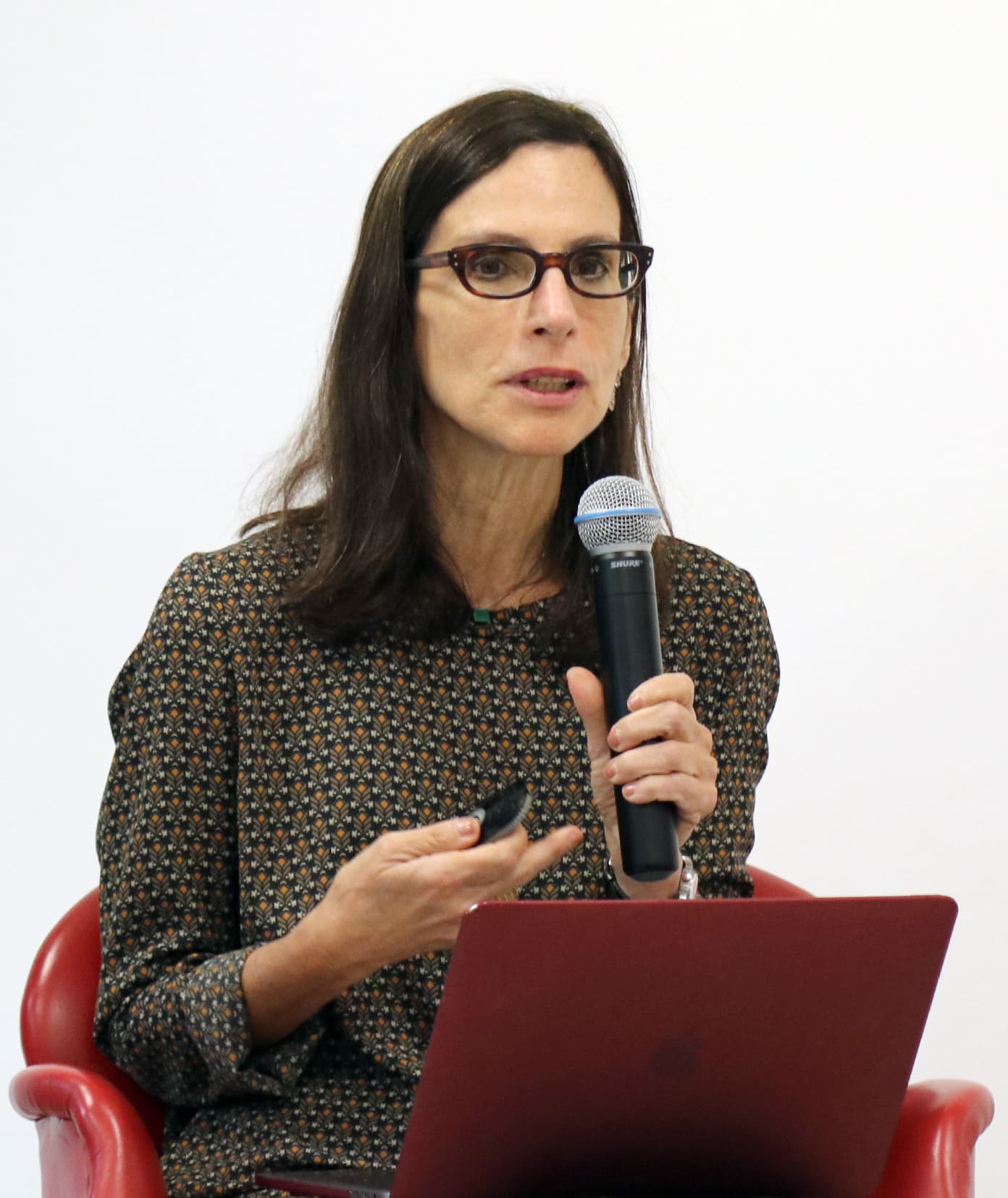
Lilia Moritz Schwarcz
Brazilian anthropologist and publisher
1957 – présent · Brésil
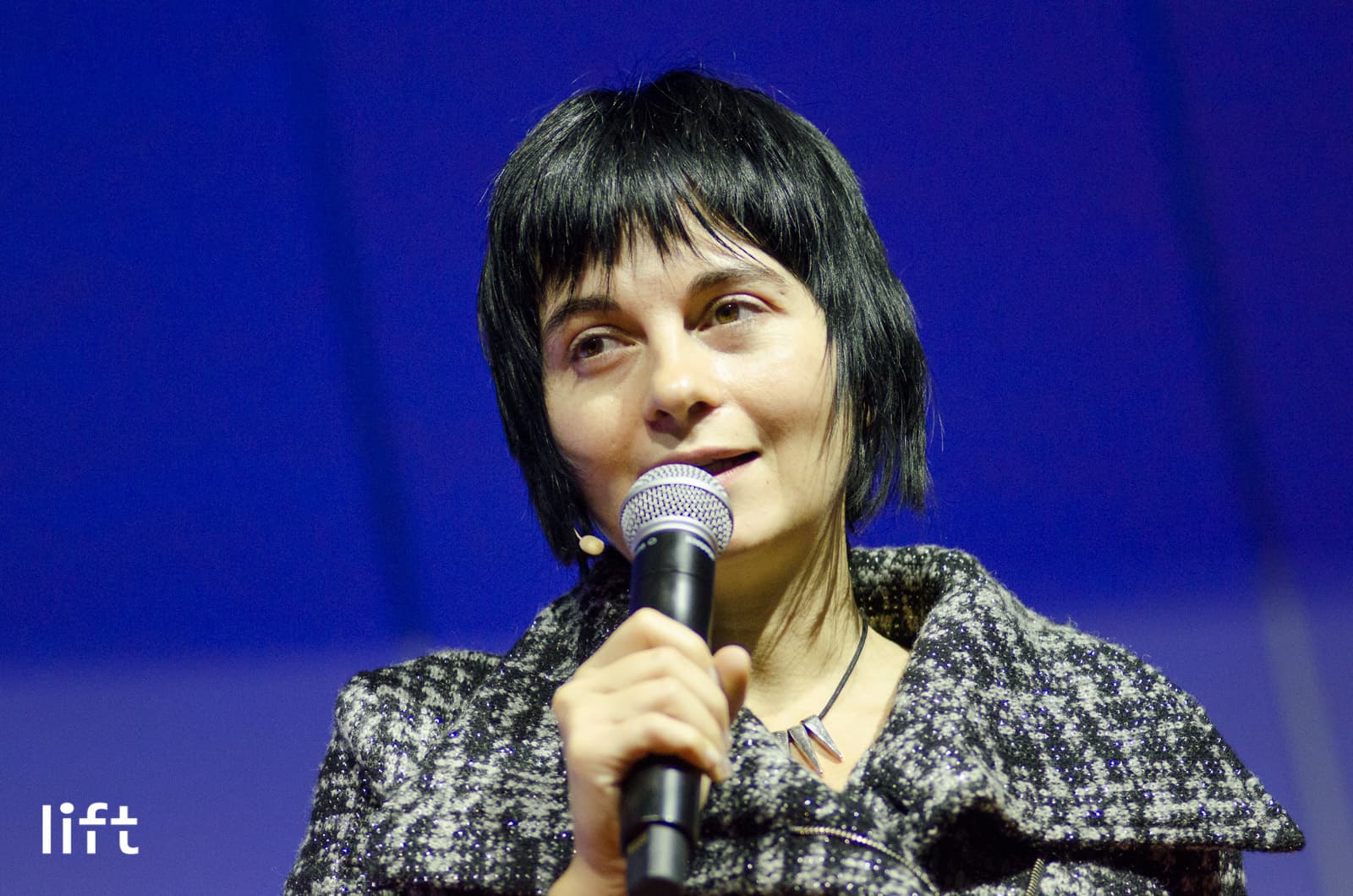
Primavera De Filippi
French legal scholar and Internet activist
1950 – présent · France
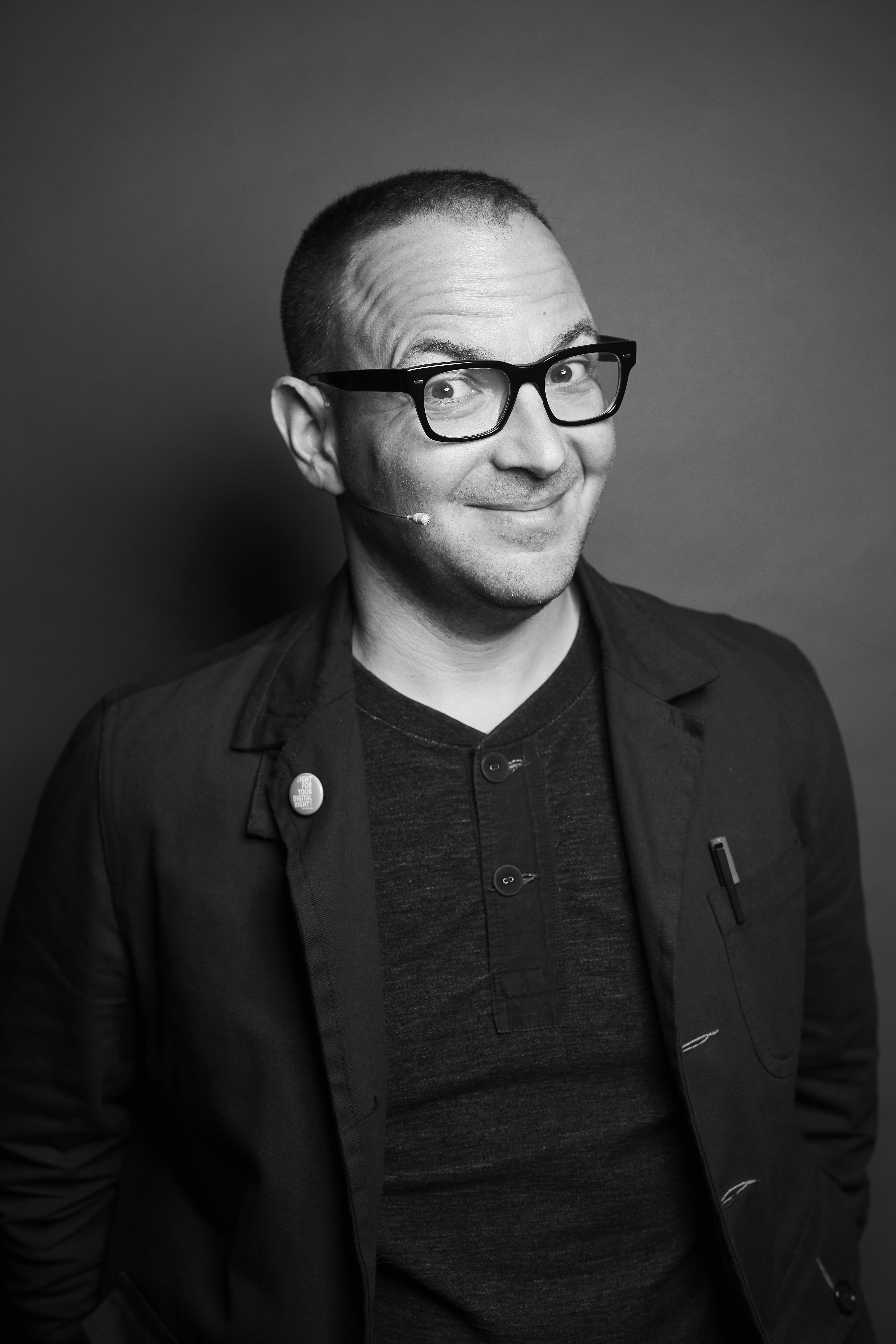
Cory Doctorow
Canadian-British writer (born 1971)
1971 – présent · Canada