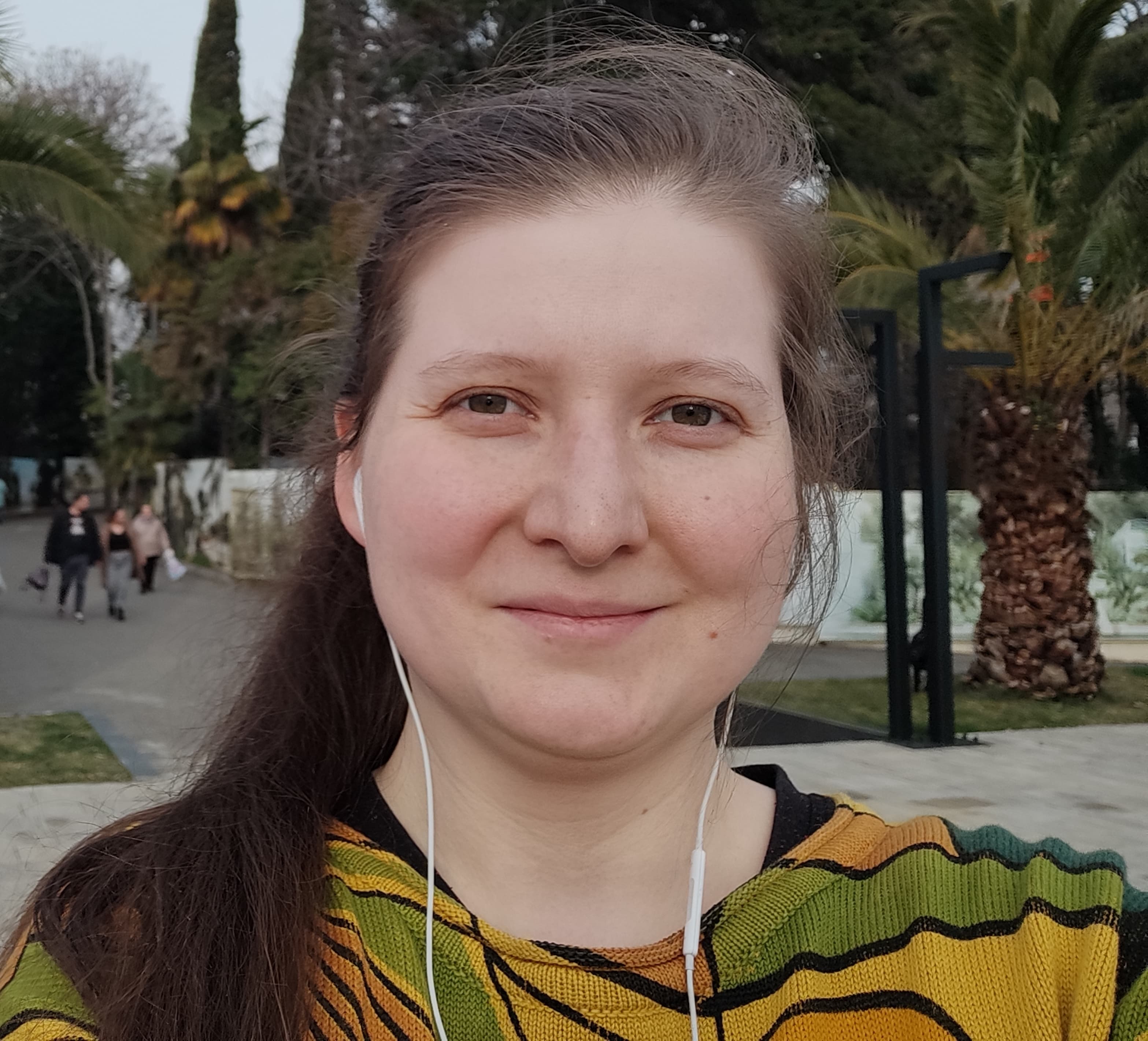
Alexandra Elbakyan
Kazakh computer scientist and founder of Sci-Hub
- Life
- 1988 – present
- Born
- November 6, 1988
Alexandra Asanovna Elbakyan is a Kazakhstani computer programmer, multidisciplinary academic, and creator of the website Sci-Hub, which provides free access to research papers without regard for copyright. Sci-Hub provides access to nearly all scholarly literature published before 2020, but a much lower proportion of those published since then.
Early Life
Born on 6 November 1988 in Almaty, Kazakh Soviet Socialist Republic, Elbakyan identifies as multiracial, with Armenian, Slavic, and Asian roots. She was raised by a single mother who was an accomplished computer programmer. She began programming at age 12, building web pages in HTML before progressing to PHP, Delphi, and assembly languages. She also attempted to build an artificial-intelligence-powered Tamagotchi.
At age 14, she performed her first notable hack: using SQL injection, she obtained login credentials from her home internet provider. She discovered additional cross-site scripting vulnerabilities and reported them to the provider hoping to secure employment, but the provider instead cut off her internet access. At 16, she wrote a PHP program that exploited a vulnerability on the MIT Press website to download paywalled neuroscience books she could not afford to purchase.
Education
In 2009, Elbakyan earned a Bachelor of Science in computer science from Satbayev University, specializing in information security. Her undergraduate thesis examined the use of electroencephalography (EEG) brainwave data as a biometric authentication method. It was during this research that she first encountered the problem of paywalled academic journals, as her university lacked access to many relevant publications.
In 2010, she joined the University of Freiburg to work on brain–computer interface research, which led to a summer internship in neuroscience at the Georgia Institute of Technology. That same year she spoke at the Humanity+ Summit at Harvard on the topic of brain–computer interfacing and consciousness, and presented a poster at the Towards a Science of Consciousness conference in Tucson, Arizona.
From 2012 to 2014, she was enrolled as a master's student at the Higher School of Economics in Moscow before dropping out. She later pursued a history of science master's program at an undisclosed institution. In 2019, she graduated from Saint Petersburg State University with a master's degree in linguistics, with a thesis focused on biblical languages.
Sci-Hub
Elbakyan developed Sci-Hub in 2011 while living in Kazakhstan. The site was initially intended, by her own account, to make access to academic papers fast and convenient rather than to pursue a broad ideological goal. It has since grown to provide access to nearly all scholarly literature published before 2020. Science correspondent John Bohannon characterized it as either "an awe-inspiring act of altruism or a massive criminal enterprise, depending on whom you ask."
In 2015, academic publisher Elsevier sued Sci-Hub in the United States. Elbakyan wrote a letter to the presiding judge explaining that she had been unable to afford the hundreds of papers required for her own research and had founded the site to help others in the same position. Elsevier was granted an injunction and $15 million in damages. Elbakyan subsequently remained in hiding due to the risk of extradition. Additional lawsuits from other publishers followed in multiple jurisdictions.
In December 2019, The Washington Post reported that the US Justice Department was investigating Elbakyan for suspected ties to Russian military intelligence. Elbakyan denied any direct affiliation. In May 2021, she disclosed that the FBI had served a subpoena to Apple seeking her iCloud data, a development that drew public comment from Edward Snowden.
Views
Elbakyan is a vocal supporter of the open access movement and has described herself as a devout pirate. She has stated that she is inspired by communist ideals and believes knowledge should be common property rather than owned by corporations. She has cited Robert Merton's concept of communism as part of scientific ethos and invoked Article 27 of the UN Universal Declaration of Human Rights — which affirms the right to share in scientific advancement — as justification for Sci-Hub. She does not strictly identify as a Marxist but endorses many of its propositions.
Recognition
In December 2016, Nature named Elbakyan one of the ten people who most mattered in science that year. Nobel laureate Randy Schekman has called her a hero. She has been compared to Aaron Swartz by Ars Technica and to Edward Snowden by The New York Times, and has been widely referred to as "Science's Pirate Queen" and a "Robin Hood of science."
Several biological species have been named in her honor, including a parasitoid wasp (Idiogramma elbakyanae, 2017), an extinct catfish (Brachyplatystoma elbakyani, 2020), a flowering plant (Spigelia elbakyaniae, 2020), a worm lizard (Amphisbaena elbakyanae, 2021), and a deep-sea snail (Sibogasyrinx elbakyanae, 2021). She was twice nominated for the John Maddox Prize, reaching the final shortlist on both occasions. In 2023, the Electronic Frontier Foundation presented her with its Award for Access to Scientific Knowledge.
§Related entries
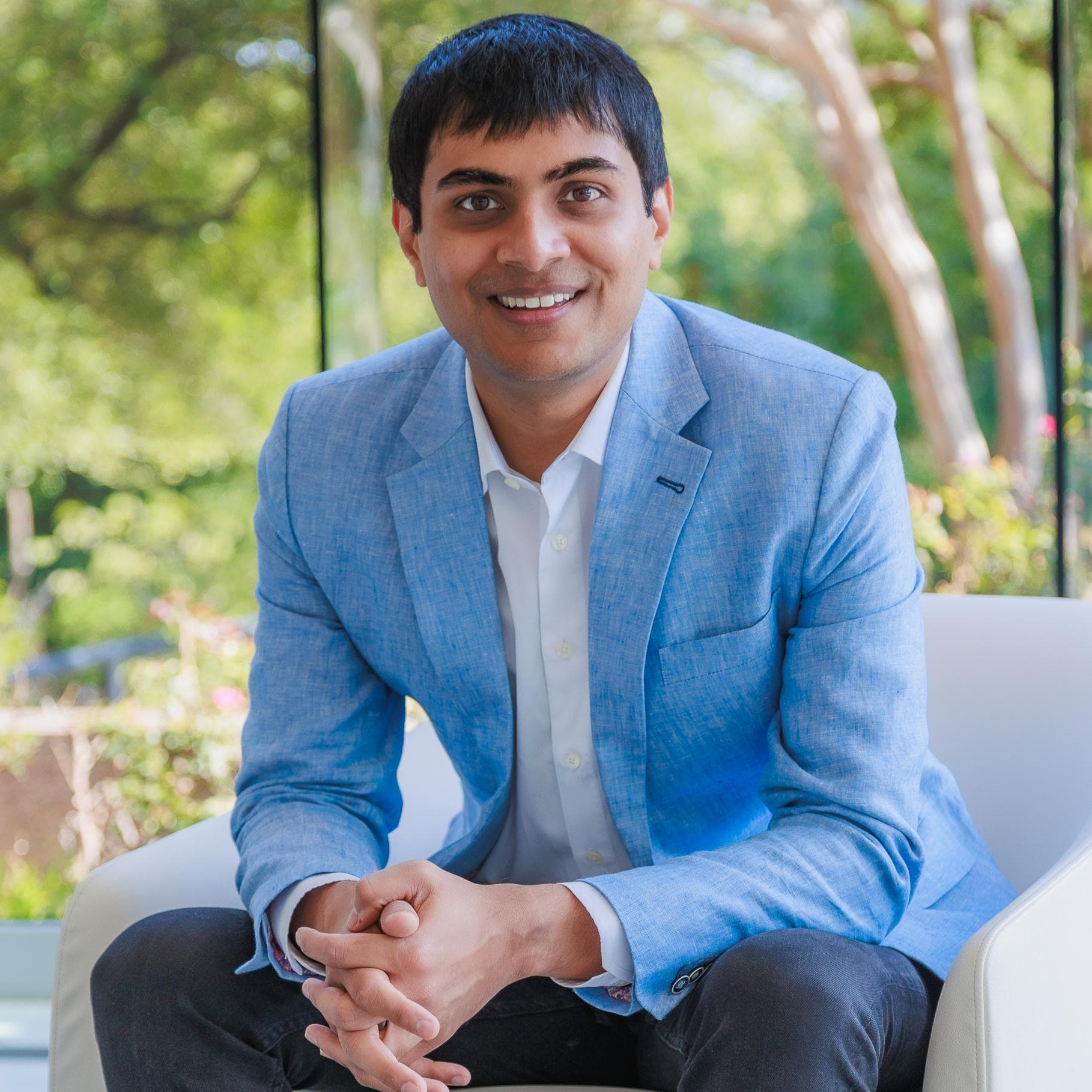
Ankit Fadia
Indian former hacker and writer
1985 – present · India
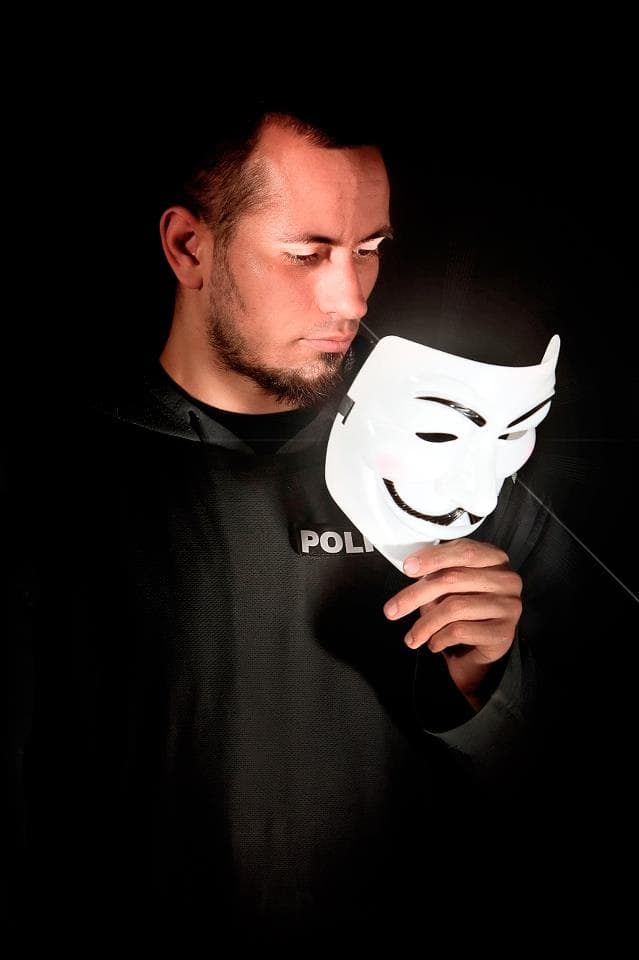
Denis Periša
Activist and hacker from Croatia (born 1983)
1983 – present
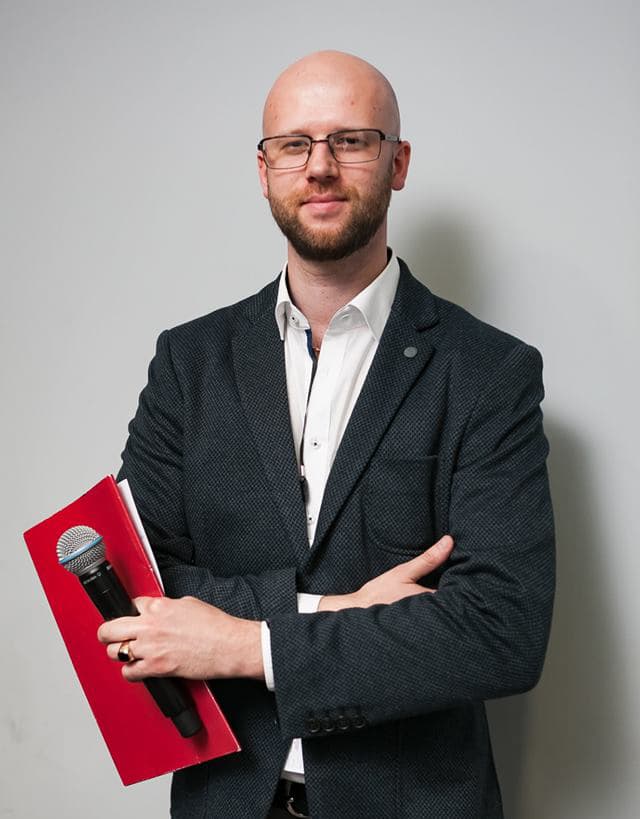
Deniss Čalovskis
Latvian computer hacker
1985 – present

Elie Bursztein
French computer scientist and hacker (born 1980)
1980 – present · France
Gottfrid Svartholm
Swedish computer specialist
1984 – present · Sweden