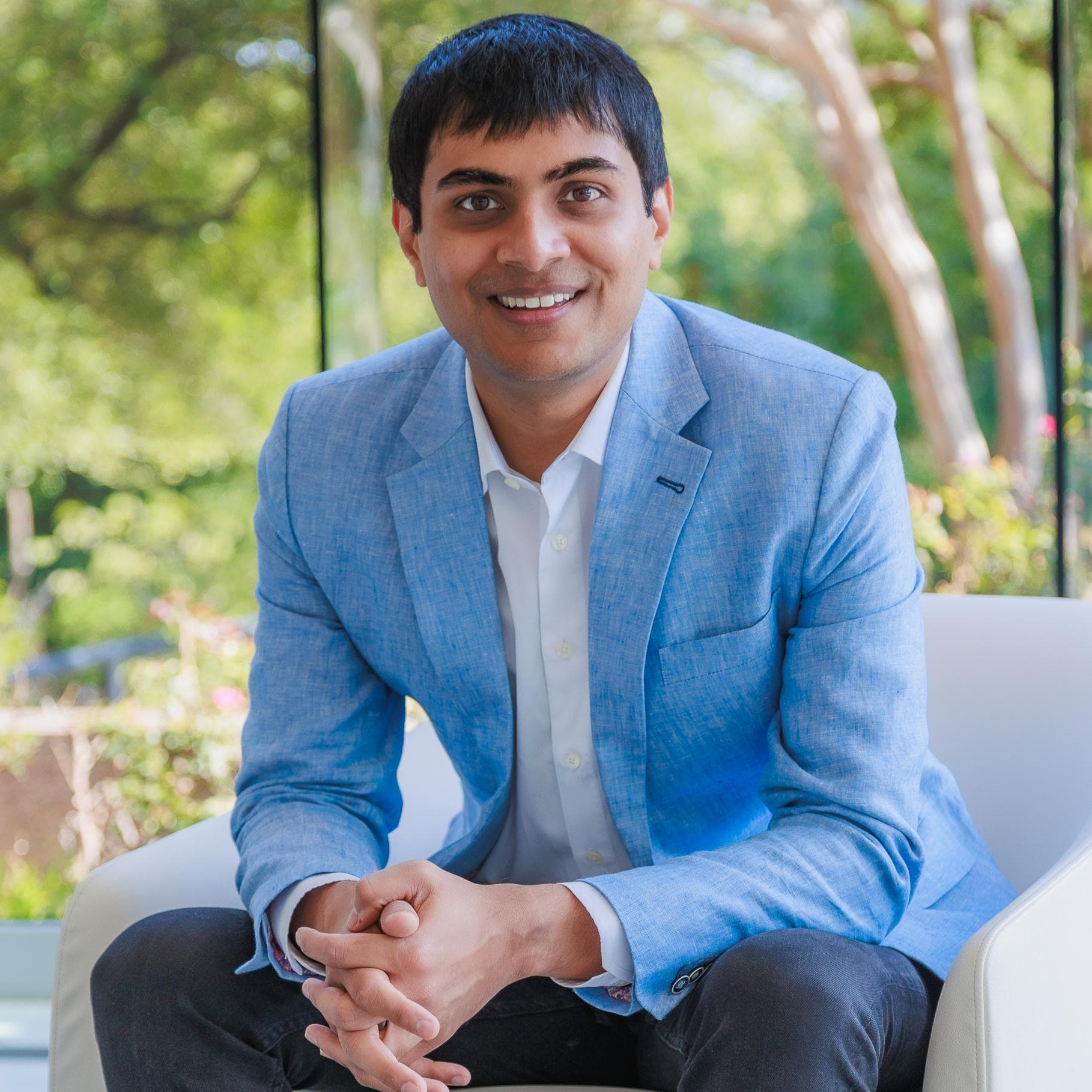
Ankit Fadia
Indian former hacker and writer
- Life
- 1985 – present
- Born
- May 24, 1985
- Nationality
- India
Ankit Fadia is an Indian former hacker, author, and television host known for his hacking claims and written work, which was later identified as plagiarized. His hacking claims have since been widely discredited by the cybersecurity community and media.
Early Life
Ankit Fadia was born on 24 May 1985 in Delhi, India. He developed an interest in computer hacking at around age 10, after receiving a computer and reading a newspaper article on the subject. He later graduated from Stanford University, where he studied management science and engineering.
Writing Career
Fadia began his public presence by founding a website called hackingtruths.box.sk, where he published hacking tutorials. At age 15, he authored An Unofficial Guide to Ethical Hacking, which was published by Macmillan India and made him the youngest author the publisher had released at that time. He subsequently wrote additional books on computer security, delivered talks at schools and colleges across India, and launched training programs, including the "Ankit Fadia Certified Ethical Hacker" (AFCEH) course.
His written work later came under serious scrutiny. In 2011, Jericho of attrition.org identified plagiarism in two of Fadia's books: approximately half of Network Intrusion Alert and roughly one third of The Unofficial Guide to Ethical Hacking were found to have been copied from pre-existing sources.
Hacking Claims
Fadia made a series of high-profile claims throughout his career that were subsequently disputed or denied. Following the September 11 attacks, he claimed to have been hired by a U.S. intelligence agency in November 2001 to decipher Al-Qaeda communications, though the name of the organization was never disclosed. He also claimed to have consulted for India's Central Bureau of Investigation (CBI) on a cybercrime case.
In 2002, Fadia asserted that he had defaced the website of the Indian edition of CHIP magazine at age 17 and that the editor had subsequently offered him a job. In 2012, Forbes India executive editor Charles Assisi — who had been the editor of CHIP India at the relevant time — denied that the incident had occurred, after consulting with both his predecessor and successor in the role.
Also in 2002, Fadia claimed to have thwarted an attempt by Kashmiri separatist hackers to deface an Indian website, stating he had infiltrated their online communications and passed information to a U.S. intelligence agency. The Pakistani hacker group Anti-India Crew (AIC) responded by defacing the Indian government website epfindia.gov.in and dedicating the defacement to Fadia. AIC also publicly challenged him to prevent them from defacing the CBEC website within two days; Fadia was unsuccessful.
In 2003, he claimed to have infiltrated a hacker group and alleged that Pakistani intelligence agencies were paying "westerners" to deface Indian websites. By 2009, he stated he was working as an internet security consultant for unnamed "prestigious companies" in New York.
Fadia's own website was compromised at least nine times. Following a 2009 defacement, he attributed the breach to a vulnerability in his web host's servers, though independent security experts maintained the issue lay within his own website's code. In 2012, after Fadia issued a public challenge, a group called "Team Grey Hat" compromised his personal website on January 7 and released data obtained from it. His site was also defaced by Indian hacker Himanshu Sharma following a challenge from Fadia, and twice more by hackers who disputed his claims.
Many security and cryptography professionals have characterized Fadia as a self-proclaimed expert whose claims lack substance. In 2012, he was awarded a "Security Charlatan of the Year" award at the DEF CON hacking conference.
Television and Media
In 2008, Fadia began co-hosting the MTV India show MTV What the Hack! alongside José Covaco. In 2009, he launched a second MTV India show in which he answered internet-related questions submitted by viewers. In 2012, he collaborated with Dell India on a video series about computer and mobile phone usage, distributed via the Dell India Facebook page. The following year, he launched the YouTube show Geek on the Loose in collaboration with PING networks, based on one of his books. He also endorsed the Flying Machine jeans brand of Arvind Mills.
Controversies
In September 2015, a certificate appeared on Fadia's official Facebook page announcing his appointment as a brand ambassador for the Indian Prime Minister's Digital India initiative. Government sources subsequently clarified that there was "no such move to appoint a brand ambassador as reported."
§Related entries

Alexandra Elbakyan
Kazakh computer scientist and founder of Sci-Hub
1988 – present
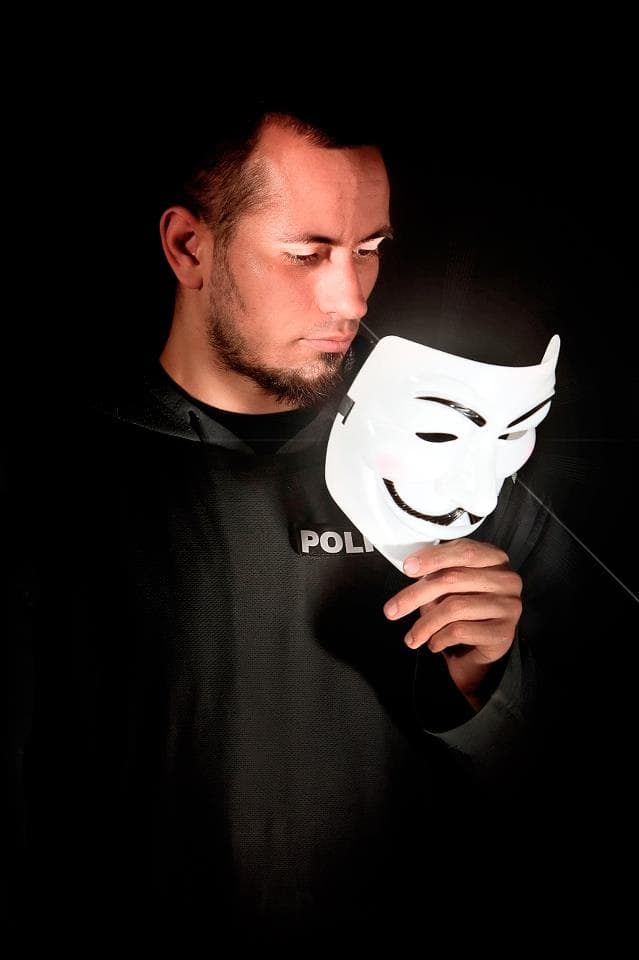
Denis Periša
Activist and hacker from Croatia (born 1983)
1983 – present

Deniss Čalovskis
Latvian computer hacker
1985 – present

Elie Bursztein
French computer scientist and hacker (born 1980)
1980 – present · France
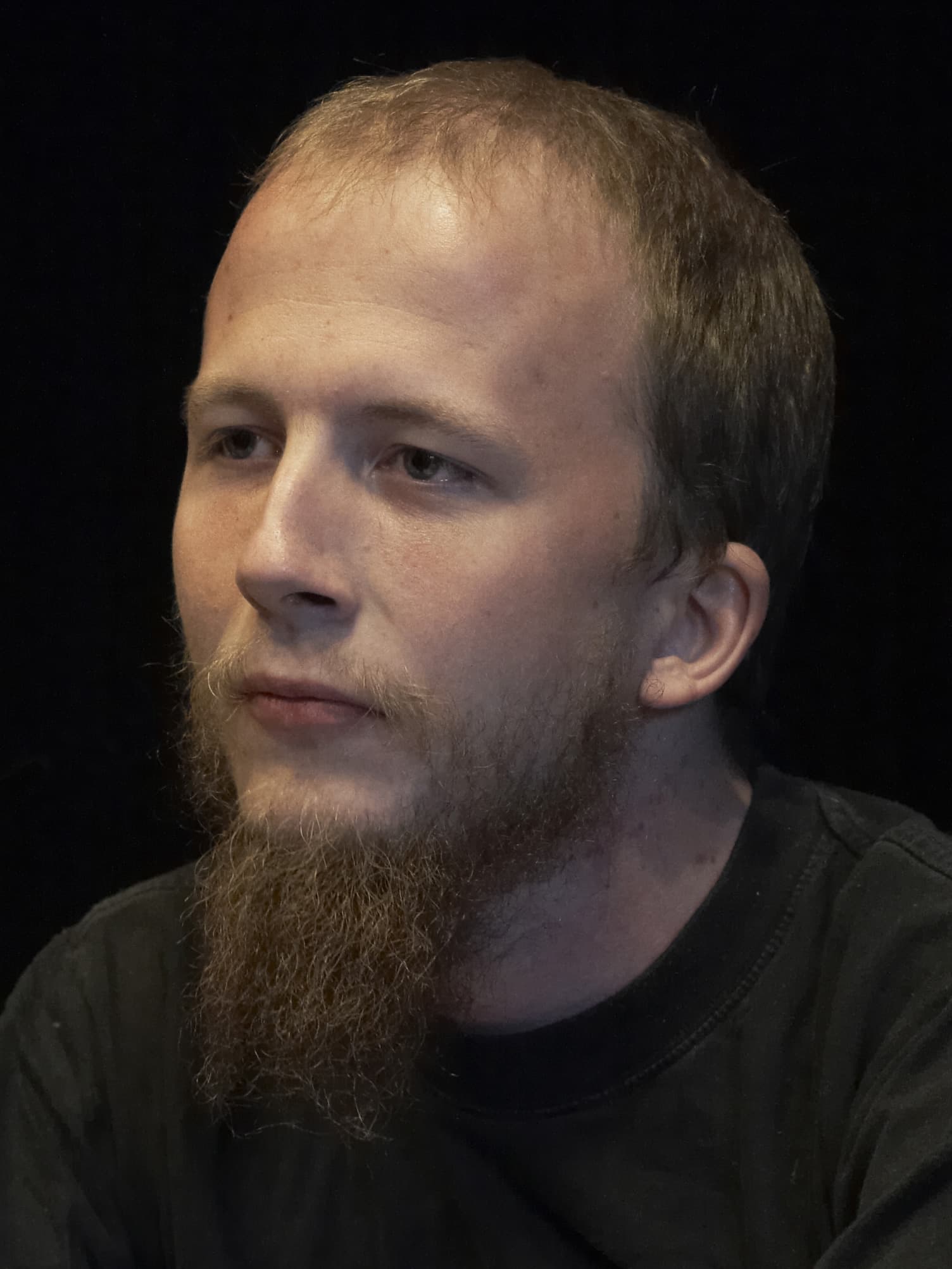
Gottfrid Svartholm
Swedish computer specialist
1984 – present · Sweden