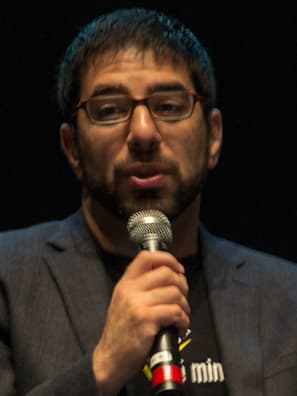
Ashkan Soltani
American computer scientist
- Nationality
- United States
Ashkan Soltani is a privacy and security researcher. He was formerly the executive director of the California Privacy Protection Agency. He has previously been the Chief Technologist of the Federal Trade Commission and an independent privacy and security researcher based in Washington, DC.
Education
Soltani studied at the University of California, San Diego, where he earned a bachelor's degree in cognitive science. He subsequently completed a master's degree at the University of California, Berkeley School of Information.
Career
Early in his career, Soltani worked as the primary technical consultant to The Wall Street Journal's "What They Know" investigative series, which examined online privacy practices. Between 2010 and 2011, he joined the US Federal Trade Commission as a staff technologist in the Division of Privacy and Identity Protection, where he assisted with investigations of Google and Facebook. In 2011, he testified before two US Senate committees focused on privacy-related matters.
Soltani later joined The Washington Post, where he was part of the team that shared the 2014 Pulitzer Prize for Public Service — awarded jointly with The Guardian US — for coverage of disclosures about surveillance conducted by the US National Security Agency. That same body of work earned the team the 2014 Gerald Loeb Award for Large Newspapers.
He went on to serve as Chief Technologist of the Federal Trade Commission. In 2021, Soltani became the executive director of the California Privacy Protection Agency, a position he held until his departure in January 2025.
Julia Angwin, in her 2014 book Dragnet Nation, described Soltani as "the leading technical expert on ad tracking technology."
Notable Research
Flash Cookie Research
Soltani's first widely recognized research project was a 2009 study supported by the National Science Foundation's Team for Research in Ubiquitous Secure Computing. The study documented how several online advertising networks used so-called "zombie" Flash cookies to recreate tracking cookies that consumers had deleted. By storing unique tracking identifiers in Flash cookies — which were not automatically cleared when users deleted their browser cookies — websites were able to persistently track users without their knowledge. Following publication of the research, class action lawsuits were filed against multiple advertising networks and websites. Quantcast, Clearspring, and VideoEgg collectively agreed to pay $3.4 million to settle those suits.
ETag Tracking Research
In 2011, Soltani and Berkeley law professor Chris Hoofnagle published a follow-up study examining the use of web browser cache ETags as a mechanism for storing persistent identifiers. As with Flash cookies, these identifiers survived the deletion of standard browser cookies. The findings drew the attention of several members of Congress, who wrote to the Federal Trade Commission in September 2011 urging the agency to investigate advanced tracking technologies as potentially unfair or deceptive business practices. Class action litigation followed against companies identified in the research. In January 2013, online advertising network KISSmetrics settled its ETag-related lawsuit for $500,000.
§Related entries

Alec Muffett
Software engineer, security expert (born 1968)
1968 – present · United States
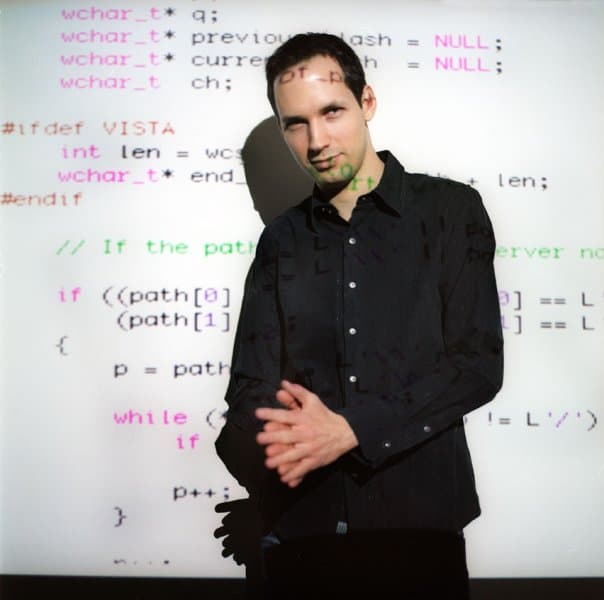
Alexander Sotirov
Computer security researcher
United States
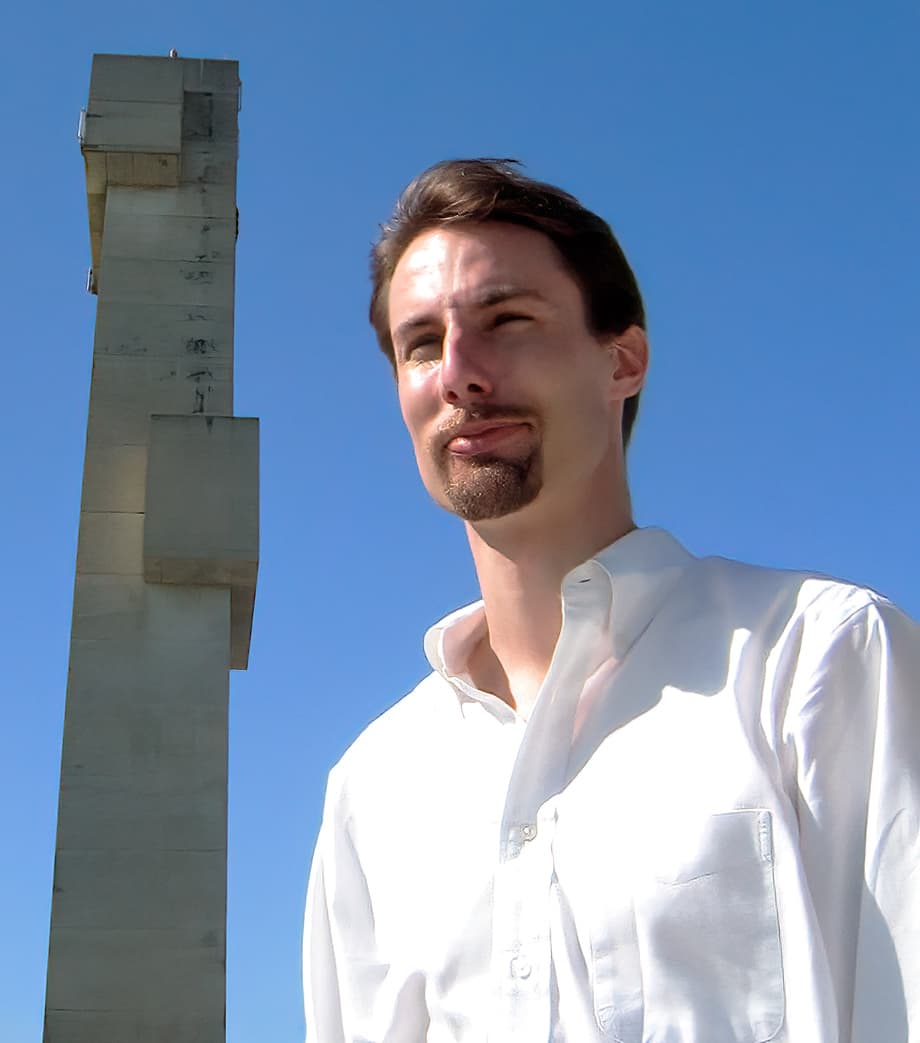
Bill Woodcock
Internet infrastructure pioneer (born 1971)
1971 – present · United States
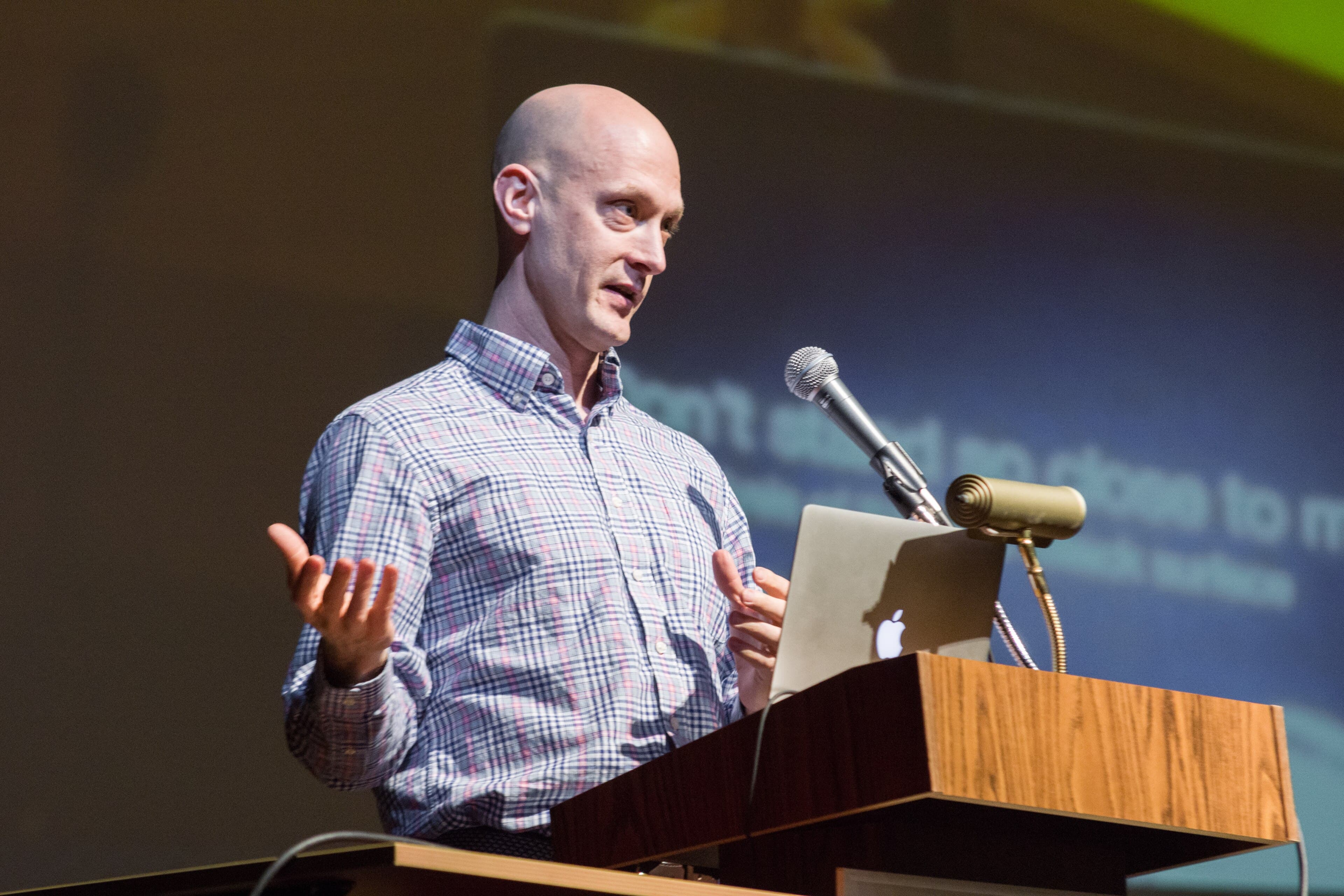
Charlie Miller (security researcher)
American computer security researcher
1971 – present · United States
Chris Krebs
American cybersecurity and infrastructure security expert (born 1977)
1977 – present · United States