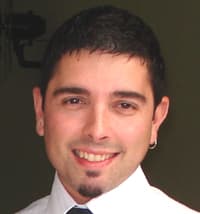
Mark Abene
American InfoSec expert and former hacker (born 1972)
- Life
- 1972 – present
- Born
- February 23, 1972
- Nationality
- United States
Mark Abene is an American information security expert and entrepreneur, originally from New York City. Better known by his pseudonym Phiber Optik, he was once a member of the hacker groups Legion of Doom and Masters of Deception.
Early Life
Mark Abene's introduction to computing came at approximately nine years of age, when he would spend time at a local department store interacting with computers while his parents shopped. His first personal computer was a TRS-80 MC-10, equipped with 4 kilobytes of RAM, a 32-column display with no lowercase support, and a cassette tape recorder for storage. Like most home computers of the era, it connected to a television set as a monitor.
After receiving a RAM upgrade to 20 kilobytes and a 300 baud modem as gifts from his parents, Abene began accessing CompuServe and soon discovered the world of dial-up bulletin board systems (BBSes) through contacts he made on CompuServe's CB Simulator, described as the first nationwide online chat service. Through those BBSes, he found dial-up access and guest accounts on DEC minicomputers running the RSTS/E and TOPS-10 operating systems, part of the BOCES educational program on Long Island, New York. The relative power of those systems compared to his home computer made a lasting impression, prompting him to borrow library books to learn the programming languages available on those machines. The experience led Abene to view his modest home computer as a window into a much larger world.
Hacker Groups and Public Profile
Abene became a member of two prominent hacker groups, the Legion of Doom and the Masters of Deception (MOD). Operating under the pseudonym Phiber Optik, he became a high-profile figure in hacker culture during the late 1980s and early 1990s, appearing in publications including The New York Times, Harper's, and Esquire, as well as on television and in public debates. He is a central figure in the 1995 nonfiction book Masters of Deception: The Gang That Ruled Cyberspace.
Legal Tribulations
On January 24, 1990, Abene's home was searched and property seized by the U.S. Secret Service, amid government suspicions that he and other MOD members had caused AT&T's major network crash on January 15 of that year. Abene was personally accused by agents during the search. Several weeks later, AT&T acknowledged that the outage had resulted from a flawed software update to its long-distance switching systems, attributing the failure to internal human error.
In February 1991, Abene — then a minor — was arrested and charged with computer tampering and computer trespass in the first degree under New York state law. He pleaded not guilty to the initial charges and ultimately accepted a plea agreement to a lesser misdemeanor, receiving a sentence of 35 hours of community service.
Abene and four other MOD members were subsequently arrested in December 1991 and indicted by a Manhattan federal grand jury on July 8, 1992, on an 11-count charge. The indictment relied heavily on court-approved wiretaps of telephone conversations among MOD members — what U.S. Attorney Otto Obermaier described as the first investigative use of court-authorized wiretaps to capture both conversations and data transmissions of computer hackers in the United States. During sentencing, Judge Stanton remarked that Abene "stands as a symbol here today" and that hacking crimes posed a real threat to the expanding information highway. Supporters interpreted the prosecution as an effort to make an example of MOD in order to demonstrate governmental authority over the perceived hacker threat.
Abene served a one-year sentence at the Federal Prison Camp in Schuylkill, Pennsylvania, and was released in November 1994. In January 1995, a celebration dubbed "Phiberphest '95" was held in his honor at Manhattan's Irving Plaza. Writing in Time, journalist Joshua Quittner referred to him as "the first underground hero of the Information Age, the Robin Hood of cyberspace."
Professional Life
Following his release, Abene established himself as an information security professional and entrepreneur. He has been quoted on security topics in major publications including The New York Times, The Washington Post, The Wall Street Journal, and Time. He has appeared as a speaker at hacker and security industry conferences around the world, including a 2007 address at the Hack in the Box conference in Kuala Lumpur, Malaysia, and has made regular visits to universities to speak with students about information security.
Abene also made an acting debut, appearing as "The Inside Man" in the film Urchin, completed in 2006 and released in the United States in February 2007, alongside other figures from the hacker community including Dave Buchwald and Emmanuel Goldstein.
§Related entries
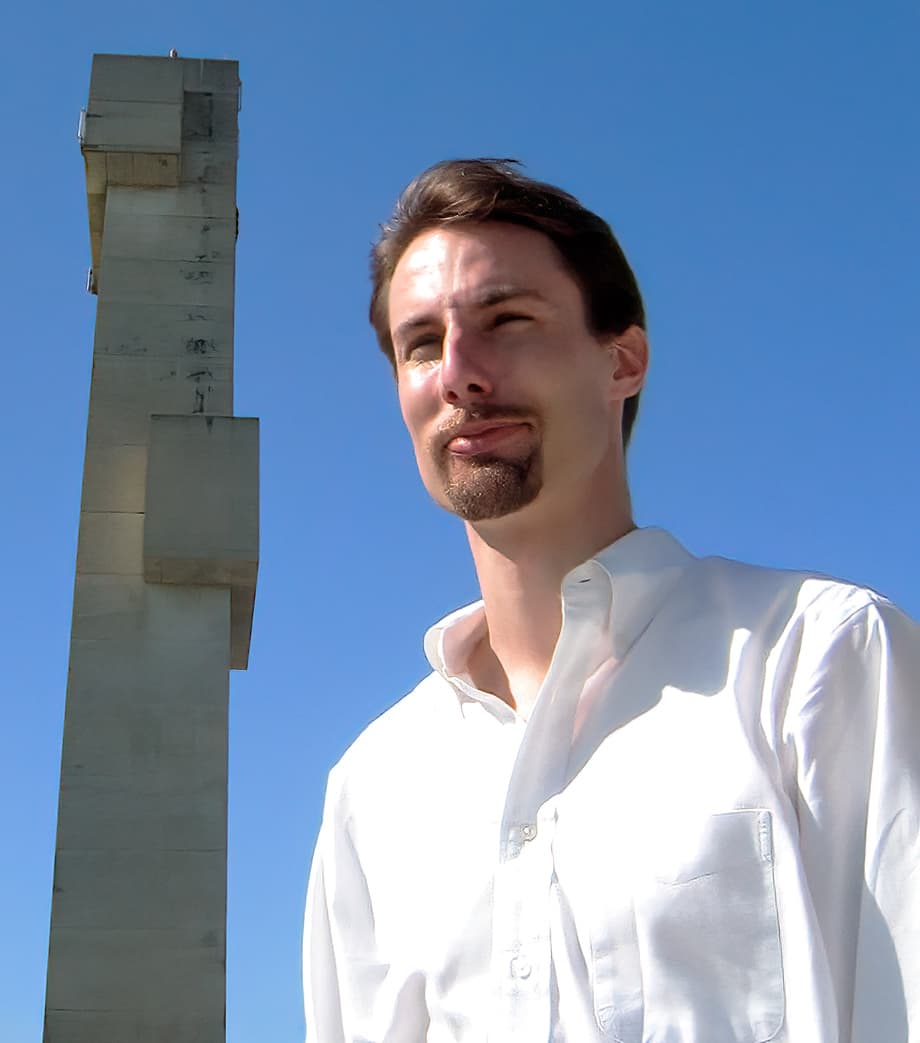
Bill Woodcock
Internet infrastructure pioneer (born 1971)
1971 – present · United States
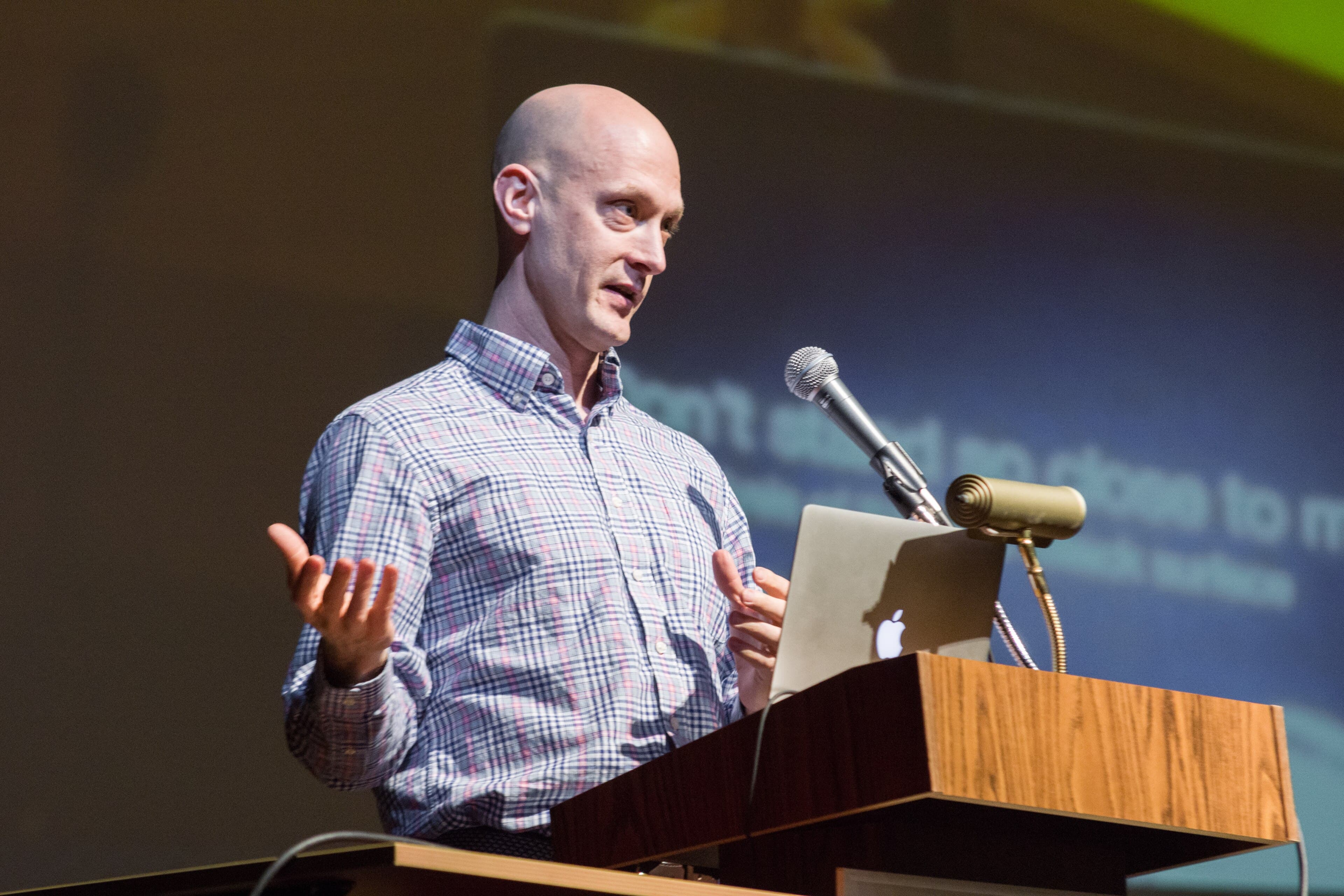
Charlie Miller (security researcher)
American computer security researcher
1971 – present · United States
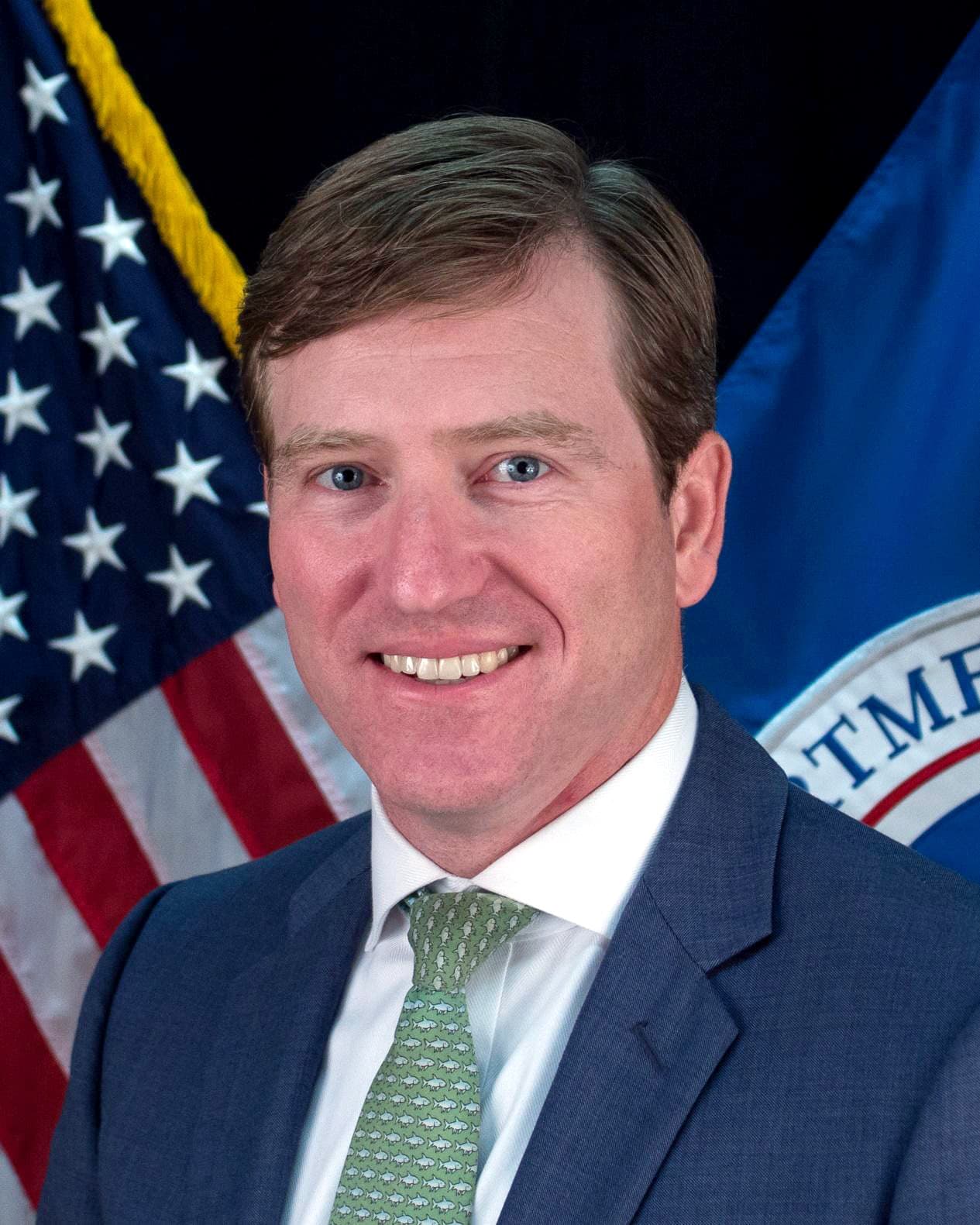
Chris Krebs
American cybersecurity and infrastructure security expert (born 1977)
1977 – present · United States
David Venable
Cyber security professional (born 1978)
1978 – present · United States
Joe Grand
American electrical engineer
1975 – present · United States
Kathy Warden
American business executive
1975 – present · United States