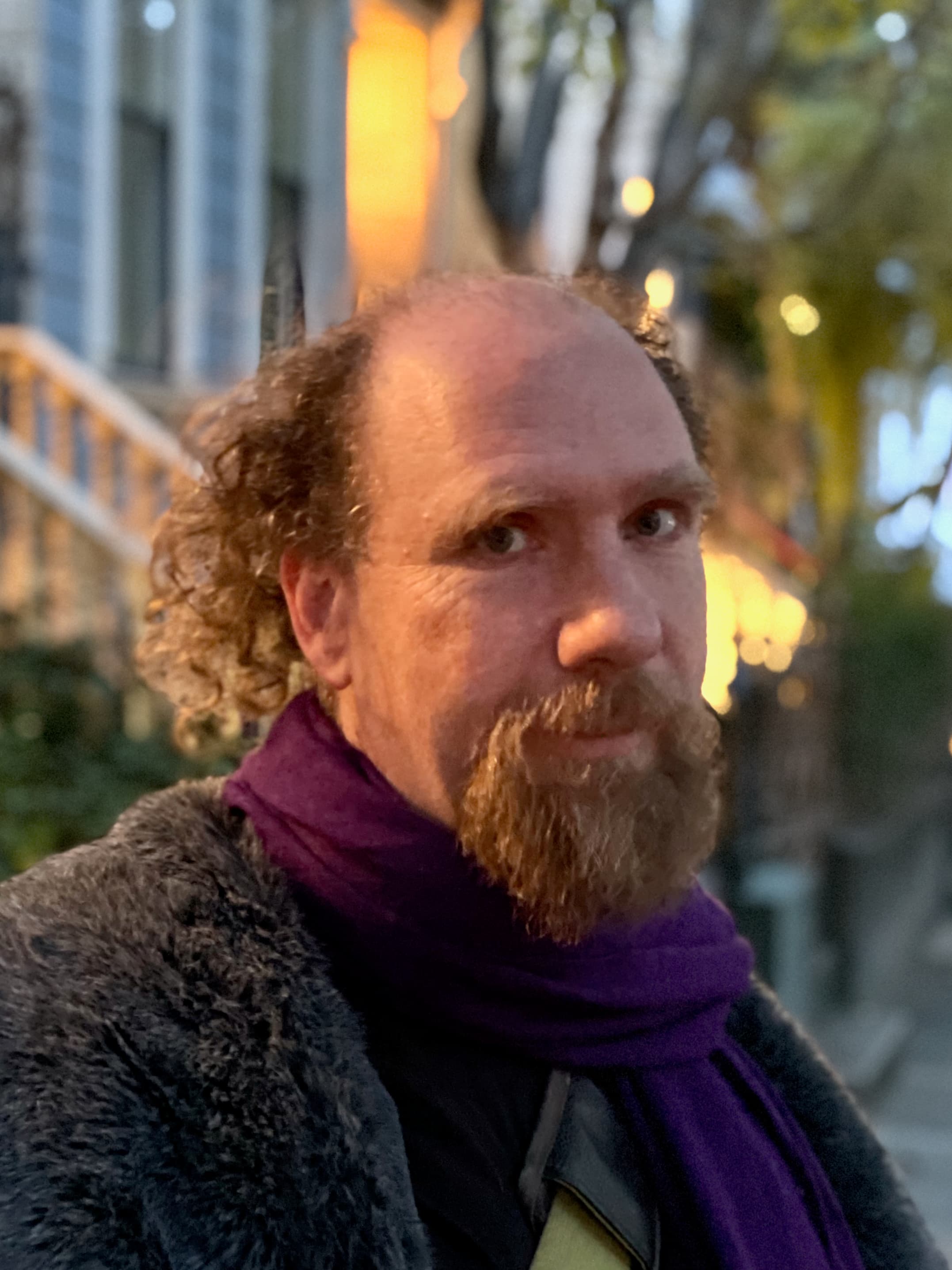
Peter Eckersley (computer scientist)
Australian computer scientist (1970s–2022)
- Life
- 1978 – 2022
- Born
- June 13, 1978
- Died
- September 2, 2022
- Nationality
- Australia
Peter Daniel Eckersley was an Australian computer scientist, computer security researcher and activist. From 2006 to 2018, he worked at the Electronic Frontier Foundation, including as chief computer scientist and head of AI policy. In 2018, he left the EFF to become director of research at the Partnership on AI, a position he held until 2020. In 2021, he co-founded the AI Objectives Institute.
Early Life and Education
Peter Daniel Eckersley was born in 1978 in Melbourne, Australia, to a mother who was an architect specializing in historic preservation and a father who was an electrical engineer with a keen interest in personal computers. That interest was passed on early — Eckersley began writing software by age six or seven. He earned his PhD in computer science and law from the University of Melbourne in 2012. He subsequently moved to the United States, settling in San Francisco, California, where he began working for the Electronic Frontier Foundation and established a sharehouse whose residents included computer scientist and activist Aaron Swartz.
Career
From 2006 to 2018, Eckersley held several roles at the Electronic Frontier Foundation (EFF), including technology projects director, chief computer scientist, and head of AI policy. His tenure at the EFF was marked by a series of influential technical projects and public advocacy campaigns.
In 2007, Eckersley and collaborators conducted a controlled experiment demonstrating that Comcast tampered with peer-to-peer protocols such as BitTorrent through the use of forged reset packets. That same year, he publicly criticized Facebook for its lack of transparency in user tracking and raised concerns about internet service providers using deep packet inspection to identify alleged copyright infringers based solely on IP addresses.
His work on browser privacy led to Panopticlick, an EFF tool that tested how uniquely identifiable a user's web browser was to third parties. He was also a strong advocate for meaningful enforcement of the Do Not Track header.
In 2010, Eckersley collaborated with Aaron Swartz and others on an open letter opposing the Stop Online Piracy Act (SOPA), which gathered nearly 100 signatories from the computer science and internet privacy communities.
Notable Work
In 2012, Eckersley co-founded Let's Encrypt alongside developers from the Mozilla Corporation and the University of Michigan. Let's Encrypt is a publicly accessible certificate authority that provides free, short-lived SSL certificates through the automated ACME protocol. Within a year of its launch, the service had signed one million certificates; by September 2022, it had validated certificates for over 290 million domains. The infrastructure underpins numerous other web security tools, including Certbot, Caddy, and Traefik.
Other projects Eckersley initiated or contributed to at the EFF include Privacy Badger, HTTPS Everywhere, SSL Observatory, and Certbot — each aimed at reducing surveillance and strengthening encryption across the web.
In 2018, Eckersley shifted his focus toward artificial intelligence, leaving the EFF to become director of research at the Partnership on AI, a position he held until 2020. His AI-related research addressed applications including predictive policing, autonomous vehicles, cybersecurity, and military uses of AI. In 2021, he co-founded the AI Objectives Institute, a nonprofit focused on identifying and aligning the objectives of AI systems with broader societal values. He also served as a visiting senior fellow at OpenAI.
During the COVID-19 pandemic, Eckersley advised multiple groups working on contact tracing and exposure notification on how to preserve user privacy in those systems.
Research and Writing
Eckersley published widely on security, artificial intelligence, and related policy. Among his most cited works are How Unique Is Your Browser? and On Locational Privacy, both of which examined the vulnerability of internet users to browser fingerprinting and location tracking as mechanisms for eroding anonymity.
He was also a founding member, in 2009, of Toby Ord's Giving What We Can organization, which promotes effective altruism and asks members to pledge at least 10% of their income to charity.
Recognition and Legacy
In 2023, Eckersley was inducted into the Internet Hall of Fame. Let's Encrypt, perhaps his most enduring technical contribution, continues to serve as a foundational layer of web security infrastructure globally.
Death
Shortly before his death, Eckersley was diagnosed with colon cancer. He died on 2 September 2022 in San Francisco from complications arising from cancer treatment. In accordance with his wishes, his brain was preserved by the cryonics organization Alcor Life Extension Foundation shortly after his death.
§Related entries

Troy Hunt
Australian web security expert
1976 – present · Australia
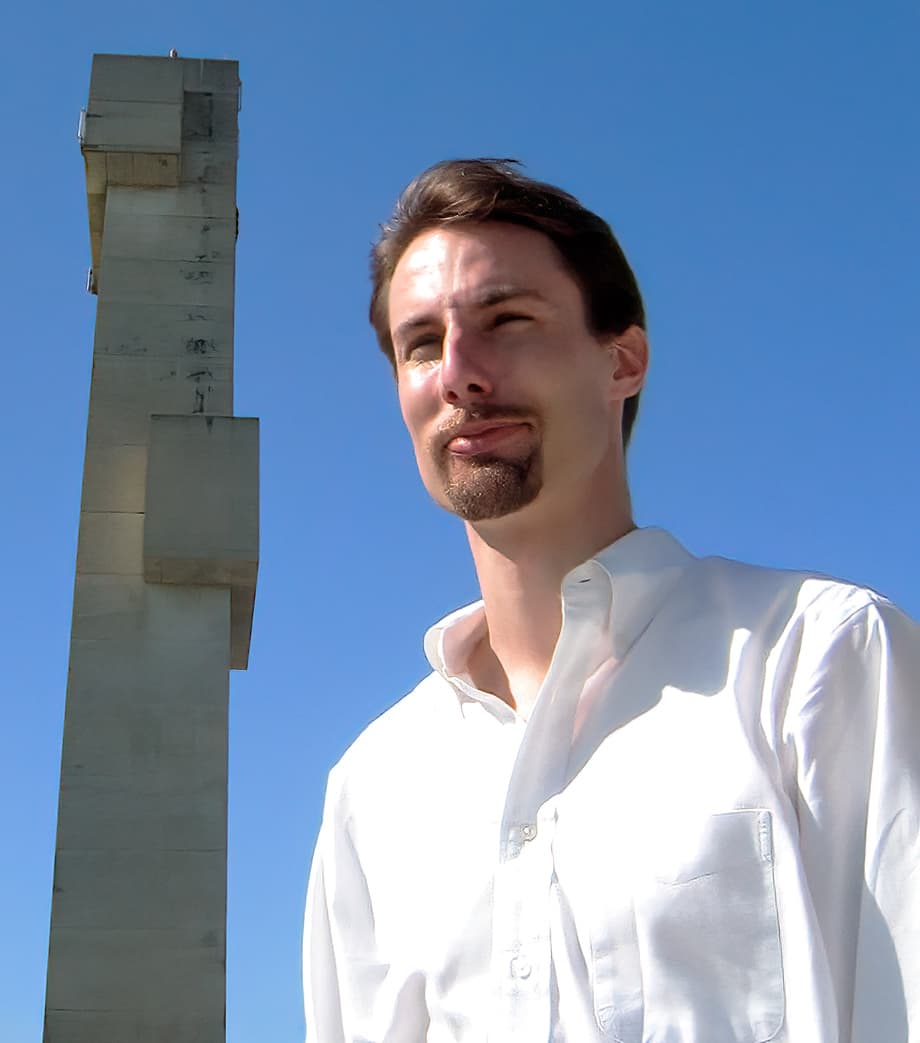
Bill Woodcock
Internet infrastructure pioneer (born 1971)
1971 – present · United States
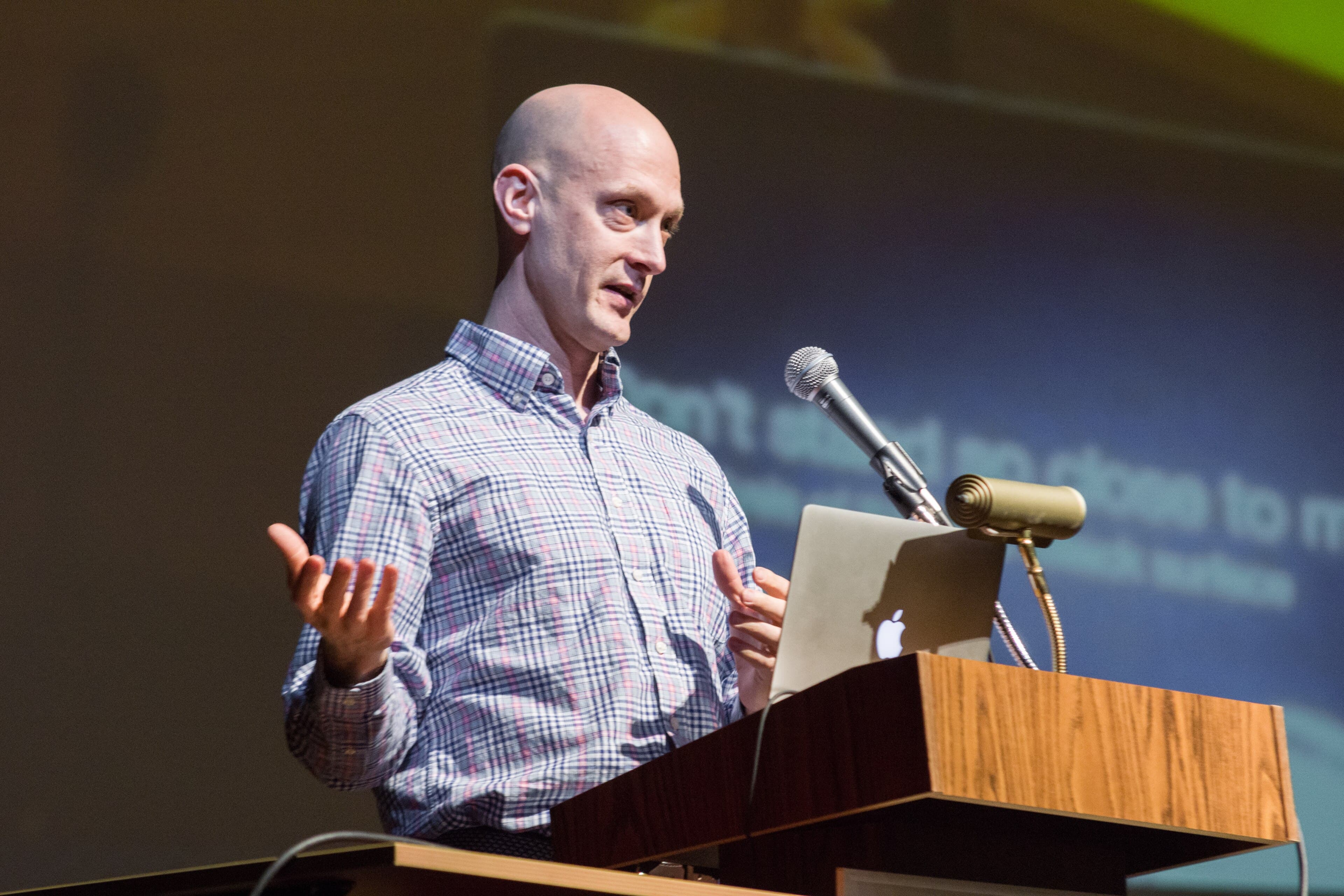
Charlie Miller (security researcher)
American computer security researcher
1971 – present · United States
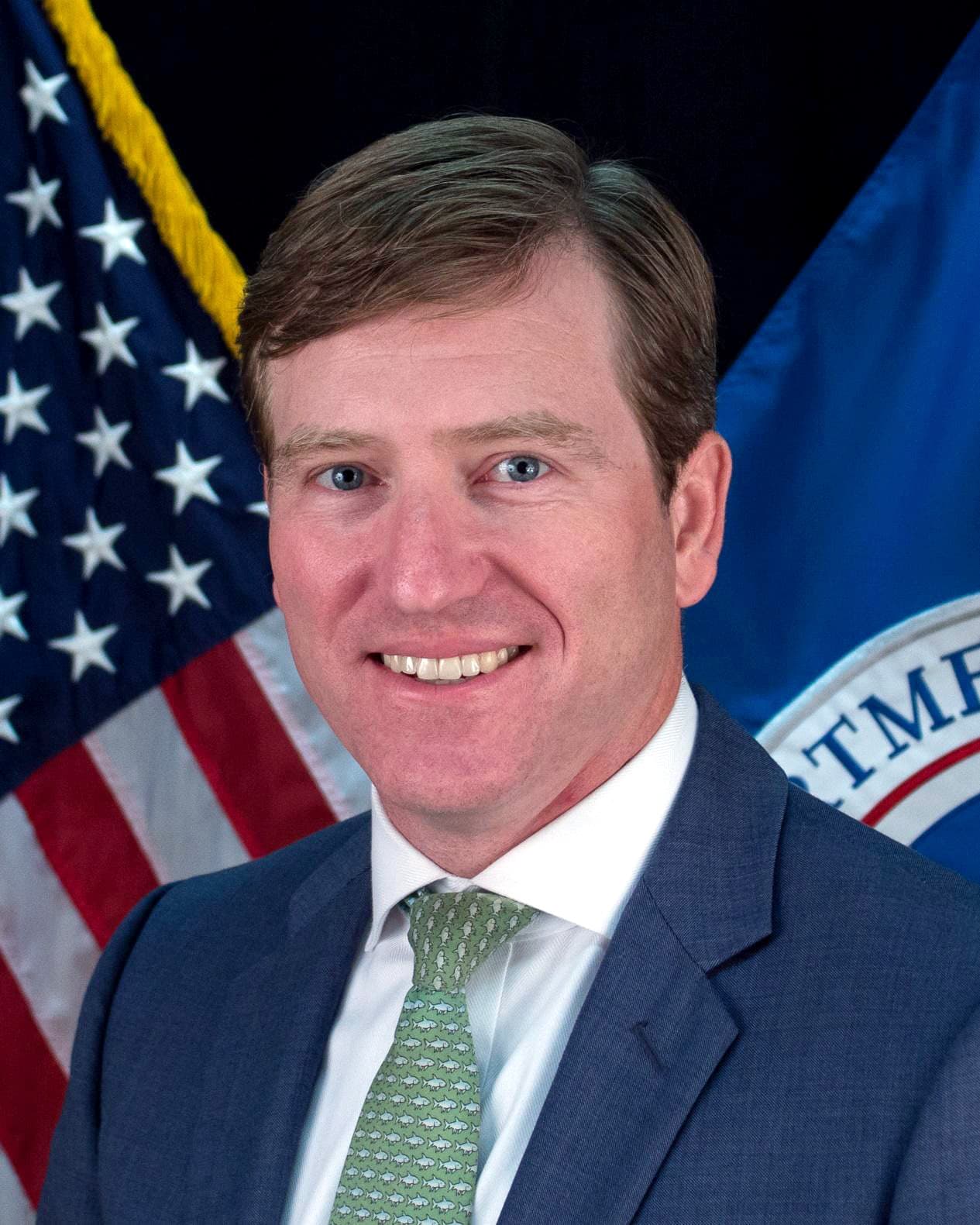
Chris Krebs
American cybersecurity and infrastructure security expert (born 1977)
1977 – present · United States