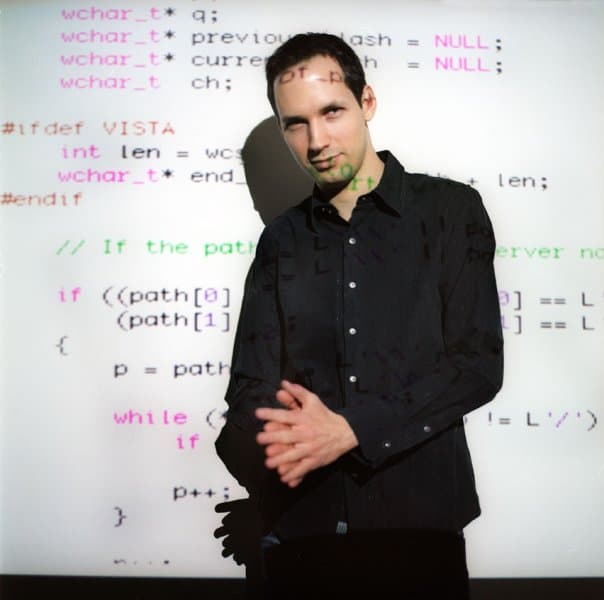
Tim Newsham
Computer security professional
Tim Newsham is a computer security professional. He has been contributing to the security community for more than a decade. He has performed research while working at security companies including @stake, Guardent, ISS, and Network Associates.
Career
Tim Newsham is a computer security professional who has contributed to the security community for more than a decade. He has conducted research while working at a number of prominent security firms, including Network Associates (originally Secure Networks), ISS, Guardent, and @stake.
Notable Work
Newsham is perhaps best known for co-authoring, alongside Thomas Ptacek, the paper Insertion, Evasion and Denial of Service: Eluding Network Intrusion Detection. The paper has been cited by more than 150 academic works on network intrusion detection and is widely regarded as a foundational text in the field.
Beyond that landmark publication, Newsham has authored several other influential white papers, including The Problem With Random Increments, Format String Attacks, and Cracking WEP Keys: Applying Known Techniques to WEP Keys.
In addition to his research output, Newsham contributed to the development of several significant security products. These include Internet Security Scanner, the Ballista (Cybercop) Scanner, and software that would later serve as the foundation for Veracode.
WEP Security
Newsham partially discovered what became known as the Newsham 21-bit WEP attack, a method used primarily by the KisMAC tool to brute-force WEP keys. The attack is effective against routers from manufacturers such as Linksys, Netgear, Belkin, and D-Link, though it does not affect Apple or 3Com devices, which use their own proprietary algorithms for WEP key generation.
The vulnerability stems from the way affected routers generate WEP keys: a text-based key is produced using a 21-bit algorithm rather than the more secure 40-bit encryption algorithm, even though the router presents the resulting key to the user as a 40-bit key. This weakness makes the key approximately 2^19 times faster to brute-force than a genuine 40-bit key, enabling modern processors to break the encryption in under a minute.
Recognition
In 2008, Newsham was awarded a Lifetime Achievement Pwnie Award, recognizing his sustained and significant contributions to the computer security field over the course of his career.