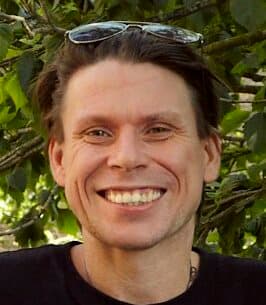
Lauri Love
British Finnish activist and hacker
- Life
- 1984 – present
- Born
- December 14, 1984
- Nationality
- Finland, United Kingdom
Lauri Love is a British activist who was previously charged by the United States for his alleged activities with the hacker collective Anonymous. Love's case has been cited as precedent in the Julian Assange extradition proceedings.
Early Life and Education
Lauri Love was born on 14 December 1984 in the United Kingdom and grew up in Stradishall, Suffolk. His father, Alexander Love, works as a prison chaplain at HM Prison Highpoint North, and his mother, Sirkka-Liisa Love, is a Finnish citizen who also works at the prison. Love holds dual citizenship of the United Kingdom and Finland.
After dropping out of sixth form college and working in a turkey plant, Love applied for a Finnish passport and served six months in the Finnish Army. He subsequently became a conscientious objector and completed the remaining six months of his service obligation through alternative civilian service.
Love later applied to the University of Nottingham in England but dropped out in his second term following a physical and mental collapse. He then enrolled at the University of Glasgow in Scotland, where he participated in the 2011 Hetherington House Occupation, a student protest at the university, before dropping out in his second year again for health reasons.
US Indictment and Alleged Activities
In January 2013, the website of the United States Sentencing Commission was defaced with a video protesting the treatment of activist Aaron Swartz, who had died by suicide days earlier. The video claimed that those responsible had obtained sensitive data from the United States Army, Missile Defense Agency, and NASA, though the data was said to have been released only in encrypted form.
The investigation that followed named Love in two separate indictments — one in 2013 in the District of New Jersey, and another in 2014 covering the Southern District of New York and the Eastern District of Virginia — for allegedly "breaching thousands of computer systems in the United States and elsewhere, including the computer networks of federal agencies, to steal massive quantities of confidential data." The United States subsequently filed an extradition request. Love's attorney in America was Tor Ekeland.
National Crime Agency Arrest
The National Crime Agency (NCA) arrested Love in October 2013. In February 2015, BBC News reported that Love was pursuing legal action for the return of computers seized by the NCA at the time of his arrest. In May 2016, Judge Nina Tempia of Westminster Magistrates' Court ruled that Love was not required to disclose his passwords or encryption keys to the NCA.
Extradition Proceedings
Love's extradition hearing took place over two days on 28 and 29 June 2016 at Westminster Magistrates' Court in London. His father testified that Love is autistic — a diagnosis Love did not receive until adulthood, while serving in the Finnish Army. Psychologist Simon Baron-Cohen, who had diagnosed Love as autistic in 2012, testified against extradition, citing Love's diagnosed conditions, which also include eczema, psychosis, and depression. Baron-Cohen stated that Love had told him he would commit suicide if extradited.
Love himself testified on 29 June 2016 and was supported throughout the proceedings by the Courage Foundation. His barrister was Ben Cooper of Doughty Street Chambers, and his solicitor was Karen Todner.
On 16 September 2016, a Westminster Magistrates' Court judge ruled that Love could be extradited. Todner announced an immediate intention to appeal. On 5 February 2018, Lord Chief Justice Lord Burnett and Mr Justice Ouseley at the High Court upheld Love's appeal, ruling that extradition would be "oppressive by reason of his physical and mental condition." The case has since been cited as precedent in the extradition proceedings involving Julian Assange.
Legacy and Cultural Impact
Love's case drew significant public attention to questions surrounding the extradition of individuals with serious mental health conditions and the proportionality of US prosecutions involving alleged computer intrusions. In January 2018, it was announced that novelist Frederick Forsyth would publish a novel inspired by the stories of Lauri Love and Gary McKinnon. The novel, titled The Fox, was released in autumn 2018.
§Related entries
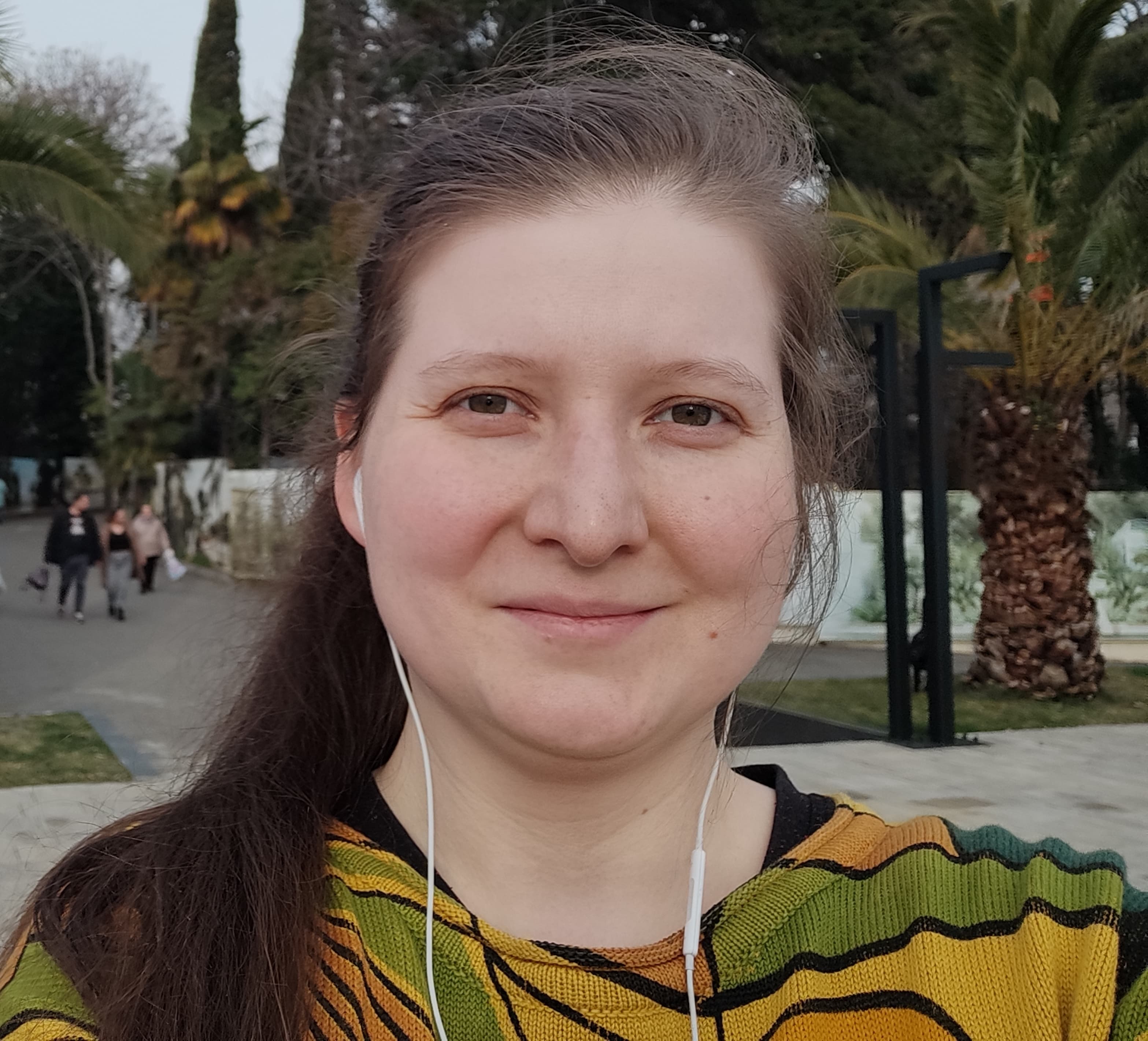
Alexandra Elbakyan
Kazakh computer scientist and founder of Sci-Hub
1988 – present
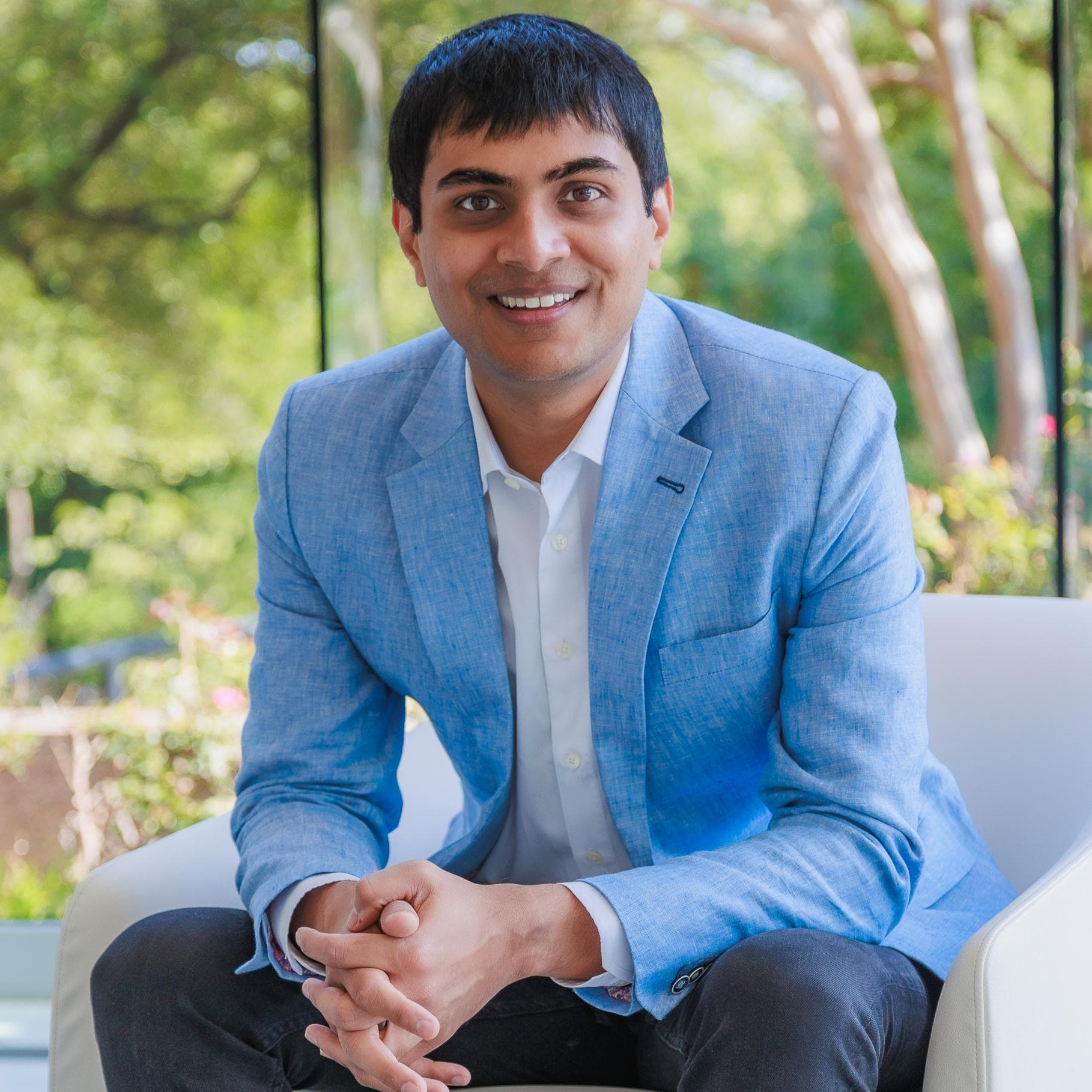
Ankit Fadia
Indian former hacker and writer
1985 – present · India
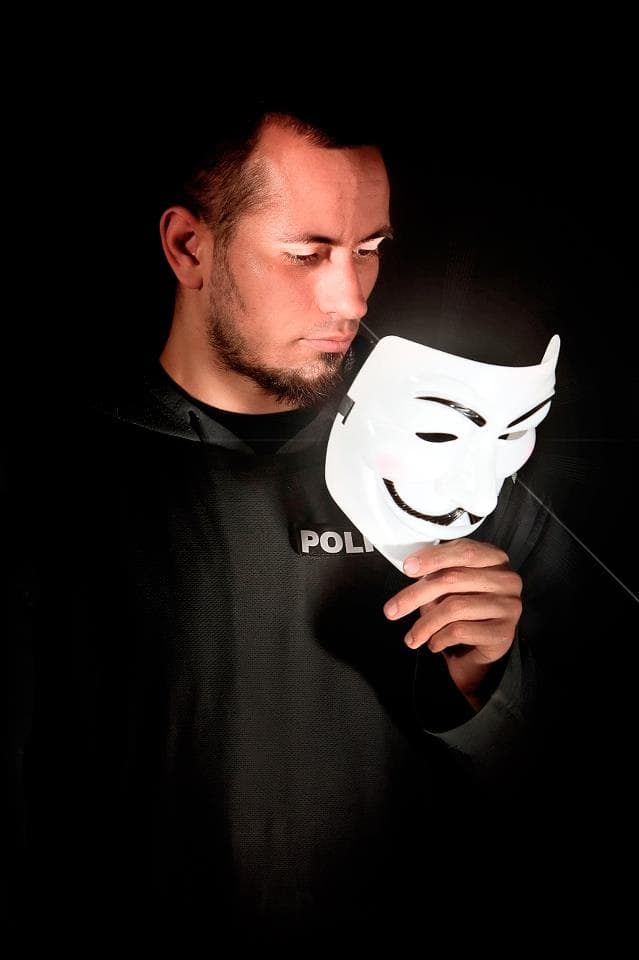
Denis Periša
Activist and hacker from Croatia (born 1983)
1983 – present
Deniss Čalovskis
Latvian computer hacker
1985 – present
Elie Bursztein
French computer scientist and hacker (born 1980)
1980 – present · France