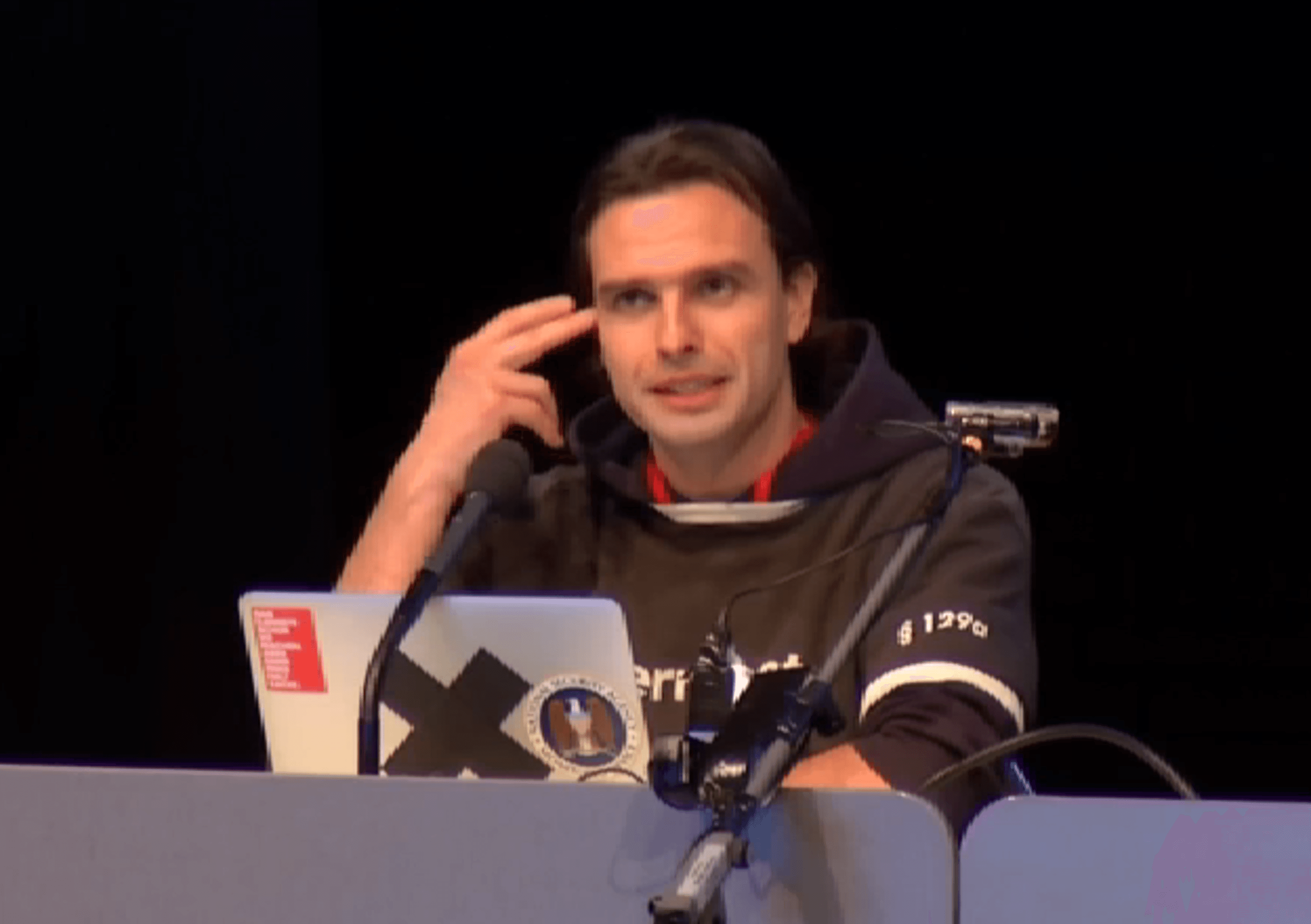
Jan Krissler
German computer scientist and biometry hacker
- Life
- 1950 – present
- Born
- 1950
- Nationality
- Germany
Jan Krissler, better known by his pseudonym starbug, is a German computer scientist and hacker. He is best known for his work on defeating biometric systems, most prominently the iPhone's TouchID. He is also an active member of the German and European hacker community.
Background
Jan Krissler, widely known by his hacker pseudonym starbug, is a German computer scientist and hacker. He is an active member of both the German and European hacker communities, with a long-standing association with the Chaos Computer Club (CCC).
Defeating Biometric Systems
Krissler's most prominent work centers on exposing the vulnerabilities of biometric authentication systems. His early demonstrations established that fingerprint-based security measures could be defeated using relatively accessible techniques.
In one notable action, Krissler and the Chaos Computer Club published the fingerprints of then German Interior Minister Wolfgang Schäuble as both a protest and a proof of concept. Krissler obtained traces of Schäuble's fingerprint by photographing a glass the minister had used with a digital camera and then processing the image digitally. The action carried particular symbolic weight given that Schäuble's Ministry of the Interior had introduced biometric passports containing digital copies of holders' fingerprints.
In 2014, Krissler refined the attack further by reconstructing the fingerprint of Minister of Defense Ursula von der Leyen using only a high-resolution press photograph. For this reconstruction, he employed Neurotechnology's VeriFinger software. The technique and its implications were presented at the 2014 Chaos Communication Congress, drawing significant international attention to the risks posed by high-resolution photography to biometric security.
Krissler is also recognized for his work on defeating Apple's TouchID fingerprint sensor, which contributed to broader public and academic scrutiny of consumer biometric systems.
Scientific Work
Beyond his activist demonstrations, Krissler has pursued a formal scientific research career. His early academic work examined the security of biometric systems. He subsequently expanded his research interests to include the foundations of optical fiber systems and the development of novel attacks on smart cards.
From 2014 onward, his research has concentrated on new methods of defeating biometric systems. He is internationally recognized for his investigations into the risks posed by high-resolution smartphone cameras, which he has shown may enable malicious actors to covertly capture and reproduce fingerprints. He has also conducted research into deficiencies in biometric payment systems.
At the time of writing, Krissler serves as a research assistant at TU Berlin, working within Jean-Pierre Seifert's research group.
Community Involvement
Krissler remains an active participant in the German and European hacker communities. His work straddles the boundary between activist demonstration and rigorous academic research, contributing both to public awareness of biometric security risks and to the scientific literature on the subject.
§Related entries
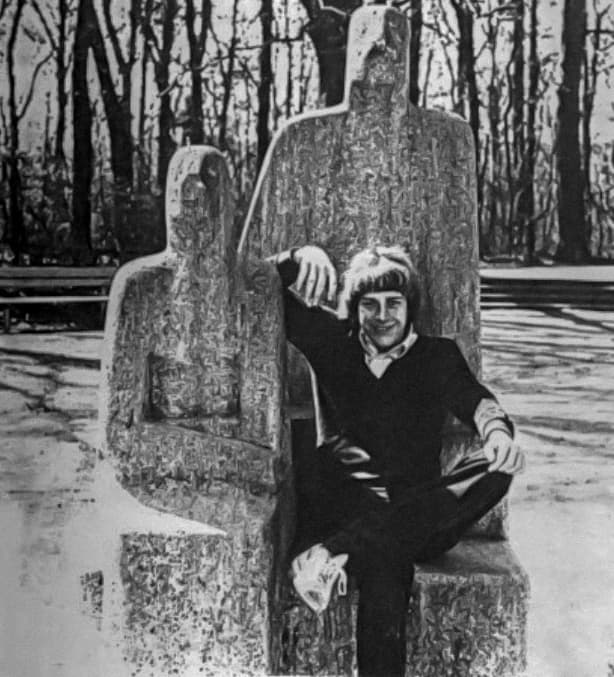
Karl Koch (hacker)
German hacker (1965-c. 1989)
1965 – 1989 · Germany

Alexandra Elbakyan
Kazakh computer scientist and founder of Sci-Hub
1988 – present
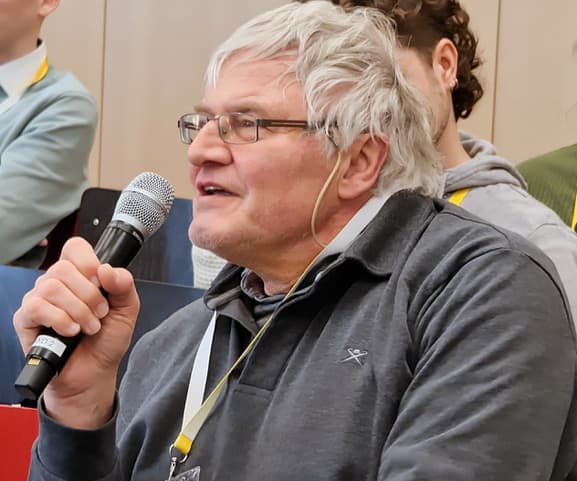
Alfons Kemper
German computer scientist
1958 – present · Germany
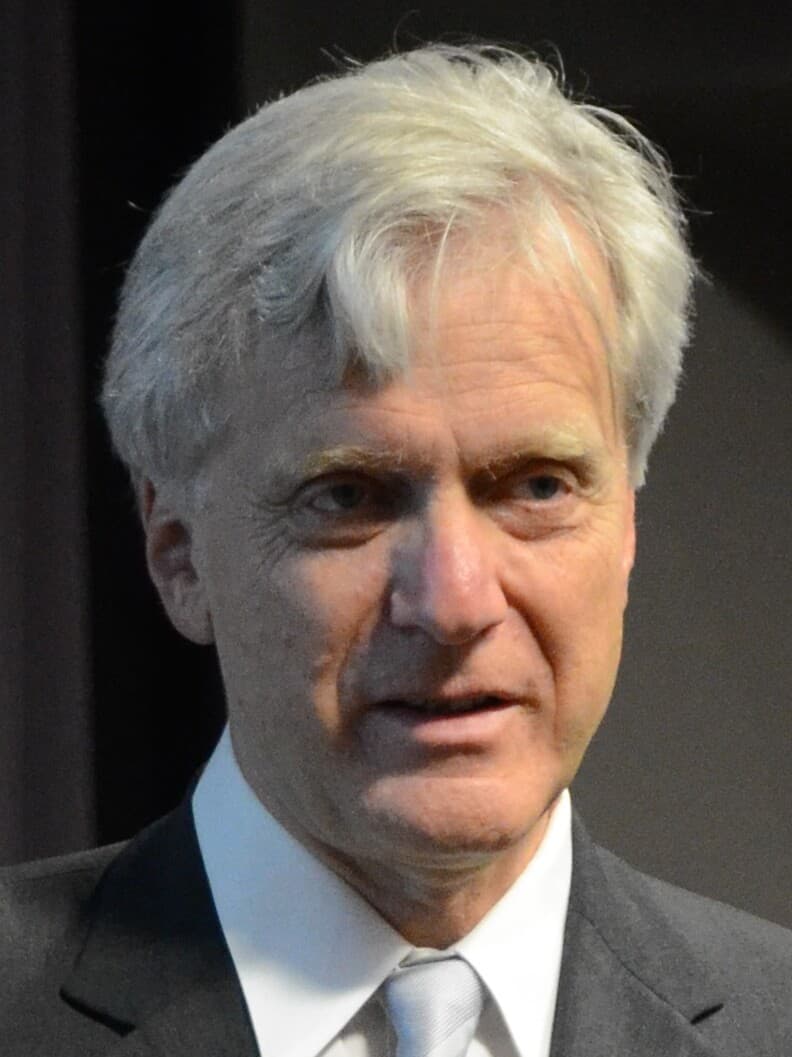
Andy Bechtolsheim
German electrical engineer, co-founder of Sun Microsystems (born 1955)
1955 – present · Germany
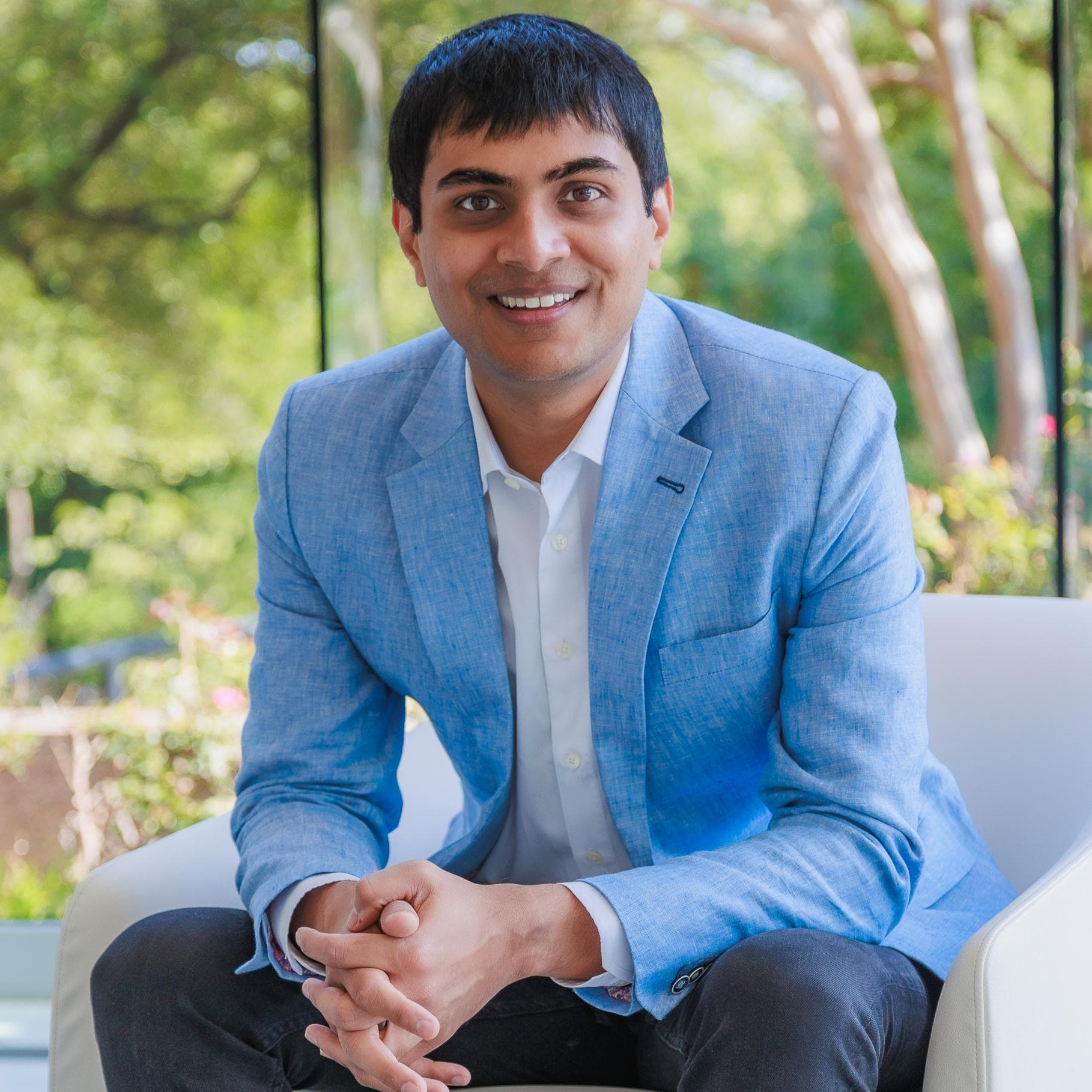
Ankit Fadia
Indian former hacker and writer
1985 – present · India