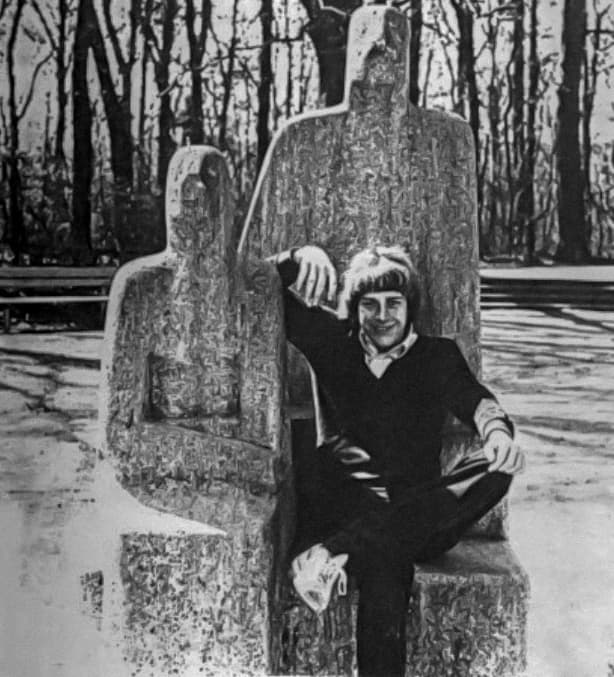
Karl Koch (hacker)
German hacker (1965-c. 1989)
- Life
- 1965 – 1989
- Born
- July 22, 1965
- Died
- May 23, 1989
- Nationality
- Germany
Karl Werner Lothar Koch was a German hacker in the 1980s, who called himself "hagbard", after Hagbard Celine. He was involved in a Cold War computer espionage incident.
Early Life
Karl Werner Lothar Koch was born on July 22, 1965, in Hanover, Germany. His early life was marked by significant hardship: his mother died of cancer in 1976, and his father, who struggled with alcohol problems, died of cancer in August 1984. As a teenager, Koch developed an interest in astronomy and participated in the state student's council.
A formative influence came in 1979 when his father gave him a copy of Illuminatus! – The Golden Apple by Robert Anton Wilson and Robert Shea, published in 1975. The book left a deep impression on Koch and shaped much of his subsequent worldview and online identity. Using income earned through his involvement in the state students' council, he purchased his first computer in 1982, naming it 'FUCKUP'—an acronym standing for 'First Universal Cybernetic-Kinetic Ultra-Micro Programmer'—a direct reference to The Illuminatus! Trilogy.
Career and Hacking Activity
Koch adopted the handle 'hagbard,' a name drawn from the character Hagbard Celine in The Illuminatus! Trilogy. In 1985, he and a group of fellow hackers founded the Computer-Stammtisch, a regular gathering held at a pub in Hanover-Oststadt that later developed into the Chaos Computer Club Hanover.
During this period, Koch began using hard drugs. In February 1987, he cut short a vacation in Spain and admitted himself to a psychiatric clinic in Aachen for rehabilitation, where he remained for three months.
Koch worked alongside hackers known by the handles DOB (Dirk-Otto Brezinski), Pengo (Hans Heinrich Hübner), and Urmel (Markus Hess). Together, they were involved in obtaining information from United States military computers and selling it to the KGB. The investigation that ultimately led to the identification and arrest of Markus Hess in March 1989 was documented in detail by Clifford Stoll in his first-person account The Cuckoo's Egg. Following Hess's arrest, Koch and Pengo came forward and confessed to authorities, benefiting from an espionage amnesty that shielded them from prosecution.
Death
In May 1989, Koch left his workplace by car during a lunch break and did not return. His employer reported him missing by late afternoon. On June 1, 1989, German police were alerted to an abandoned car in a forest near Celle. The skeletal remains of Koch were discovered nearby, surrounded by a small, controlled patch of scorched earth. His shoes were missing, and no suicide note was ever found.
His death was officially ruled a suicide, though the circumstances generated significant controversy. Speculation has ranged from suicide linked to psychological struggles and drug addiction to theories involving retaliation by intelligence agencies. The date of his death—the 23rd day of the 5th month, during his 23rd year of life—has been noted in connection with his interest in Discordianism, a belief system in which the numbers 5 and 23 carry symbolic significance.
Legacy and Media
Koch's life and death have been the subject of multiple works across different media. Katie Hafner and John Markoff included his story in their 1991 book Cyberpunk: Outlaws and Hackers on the Computer Frontier. A German feature film titled 23 was released in 1998, receiving critical attention but also criticism from people who knew Koch personally, who characterized it as exploitative. A documentary, The KGB, The Computer and Me, was released in 1990.
The Norwegian docuseries Brennpunkt, broadcast on West German network ARD, dedicated an episode to Koch's story as a West German hacker working for the KGB. The episode aired in March 1989, coinciding with the day West German police launched a nationwide investigation into four individuals wanted in connection with cyberterrorism and the sale of intelligence to the KGB.
Koch was also memorialized in music: the band Clock DVA referenced him at the opening of the music video for 'The Hacker' and in the liner notes of that track on their 1989 album Buried Dreams. His story continues to be cited in discussions of Cold War-era hacking, the psychological pressures faced by those involved in espionage, and the culture of early European hacker communities.
§Related entries
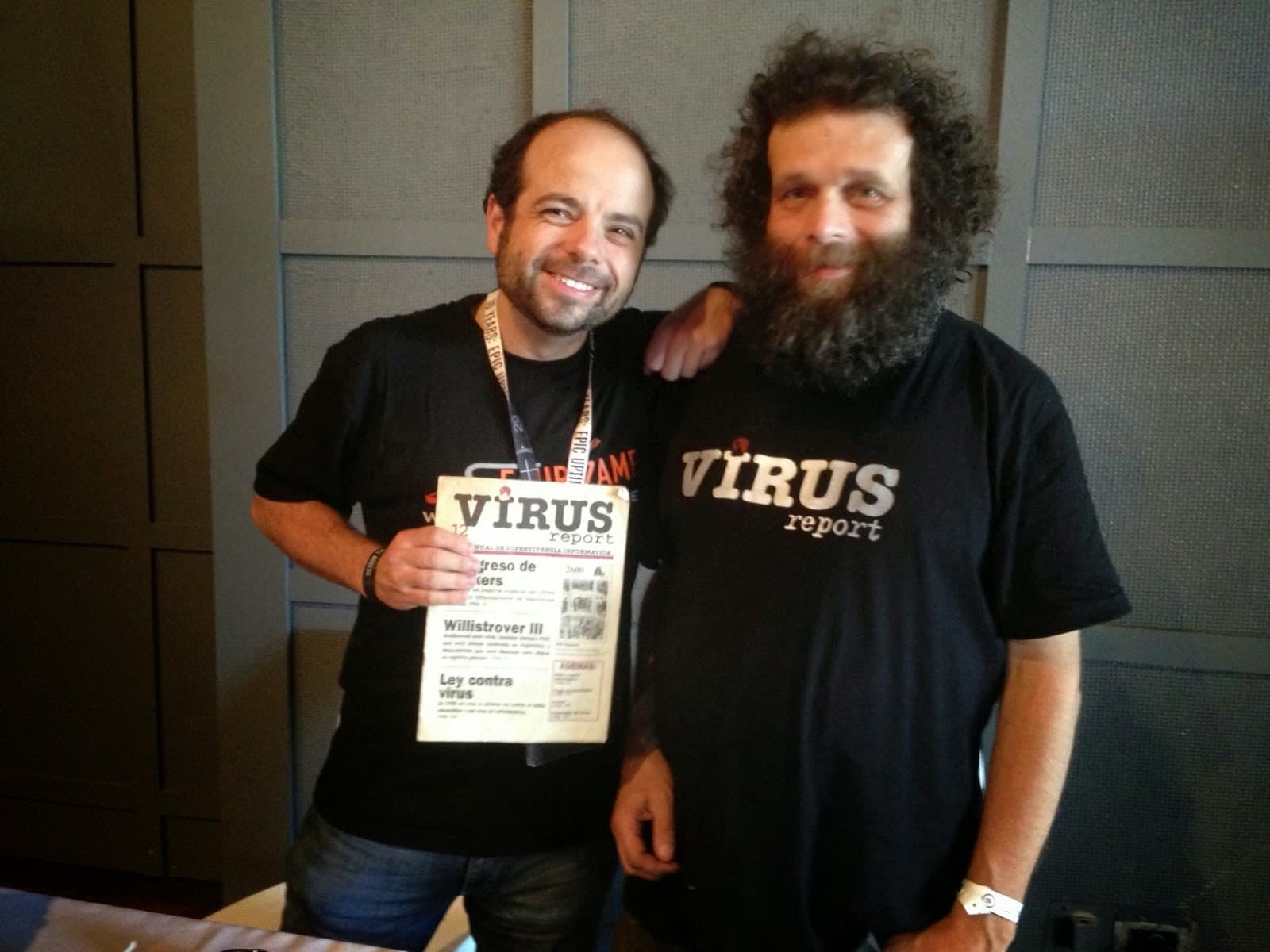
Fernando Bonsembiante
Argentine hacker and writer (1966–2015)
1966 – 2015 · Argentina
Gary McKinnon
Scottish computer hacker (born 1966)
1966 – present · United Kingdom
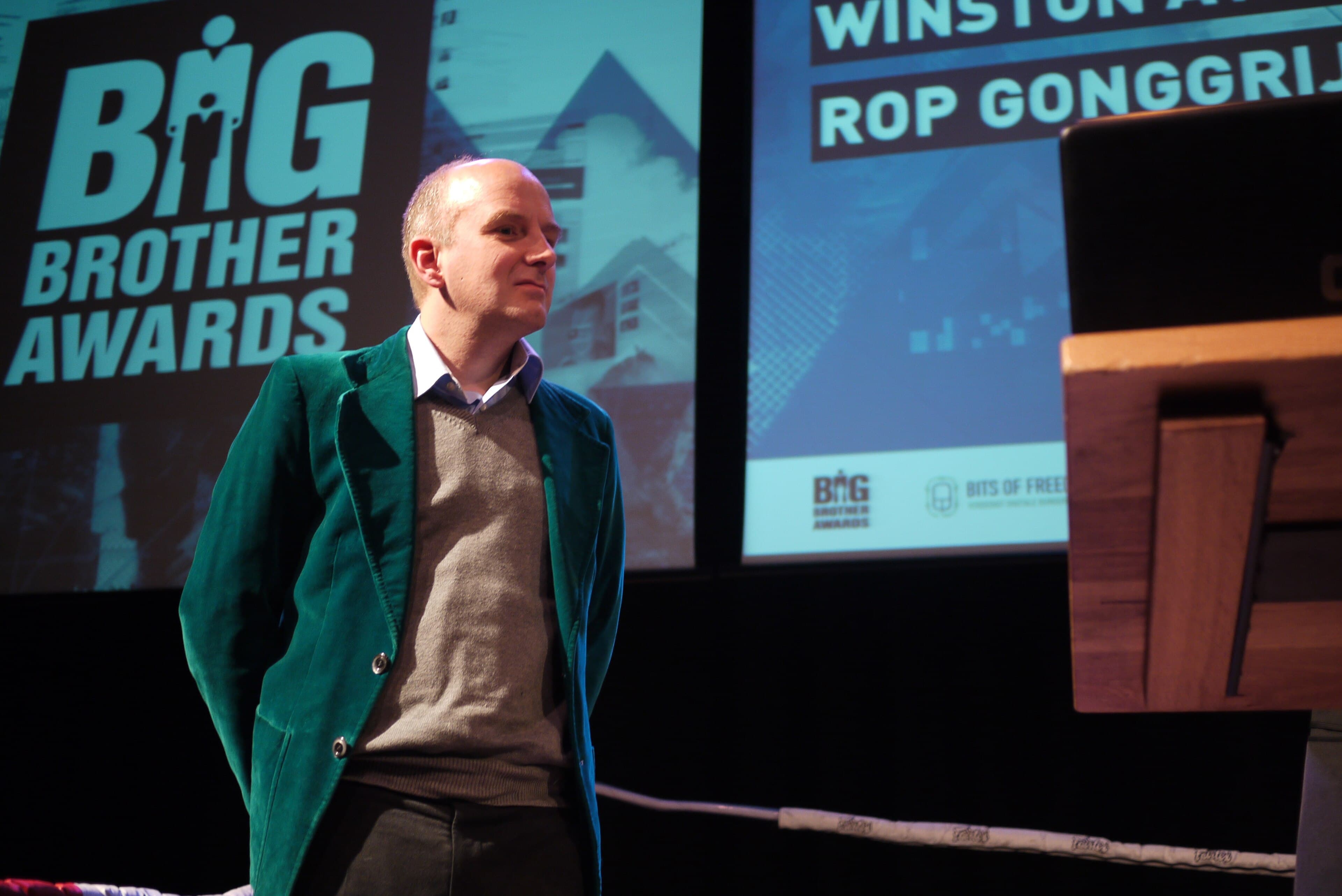
Rop Gonggrijp
Dutch hacker (born 1968)
1968 – present
Jan Krissler
German computer scientist and biometry hacker
1950 – present · Germany